After years of viral “Karen moments,” the internet appears to be officially retiring one of its most infamous labels, and Gen Z is already whispering a replacement.
According to social media discourse, the new name carries the same energy but belongs to a different generation altogether. While “Karen” was once reserved for middle-aged Baby Boomer women, Gen Z claims the stereotype has evolved, and so has the name attached to it.
Coincidentally, the new name dominated baby-name charts throughout the late 1980s and early 1990s, making it easily recognizable and meme-ready.
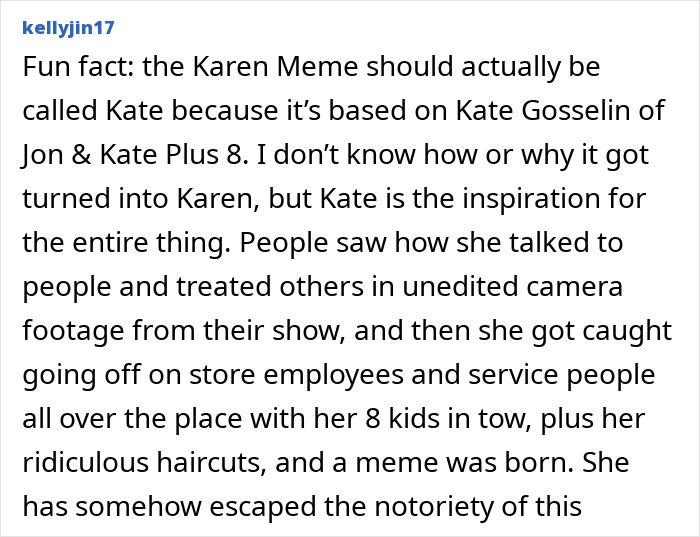
“Karen” began circulating online in 2018 and became shorthand for entitlement caught on camera
The term “Karen” first gained traction around 2018, largely through viral clips shared by people and service workers on social media platforms.
Initially, it was used to describe a middle-aged white woman who weaponized entitlement, demanded special treatment, and often escalated minor inconveniences into public spectacles.
Classic “Karen” behaviors included berating retail workers, calling the police over trivial disputes, insisting on speaking to managers, or being racist towards strangers, telling them they don’t “belong” in the country.

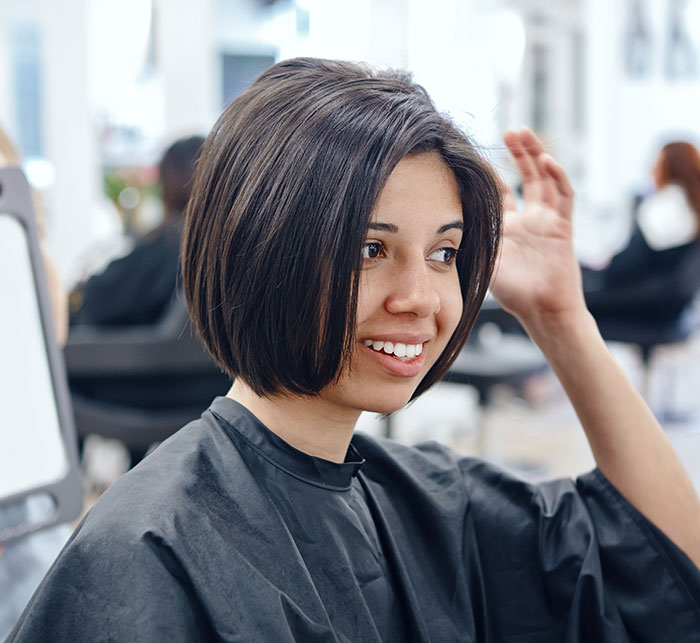
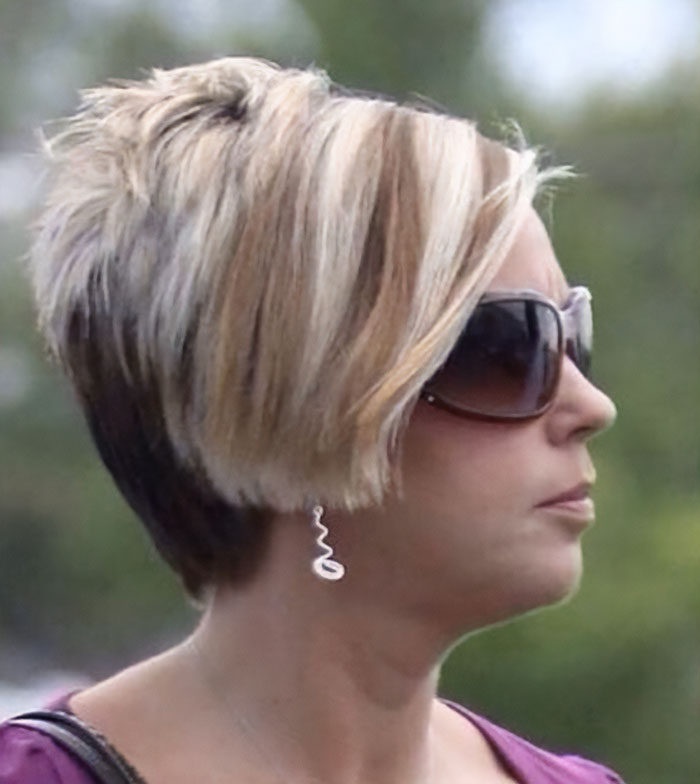
Furthermore, the stereotype was visually codified by the sharp, inverted bob haircut popularized by reality TV.
Between 2019 and 2020, the term exploded alongside the rise of what was referred to as the “OK Boomer” culture.
At the time, Boomers were being widely criticized for economic inequality, housing shortages, and hoarding opportunities while at the same time complaining about the younger generations as being “lazy” and “whiny.”
According to Lord Willetts, chair of the Resolution Foundation thinktank, “The charge is that the boomers have been guilty of a monumental failure to protect the interests of future generations.”
As a result, “Karen” became the personification of that resentment.
However, as the meme gained popularity, its meaning became increasingly unclear. What once described racist or abusive behavior slowly transformed into a catch-all insult used against any woman who complained publicly or set boundaries.
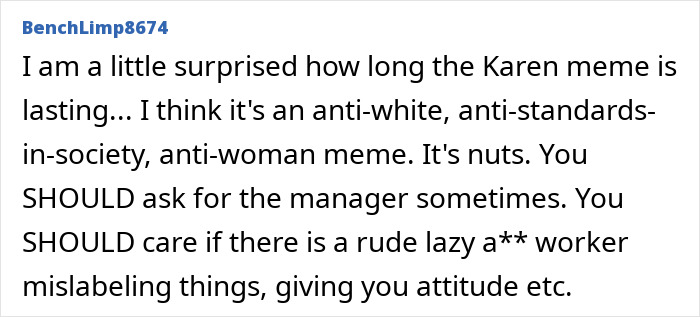
By 2021, critics began arguing that “Karen” had become ageist, se*ist, and increasingly detached from its original purpose.
Gen Z declared a new name as the millennial version of “Karen”
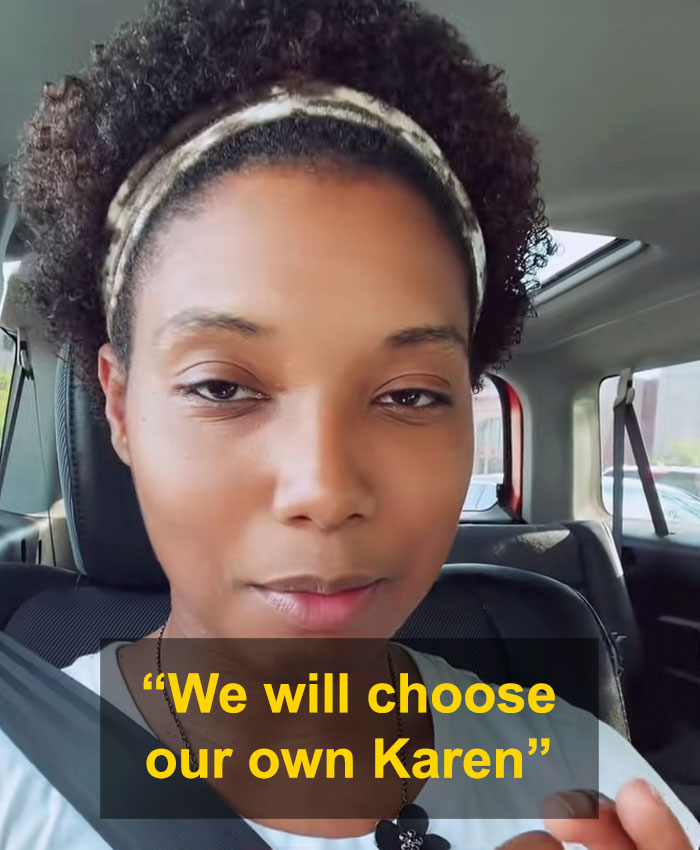
Rather than abandoning the concept altogether, Gen Z updated the branding.
Across social media platforms, one particular name kept popping up: Jessica.
The name in question has apparently positioned itself as the millennial equivalent of Karen’s Gen X prevalence.
Also, online users claimed Millennials rarely explode publicly the way classic Karens did, instead opting for viral posts, Instagram story call-outs, and strongly worded emails.
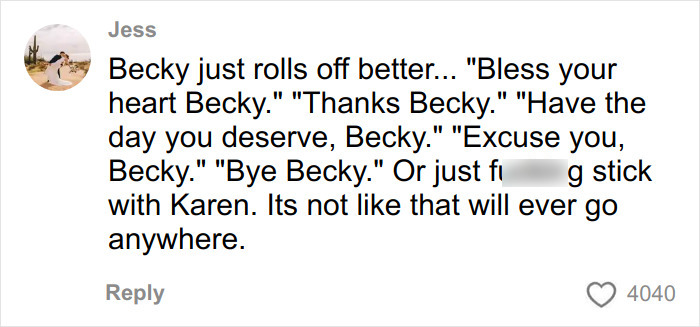
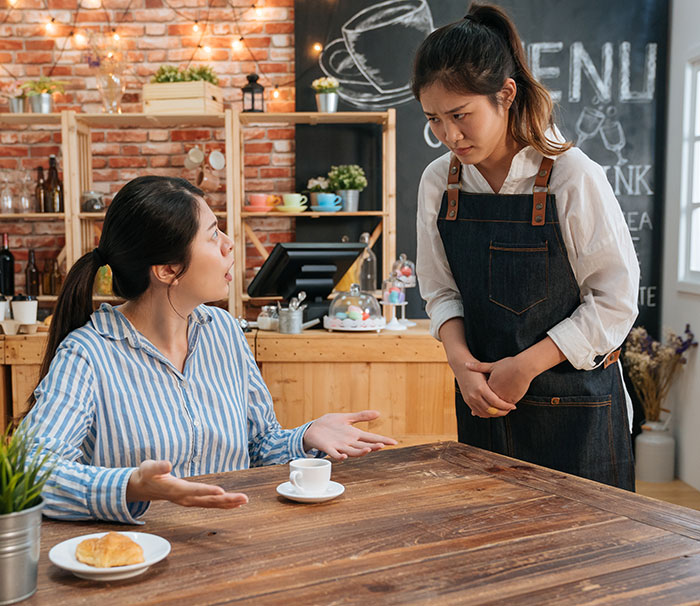
According to data from the US Social Security Administration agency, Jessica was among the most popular names – even landing at nº1 – for girls for nearly two decades (1982–1997), aligning perfectly with the millennial birth window.
The need to rename “Karens” gained momentum as viral clips began featuring younger women exhibiting the same rude and entitled behavior across platforms like TikTok and X.
Interestingly, these women didn’t fit the original stereotype of the Baby Boomer bob-cut archetype, but the conduct was unmistakably familiar.
As the behavior evolved, the label did too, creating a push for a new name to reflect a new generation.
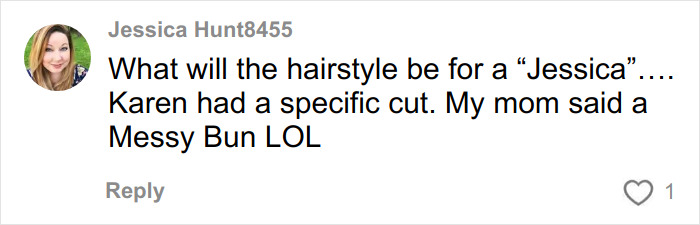
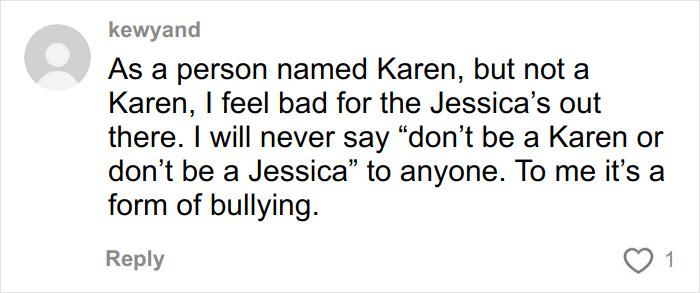
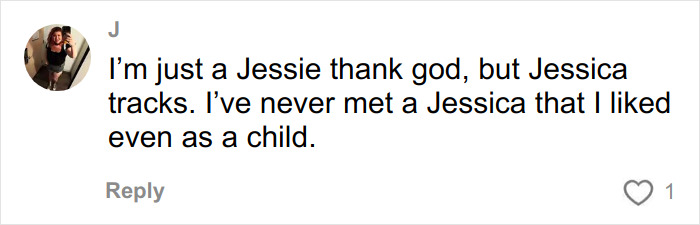
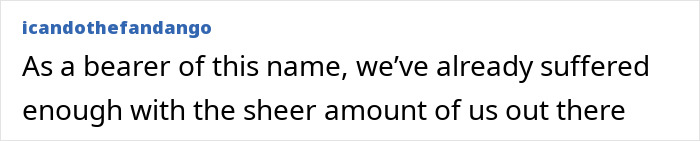
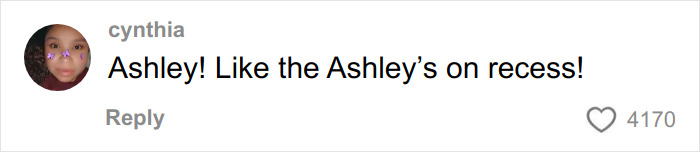
Gen Z users debated several names before agreeing on “Jessica,” even then, not all were conviced
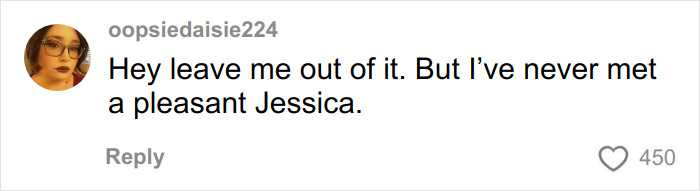
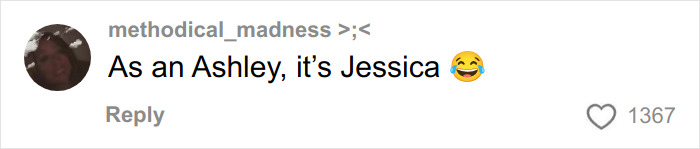
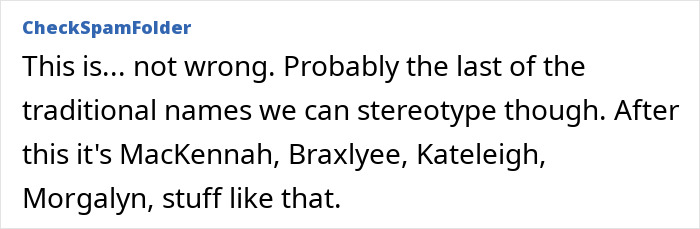
One said, “This is… not wrong. Probably the last of the traditional names we can stereotype, though. After this it’s MacKennah, Braxlyee, Kateleigh, Morgalyn, s*it like that.”
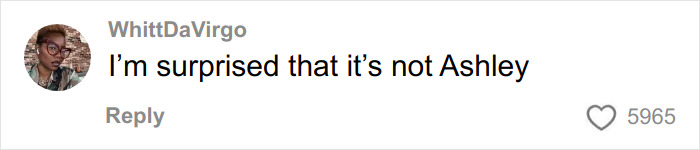
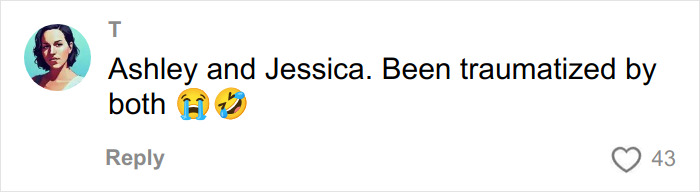
Another added, “Ashley and this name. Been traumatized by both.”
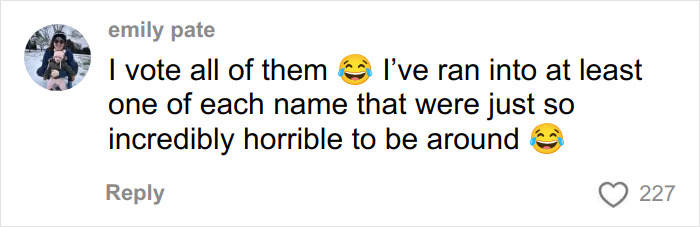
A third bluntly declared, “Haven’t met one that doesn’t fit.”
Some simply suggested more names as one wrote, “Morgalyn is the best name I have ever heard.”

Others pointed out that Millennials were being unfairly roped in alongside Gen X women.
“Jennifer was popular for the first three years of the Millennials, but its popularity was highest during the birth years of Gen X. It reigned from 1970-1984.”
Even though the “Karen” label faded, 2025 was still full of “Karen moments”
Despite fatigue with the term itself, 2025 has proven that the behavior still exists.
From racist tirades at sporting events and airport meltdowns to parking-lot standoffs, several viral clips continued to dominate feeds.
For instance, in January 2025, a woman in Toledo went viral after exiting her blue sedan to shout profanities at another driver.

@erindieheart #millennialsoftiktok #karen #fyp #yourpage #foryou #4yp #millennial #foryou ♬ original sound – Erin Dieheart
Another incident was reported in September 2025, where a woman named Cairny aggressively demanded a home run ball be given to her after the father of a 10-year-old boy caught it during a Philadelphia Phillies vs. Miami Marlins game.
For now, “Karen” may be fading into meme history, but the behavior and the internet’s obsession for naming it isn’t going anywhere.
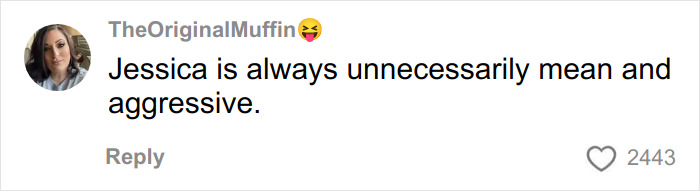
“Jessica is always unnecessarily mean and aggressive,” said one netizen