
With increasing temperatures and no sign of them going away over the next few years, it's time for us to adapt how we manage our gardens during the summer months.
With incoming heatwaves, we've spoken to our gardening experts to find out what tips and tricks they can pass to us so we can keep our much-loved outdoor spaces thriving.
We have seven great tips to keep the next heatwave as stress-free as possible for you and your garden.
1. Water deeply, but less often
'One of the biggest mistakes I see is people watering little and often,' says Liam Cleary, gardening expert at the Old Railway Line Garden Centre. 'It feels like you're helping the plants, but you're really only wetting the surface. A proper deep soak every few days encourages roots to grow down into cooler soil where moisture lasts much longer.'
'When a heatwave hits, the main thing gardeners rely on is watering deeply and less often, so the moisture gets right down to the roots,' agrees Julian Palphramand, head of plants at British Garden Centres. 'A quick splash on the surface just disappears far too fast.'
When doing your deep watering, use a hose head that provides a heavy yet soft rain feel; we like Amazon's Dramm 14865 one-touch rain wand with one-touch valve, 16 inch in blue, £42.05. It hydrates without disturbing the soil.
2. Timing
Timing is everything when you are keeping your plants hydrated during a heatwave. 'Early morning or evening watering is always best, when there’s less evaporation, and plants can actually make use of it, says Julian.
And it also pays to watch your plants closely for signs, rather than overwater them. 'When your plants genuinely tell you they need a drink (look for crispy or brown edges that don't recover at night), water more deeply and infrequently. Pour water at the base of the plant, let it completely soak into the ground, and then go over it a second time. This encourages the water to penetrate deep into the water table, training the roots to grow downward where the soil stays naturally cooler and damper,' advises Noah Mabey, senior gardener at Thornbridge Hall and horticultural advisor to Platinum Spas.
To help you decide when to water instead of guessing, invest in a moisture tester; we like B&Q's plant hygrometer for indoor/outdoor gardening, £11.59. All you need to do is pop the probe into the soil, and it will tell you its moisture level.
3. Harvest the rain
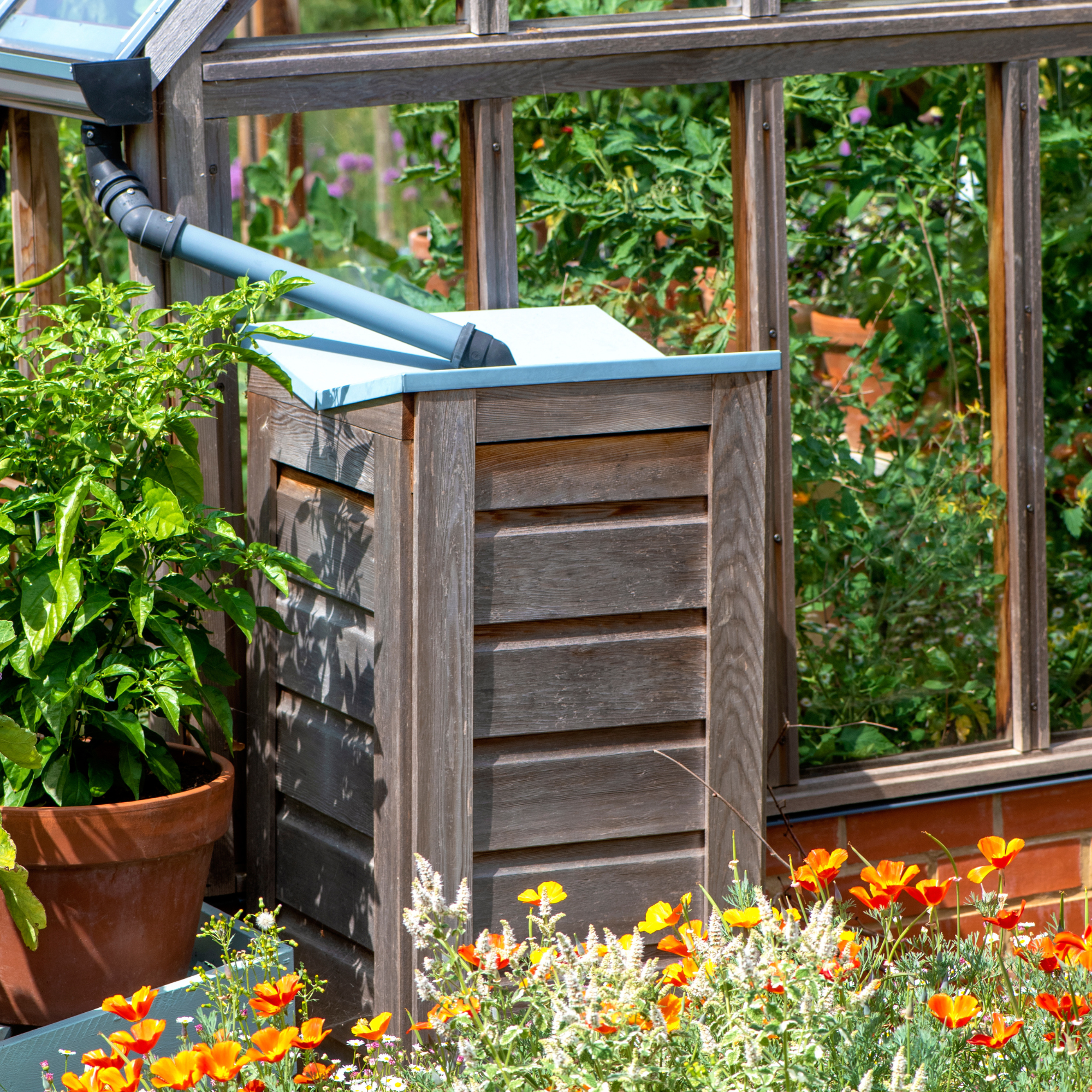
With hosepipe bans already enforced in some areas and no doubt more on their way, it pays to be organised and investing in a water butt is a great option – if we have any rain to fill it!
Noah explains, 'Relying on mains water during a heatwave can often be restricted by hosepipe bans. Adding dedicated water butts into your garden is one of the easiest ways to secure a free, independent water supply. People often underestimate how much water a single downpipe can collect; a brief summer downpour on a decent-sized roof can fill a standard water butt in very little time.
To make this harvested water go as far as possible, step away from the hosepipe, which encourages overwatering. Fill a traditional watering can directly from the butt tap. This forces you to be more targeted, ensuring you can see exactly how much water is going directly to the root area of specific plants.'
There are a couple of water butt options on the market, from good value like B&Q's ward stand and downpipe connector with 210 litre basic water butt at £39, to Garden Trading's powder-coated steel design in thistle green, currently on sale at £176.
4. Mulching
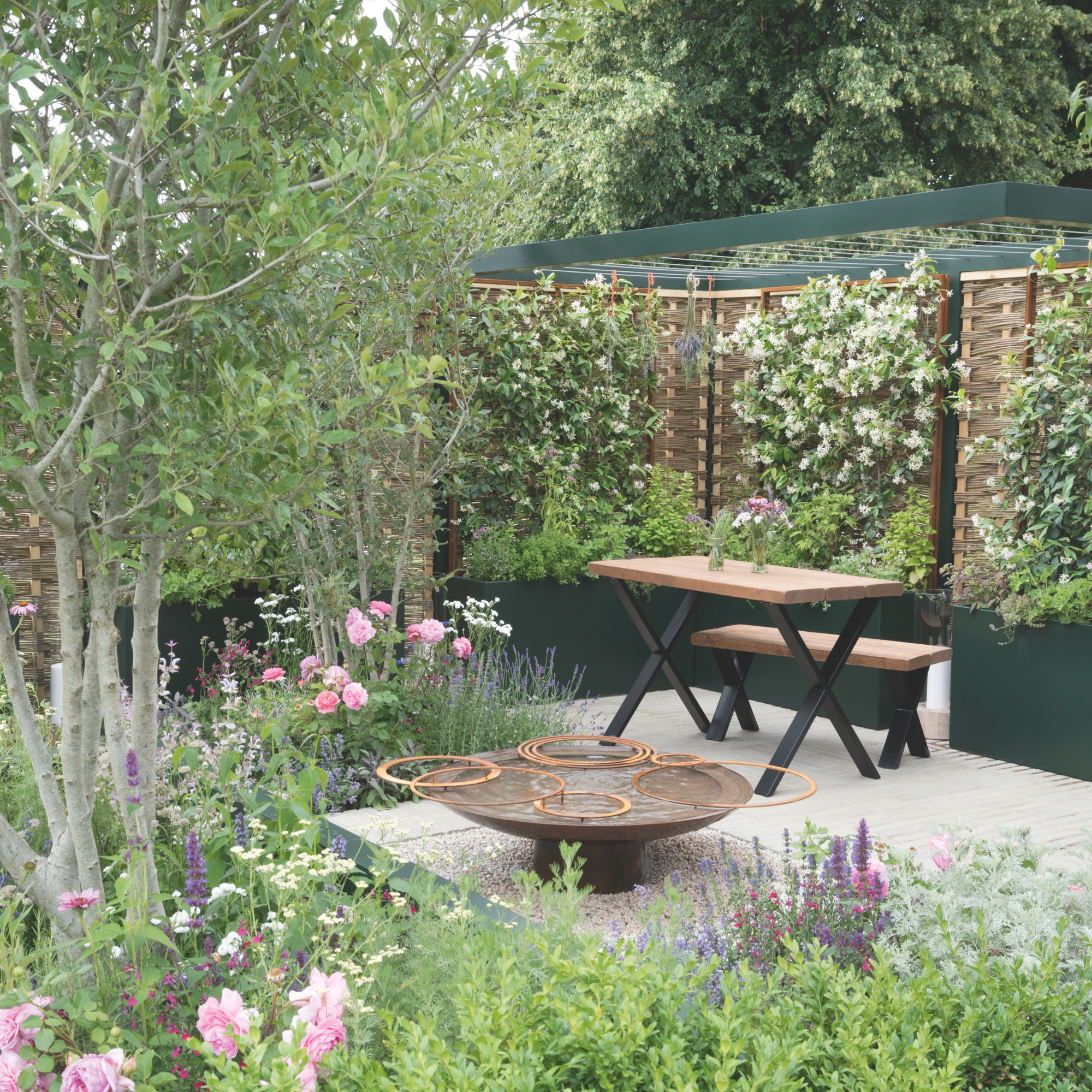
Mulching is such a beneficial thing to do – it boosts biodiversity, prevents erosion, suppresses weeds, enriches the soil – and in a heatwave it helps to regulate soil temperature and conserves moisture.
Huw Richards, best-selling author, grow-your-own expert and ambassador for Gardena explains, 'One of the most effective ways to help your garden cope during a heatwave is to prioritise soil health. Soil which is rich in organic matter naturally holds onto water for longer, giving plants a more consistent supply between watering.'
The best way to help during high temperatures is to apply a 5-10 cm layer of organic mulch. Huw adds, 'Put compost, straw or leaf mould mulch around your crops; it acts as a protective blanket over the soil. Grass clippings are also an excellent mulch provided they are cut from a lawn of grass that isn’t in flower, which could cause weed issues later down the line.'
Dobies sell Strulch mineralised straw garden mulch, currently £19.99 for a 9kg bag, or if you prefer a leaf mould compost, then check out Happy Earth Soil, 50L bag full of fallen leaves with worm castings and microbes, £18.98, Amazon.
5. Move things around
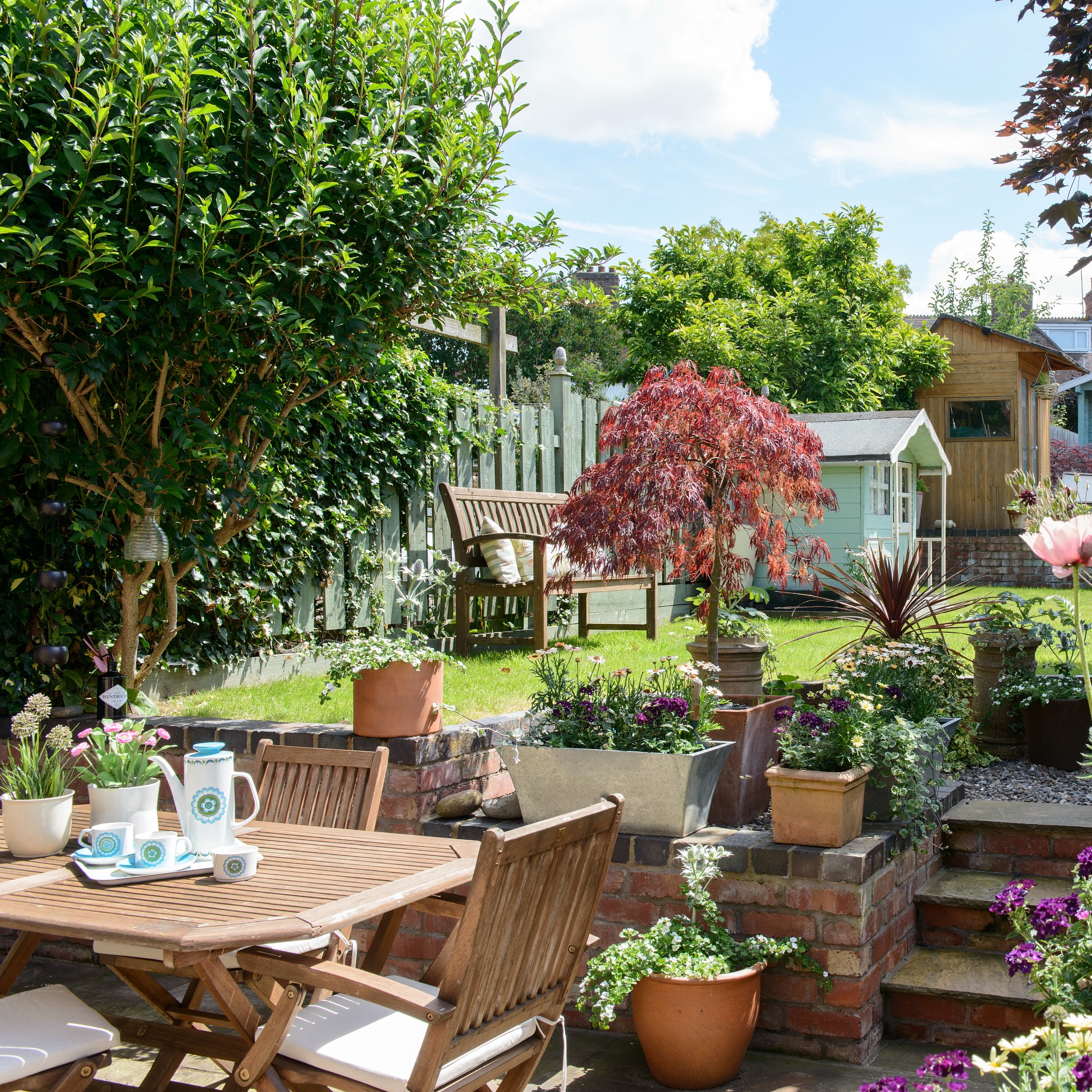
Sounds obvious, but sometimes we are so used to seeing things in certain positions in our gardens, and they look well established, that we forget we can move them. And there's no better time to do this than before a heatwave.
'Try grouping containers together in a sheltered, partially shaded location to create a more humid microclimate and reduce water loss,' suggests Huw. 'I like to place my pots at the foot of the shady side of a hedge, for example.'
Noah adds, '“Potted plants and containers are incredibly vulnerable to heat because their root systems are isolated above ground, causing them to dry out quickly in direct sunlight. Design your container setups with deep trays or saucers underneath. In a heatwave, water poured on top of a dry pot often channels straight down the sides and wastes away out the bottom. A saucer catches this runoff, allowing the compost to slowly wick it back up.'
For new plants that need a larger home, have a look at Crocus's terracotta ruffle pots with glazed saucers, from £29.99. Then give your containers a good water.
6. Use a soaker hose

'A soaker hose is a porous garden hose that slowly distributes water into the soil around the roots of plants,' explains Richard.
This is a really useful option during a heatwave; it can be connected to your garden tap, and then you pin it in place around your plants. However, you unfortunately cannot use one during a hosepipe ban.
'They operate on low pressure, so only turn on the water slightly, as if water rushes out it can risk bursting the hose. You can also attach a timer to the tap to automate the watering schedule using the hose. To make the hose more effective, cover it with a two- to three-inch layer of mulch, as this helps to hold the hose steady and stops water from evaporating in the sun,' advises Richard.
Amazon sell different sizes, but a good starter option is the 15 metre drip hose set that has connectors, £25.99. Pop a timer on it, and you're good to go – Tesco's electronic hose water timer has a two-hose option which is handy, £24.95.
7. Adopt the Olla method
Have you heard of the olla method?
Richard explains, 'An olla is a simple irrigation method that uses unglazed terracotta pots to slowly supply water to plant roots. To use an olla, dig a hole in a garden bed and bury the olla up to its neck, leaving the opening exposed. Fill the pot with water, and cover the opening with a lid to prevent evaporation. These are best used in soils that are good at holding water, as the water may seep out too quickly in sandier soils.'
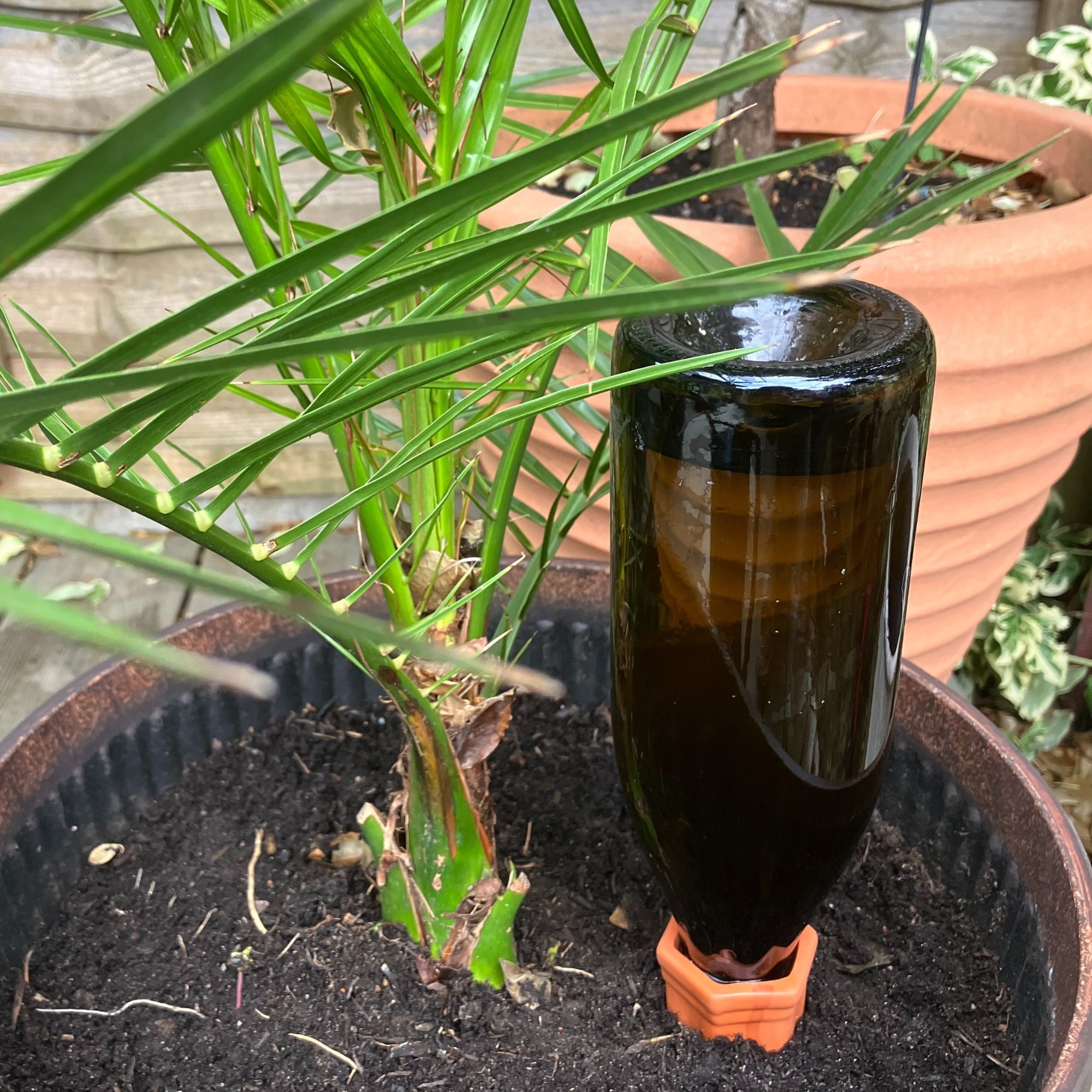
Another version of it is using a watering spike that's made from terracotta – we like Amazon's Bamworld plant watering spikes; you get 6 for £12.99. Place them in the soil, fill a bottle of water - an old wine bottle, for example and pop it into the spike; the water will then slowly seep into the soil via the spike.
Garden essentials for a heatwave
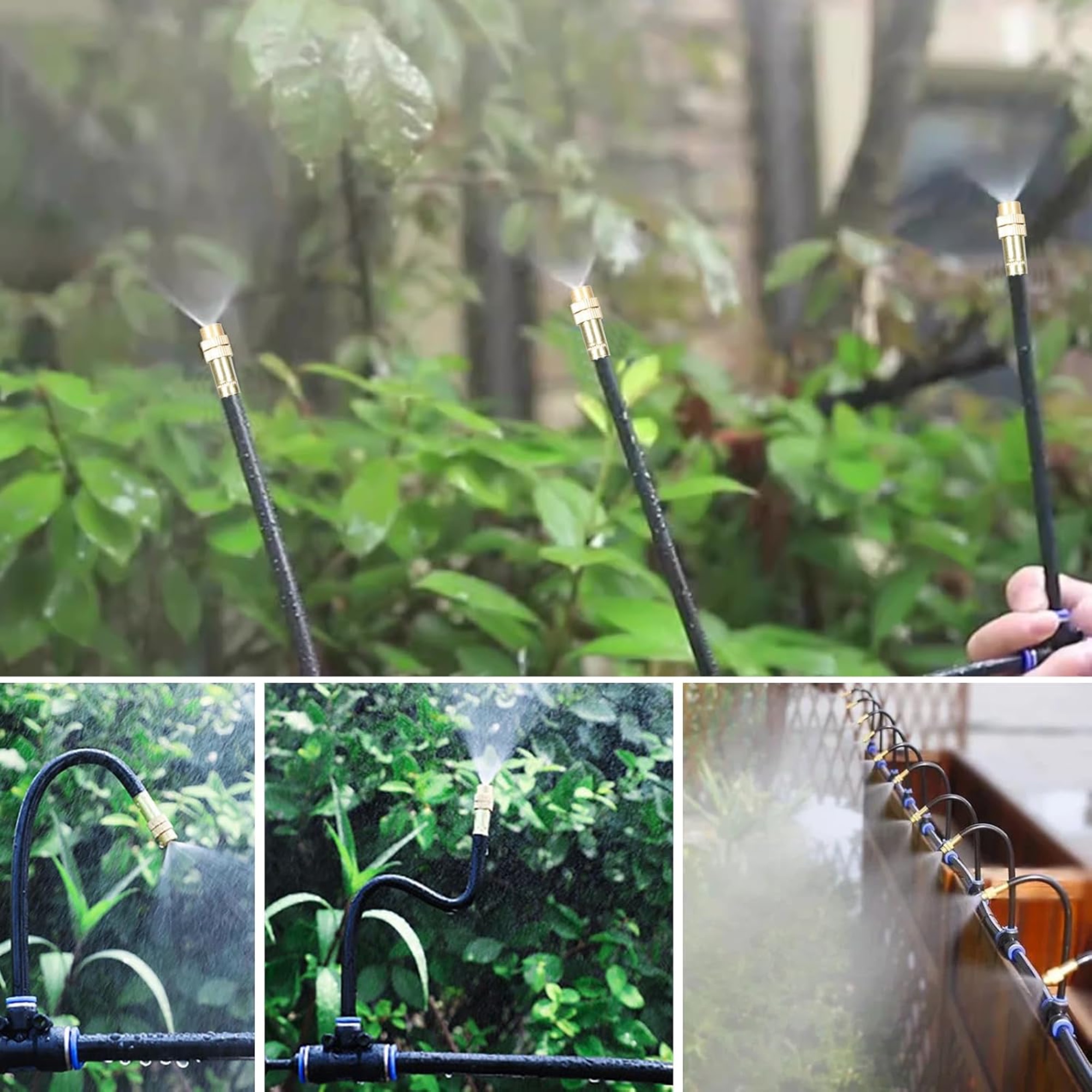
This kit distributes water through 20 tributaries which saves 70% of water, giving your plants/lawn consistent hydration.
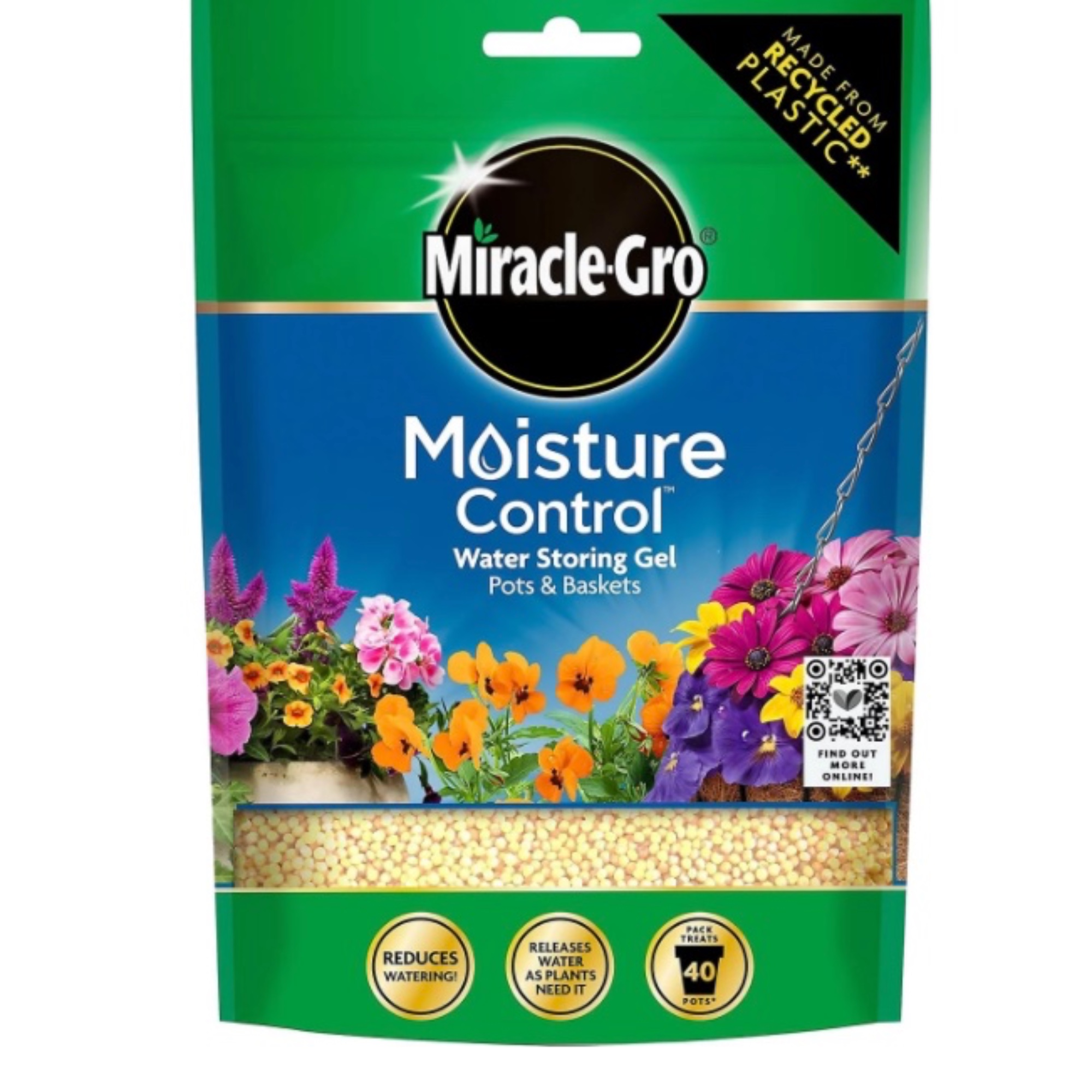
Mix between 1-2 teaspoons into every ten litres of compost when you're planting your pots and baskets and this magic gel will help to keep them hydrated.
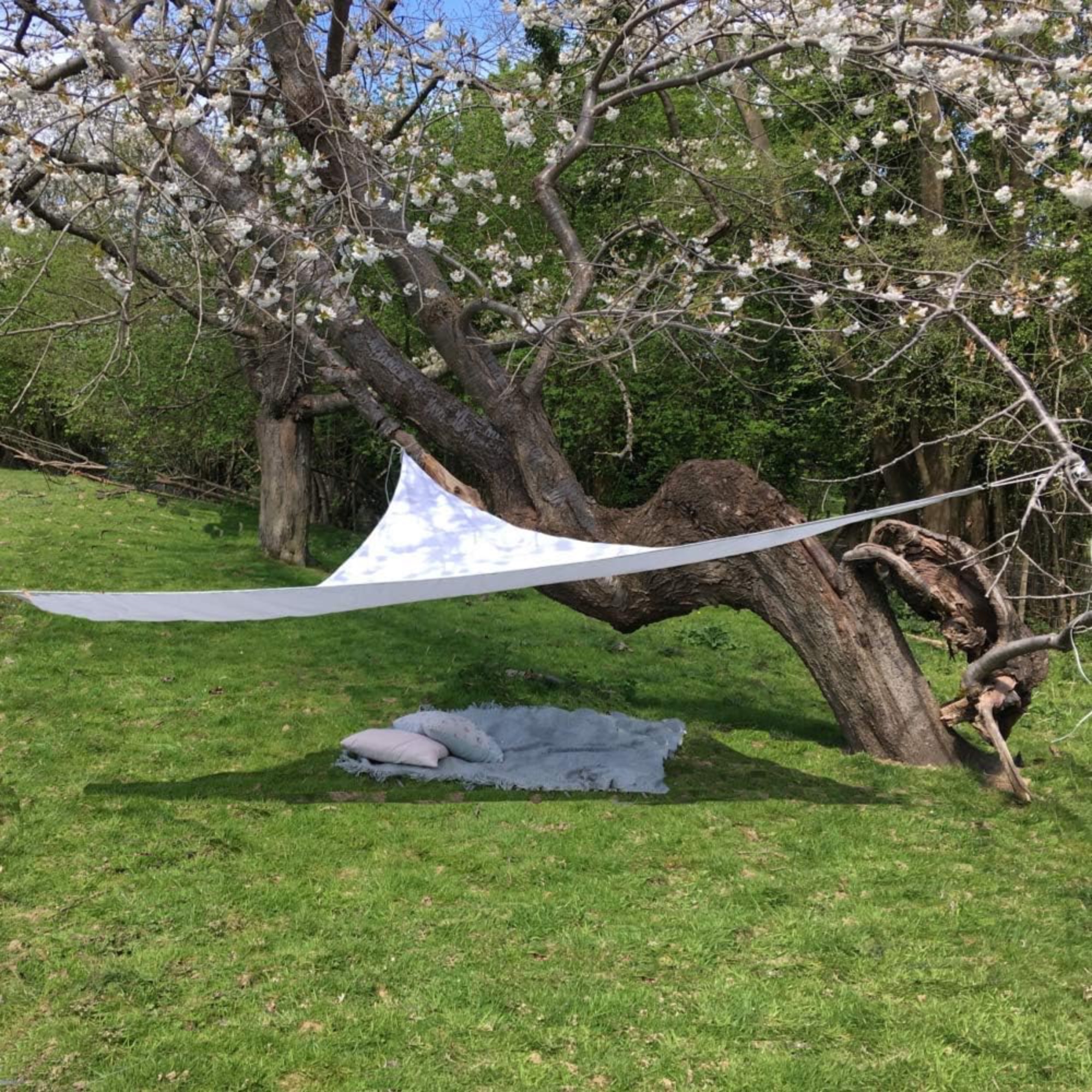
When heatwaves hit we need to be inventive, and this sail shade is ideal for giving parts of your garden some much needed shade.
Hopefully our top tips from garden experts will help your garden survive the heatwaves – a final bit of advice from Julian: 'The other thing gardeners learn is not to panic. Newly planted shrubs, young trees and pots need the most care, but established plants can usually cope a bit better than they first look. A heatwave is really about being practical, not overdoing it, and a few simple tricks can keep everything going until the temperature drops.'