Kitchen sponges are an ideal reservoir for bacterial pathogens due to their porous surface and the moisture they contain, scientists warn in a new study.
Food-borne disease outbreaks involving multiple people have largely been traced back to commercial kitchens or catering establishments.
In these environments, bacteria can spread in kitchens due to poor hygiene while preparing contaminated food like raw meat.
Previous studies have established that the bacterial load in kitchen sponges is generally higher than on other kitchen surfaces like sinks or chopping boards.
This is because food residues trapped in kitchen sponges provide nutrients and the best environment for bacteria to grow and multiply, researchers say.
Now, scientists have shown further proof that harmful bacteria can proliferate in kitchen sponges.
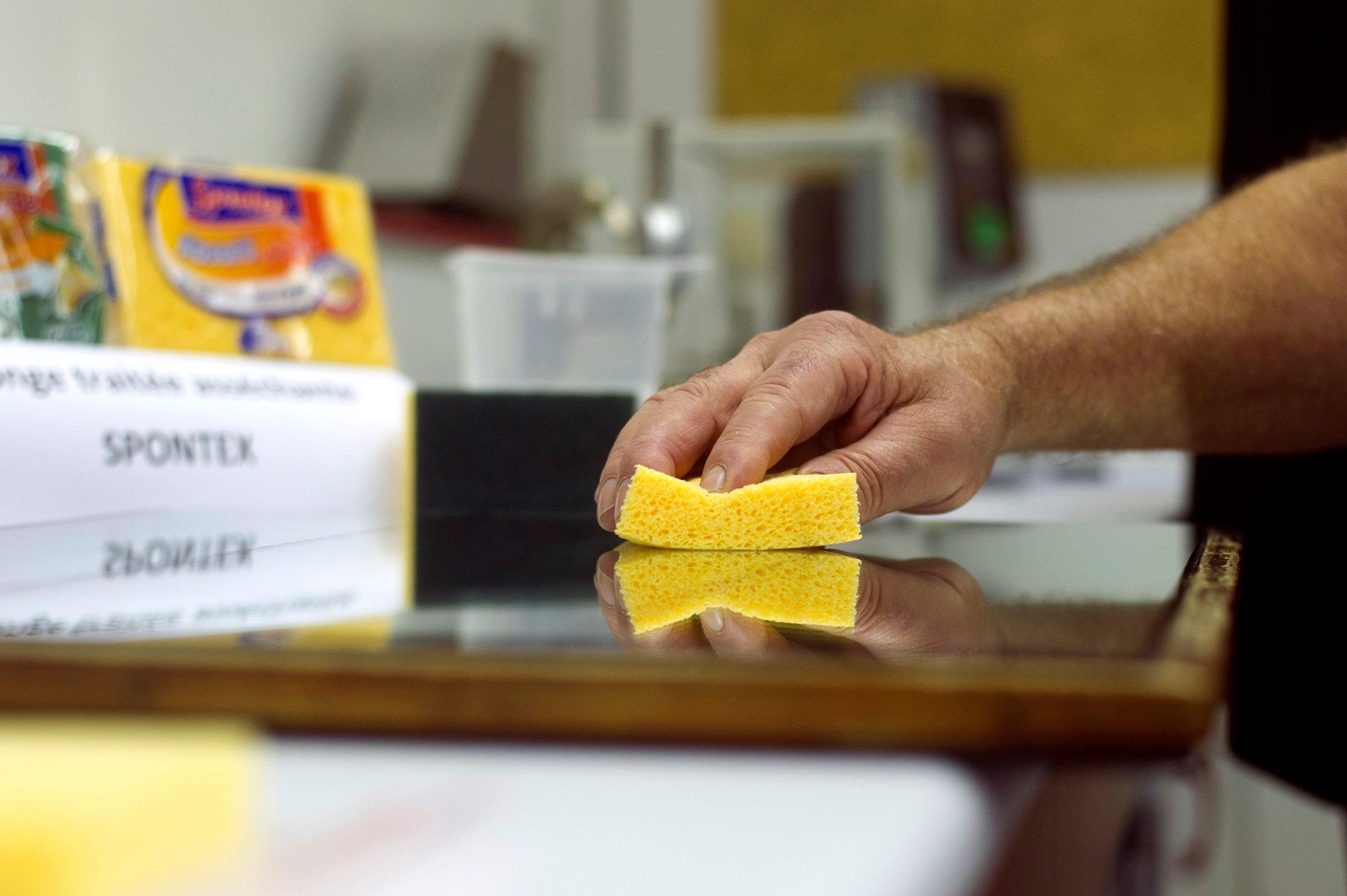
In the study, they applied solutions containing two major food-borne pathogens – Escherichia coli and Salmonella – in varying concentrations to commercially available kitchen sponges.
Some sponges were also treated with a solution containing the bacterium Staphylococcus aureus, which produces toxins that may cause food poisoning.
Researchers found that all the pathogens multiplied significantly within a few days, even when their initial counts in the added solution were relatively low.
The pathogens also survived long after the sponges had dried out for several days.
Even light pressure was sufficient to transfer these pathogens from the sponges to other surfaces, the study found.
The findings indicate that pathogenic bacteria can be transferred to food through direct contact.
If such contaminated food is consumed without being properly heated, it may cause food-borne illness – and even very low initial counts of the pathogen are sufficient to do so, say scientists in the study published in the Journal of Food Protection.
Researchers warn that replacing kitchen sponges based on how they look or smell is an “unreliable indicator”, as there were no noticeable changes in the test sponges in the study even when bacterial counts were high.
Exactly when one must replace kitchen sponges depends on how they are used, among other things, scientists say.
Citing an example, they say if a sponge has been used to clean surfaces that have come into contact with raw meat, it should be discarded quickly afterwards.
To reduce the bacterial load, sponges can be heated for at least two minutes with water at temperatures above 70 degrees Celsius, researchers say.
In households with vulnerable people such as those with weakened immune systems and young children, kitchen sponges must be replaced more frequently, they say.
Microfibre cloths can be an alternative as they harbour lower bacteria, dry more quickly, and can be cleaned in a washing machine, scientists say.
Even when cleaning such cloths, washing machine programmes should be run at a higher temperature of at least 60C, they say.
“These results underscore the role of kitchen sponges as critical microbial reservoirs in households and emphasise the need for regular sponge replacement or the use of alternative cleaning utensils,” scientists concluded.