
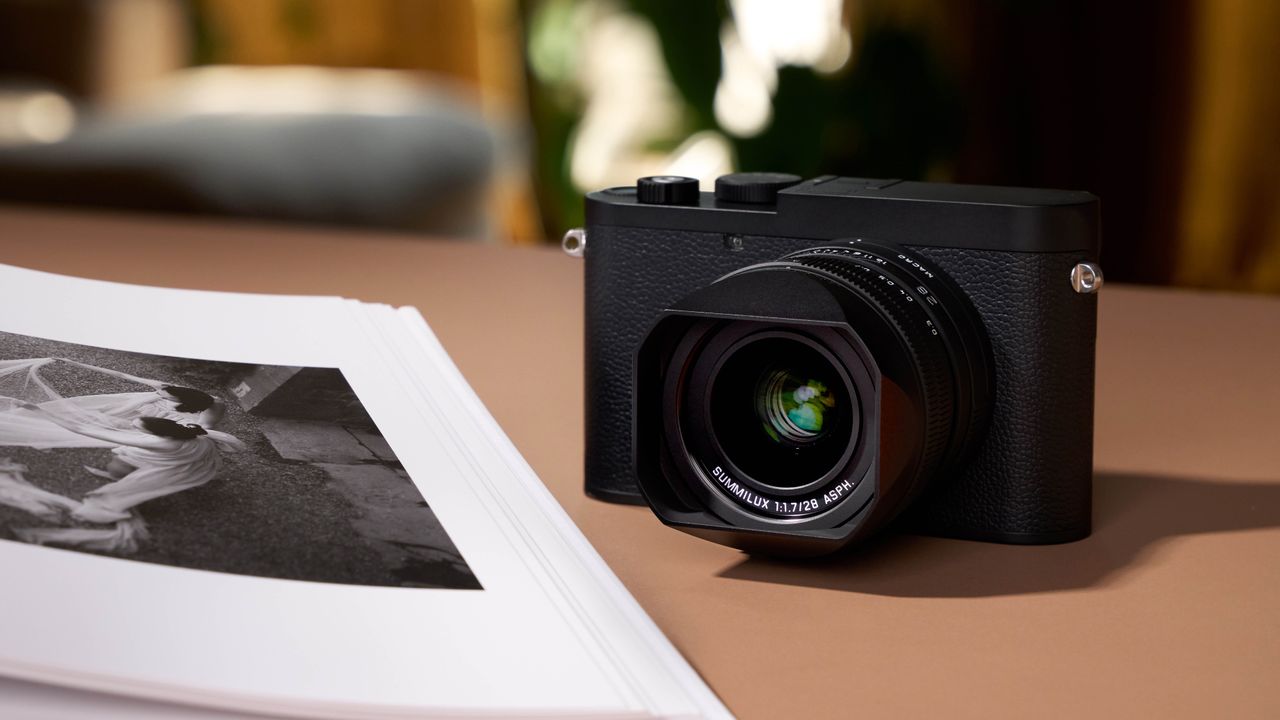
Our world is full of color. That’s precisely why shooting in black-and-white makes sense.
We can be overwhelmed by too many choices when it comes to photography. But by switching to monochrome, I believe, we can avoid distracting elements and focus in on what’s important. Not only directing a viewer’s eye to what the image is trying to preserve – in freezing the moment – but to what it’s trying to say.
Simply put, a starker, more graphical, black-and-white image gets straight to the point.
Leica, Pentax and Ricoh, who have all released monochrome-only cameras for black-and-white photography in recent years, would argue that it distils everything down to photography in its ‘purest’ form.
Purity is a very saleable element.
Like most of us, I’m all for tuning out some of the noise that comes with a busy, modern world – and for seeking fresh inspiration that can come from a simpler, stripped-back approach. Shooting black-and-white forces you to think differently – and restrictions can actively boost creativity.
Those colorful cakes stacked up in a patisserie’s window? Photographing them is no longer about the combination of pretty hues, but shapes, light and shade, plus perhaps a more regimented, graphical presentation. It’s a different way of seeing – a fresh slant on the everyday.
Buying a Leica M11 Monochrom rangefinder, a Leica Q3 Monochrom or Ricoh GR IV Monochrome compact, or a Pentax K-3 Mark III Monochrome DSLR signals that ‘I too, dare to be different’. Even if nobody besides you cares what you’re shooting with.
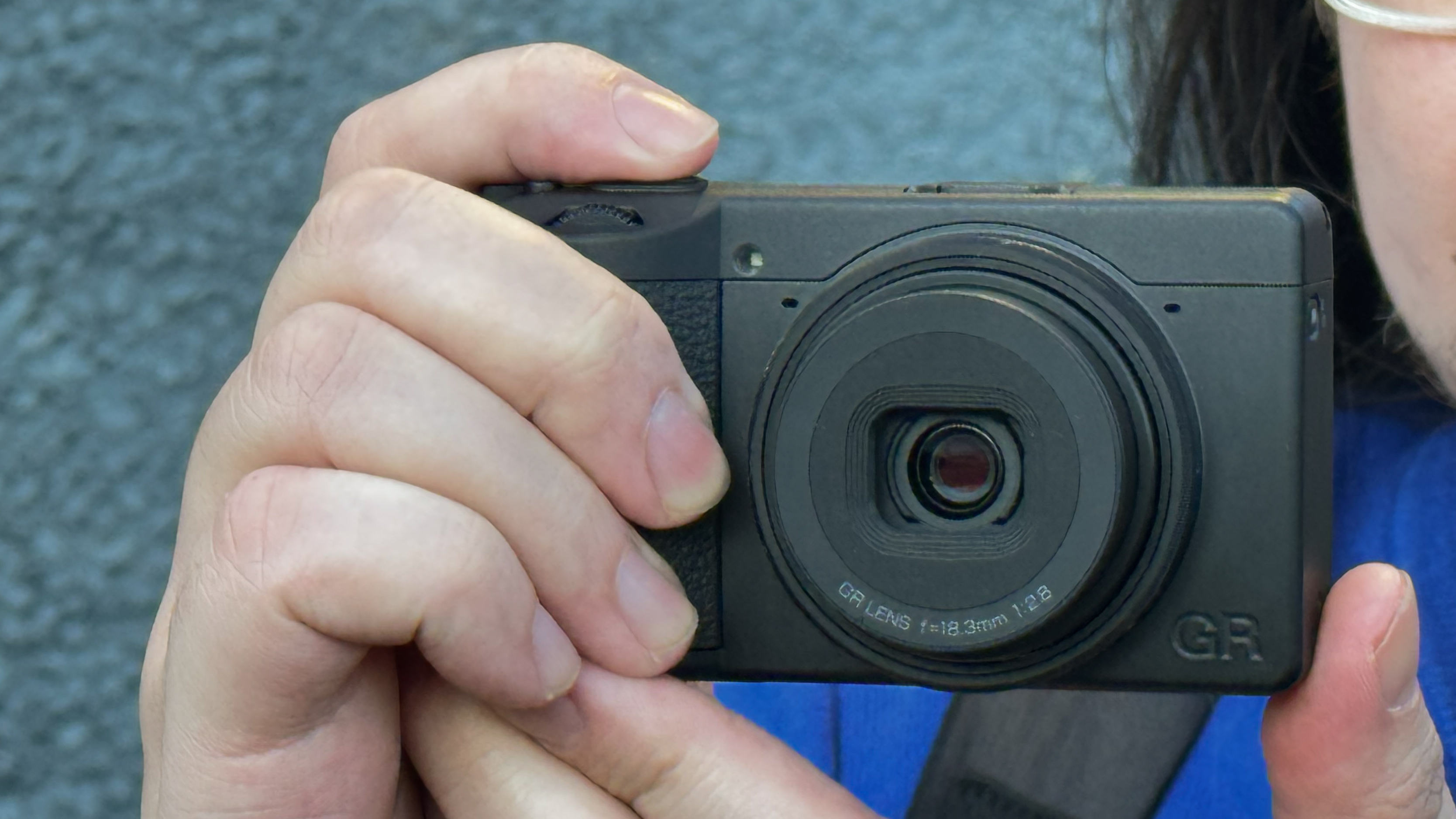
Make a black-and-white print from the files produced and I’ve immediately got an image that looks more ‘classic’. Even if my skillset can’t match monochrome shooting greats like Cartier-Bresson, Bill Brandt or Dorothea Lange, at least I can take inspiration from them.
It’s tempting to think there may also be a nostalgic element to black-and-white photography that appeals – after all, the photographic image was monochromatic at the outset. But I believe the clean and vivid results that come from stripping away all color – whereupon it’s more about texture, contrast and the play between light and shade – can in fact look very contemporary.
Of course, I can readily desaturate any color image I’ve captured, if I later decide that the image might work better (or harder) that way. I don’t have to capture it in black-and-white in the first place.
But by Leica, Pentax and Ricoh removing the color filter from their cameras’ sensors, they’re offering deeper blacks and (in theory) cleaner, more detailed and more dynamic images compared to what I’d get from converting my colour files to black-and-white.
It’s niche, for sure. But sometimes a niche is a nice place in which to creatively wallow.
You might also like...
Take a look at the best cameras for black-and-white photography or, if you really want to get back to basics, grab one of the best film cameras and some mono 35mm film!