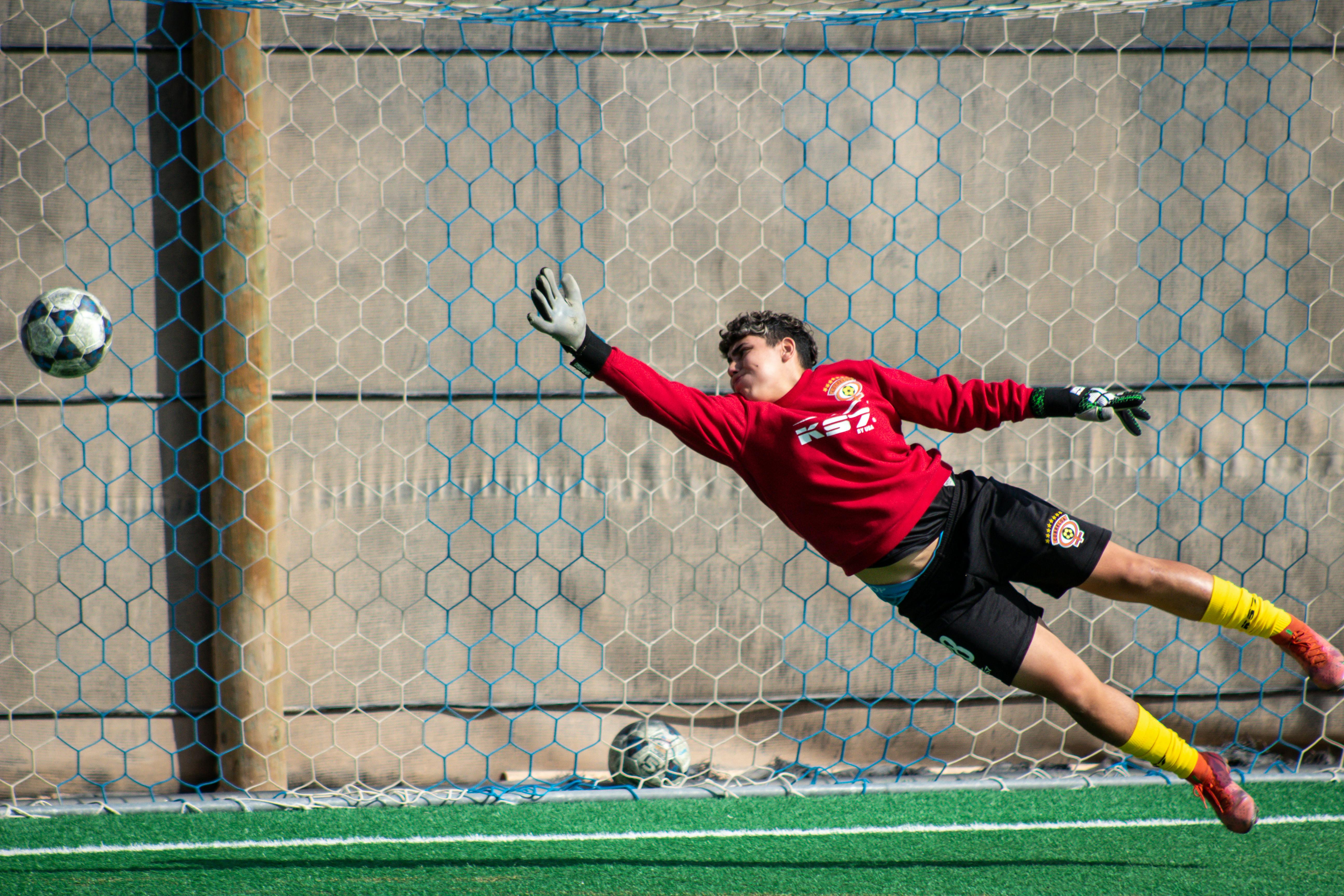
Source: Pexels
There is a moment every goalkeeper knows. A striker breaks through, one-on-one, and everything narrows to a single point of contact: glove on ball. In that instant, no amount of positional training or tactical preparation matters as much as what is covering your hands. Keeper gloves are not a cosmetic choice. They are, arguably, the most performance-critical piece of equipment in football.
Yet for years, gloves were treated as an afterthought. Clubs handed them out like shin pads, parents bought whatever was cheapest at the sports shop, and goalkeepers at all levels made do with ill-fitting, worn-out latex that degraded their ability without them even realising it. The conversation around goalkeeper equipment has matured considerably since then, and the science behind it is more compelling than many fans appreciate.
The Science Behind the Grip
The foundation of any glove's performance is its latex palm, as it is one of the biggest factors in grip and overall performance. Higher-quality latex generally provides better grip and ball control, especially in demanding conditions. This is why specialist retailers have become increasingly important to the goalkeeper community. Platforms like Keepers, founded by former goalkeepers who understand the position from the inside, exist precisely to give players at every level access to professional-grade equipment without the inflated price tags typically associated with it.
The difference between latex grades is not subtle. Contact latex, used by many professional goalkeepers for match-day gloves, offers unrivalled grip that outperforms all other latex types and delivers maximum ball control, performing exceptionally in all conditions: from dry turf to wet grass and artificial pitches. Compare that with entry-level latex, and you are not simply getting a cheaper product, you are getting a fundamentally different experience of the ball.
How Glove Design Shapes Decision-Making
Beyond grip, the design of a glove shapes how a goalkeeper moves and thinks. As explored by Keeper in Motion, heavily padded keeper gloves offer better protection against powerful shots, boosting confidence in aerial sorties and close duels, while lighter and more sensitive gloves encourage a more mobile and reactive style of play. In other words, the glove is not passive equipment, it actively influences decision-making on the pitch.
Playing Conditions and the Cost of Being Unprepared
Weather is another variable that separates the prepared goalkeeper from the vulnerable one. No glove performs perfectly in all conditions: wet-weather gloves are designed to maintain grip in rain, helping reduce slips and improve handling, while standard latex gloves usually perform best in dry conditions. Elite goalkeepers typically rotate between two or three pairs depending on the forecast. For amateur players, this kind of investment has historically felt out of reach. The shift toward affordable professional equipment has changed that calculation.
Maintenance and Longevity
The physical toll on gloves is also worth understanding. Latex wears down with every session, and even the best latex won't perform well if the gloves are worn out or not maintained properly. Regular cleaning, proper drying, and knowing when to replace rather than persist with degraded latex are habits that separate goalkeepers who perform consistently from those who don't.
FIFA's own technical development programmes increasingly emphasise the goalkeeper position as a specialist discipline requiring specialist preparation, equipment included. The gloves a keeper chooses are as deliberate a decision as the boots a striker selects. The difference is that for too long, that decision was left to chance.
For goalkeepers who take their game seriously, the quality of their keeper gloves is not a luxury. It is the baseline.