HOA communities across the country are finding themselves in a surprisingly heated debate over what belongs in a front yard. Traditional manicured lawns once defined neighborhood standards, but a growing wave of eco-friendly gardening trends now challenges that long-standing look. Homeowners push for native plants, wildflower patches, and low-water landscapes that cut costs and reduce maintenance. HOA boards, on the other hand, often enforce strict appearance rules that favor uniform grass and trimmed hedges. The result creates tension that spills into meetings, letters, and sometimes even fines.
This clash does not center on weeds or neglect in most cases. Instead, it centers on two competing visions of what a “well-kept” yard looks like in modern neighborhoods. Many residents now prioritize sustainability and biodiversity, while HOA guidelines still reflect older suburban ideals. That disconnect fuels frustration on both sides and turns landscaping choices into a neighborhood flashpoint.
The Lawn War Hiding in Plain Sight Across HOA Communities
HOA neighborhoods often look peaceful from the outside, but lawn standards spark quiet conflict behind the scenes. Many boards require uniform grass height, trimmed edges, and minimal variation in plant types. Homeowners who switch to clover lawns or native grasses often receive violation notices within weeks. These rules aim to preserve property values, yet they also limit creativity in yard design. The result creates a steady tug-of-war between individuality and uniformity.
Some residents push back by documenting lower water bills and reduced maintenance costs. They argue that traditional turf lawns demand too many resources and constant upkeep. HOA boards counter by pointing to neighborhood appearance standards written into covenants. These disagreements rarely stay friendly for long once fines enter the conversation. Lawn care suddenly becomes less about grass and more about control over community identity.
Why Native Plant Gardens Spark So Much Debate
Native plant gardens often trigger strong reactions in HOA meetings because they challenge traditional landscaping expectations. These gardens use regional plants that support pollinators like bees and butterflies while reducing irrigation needs. Supporters love the natural look, but critics sometimes label it messy or unkempt. The visual difference alone often creates misunderstandings among neighbors. That divide turns simple garden choices into heated debates about aesthetics.
HOA boards often struggle to categorize these gardens under existing rules. Many regulations focus on “neatness” rather than ecological value, which leaves room for interpretation. Homeowners who install wildflower beds often defend their choices with environmental benefits and cost savings. Board members sometimes worry about resale value if yards stray too far from conventional looks. The disagreement often escalates when subjective beauty standards collide with practical benefits.
The Water-Saving Argument HOAs Can’t Ignore
Drought concerns and rising water bills push many homeowners to rethink traditional lawns. Xeriscaping, which uses drought-resistant plants and decorative rock, has gained popularity in dry regions. Homeowners often highlight significant reductions in water usage after replacing turf grass. These savings appeal strongly in areas facing strict water restrictions or seasonal shortages. Even so, HOA boards sometimes resist changes that alter the neighborhood’s uniform green look.
Municipalities in several regions now encourage water-wise landscaping through rebates and incentives. These programs strengthen the homeowner’s argument by tying landscaping choices to public policy goals. HOA boards face pressure when local governments promote designs that HOA rules restrict. Some neighborhoods eventually revise guidelines to allow limited xeriscaping with design requirements. The conversation continues to grow as climate concerns reshape how communities view front yard standards.
How Design Rules Turn Simple Gardens Into Legal Battles
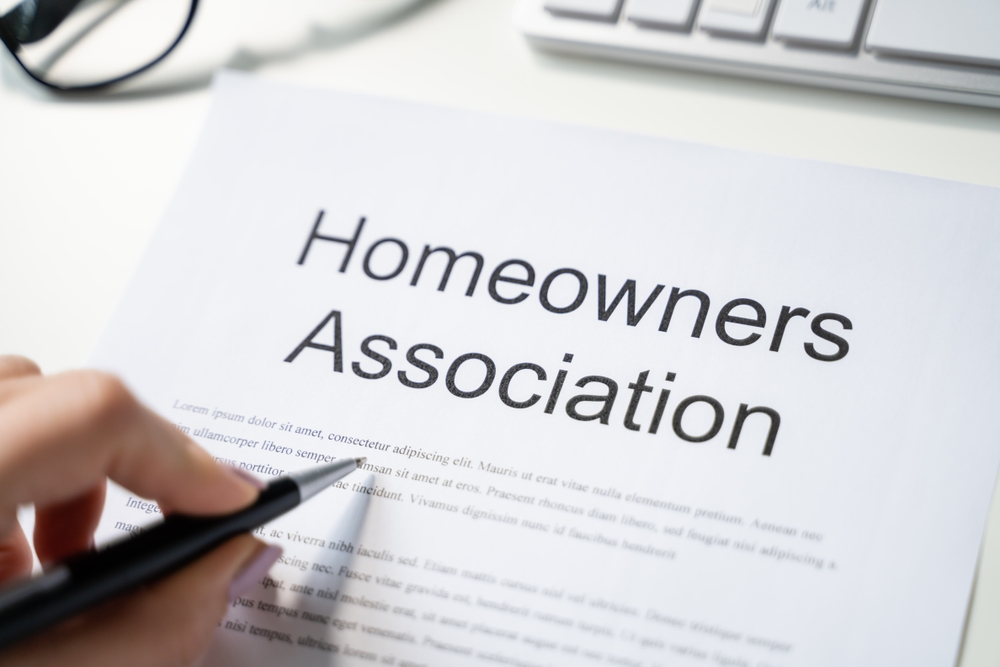
HOA rulebooks often include detailed landscaping guidelines that leave little room for interpretation. These documents specify grass types, plant height, and even acceptable mulch colors in some communities. Homeowners who deviate from these rules can face warnings, fines, or mandatory corrections. That structure turns simple gardening decisions into formal compliance issues. The process often surprises residents who expect more flexibility in private yard spaces.
Disputes sometimes escalate into formal hearings or legal consultations when neither side backs down. Homeowners may present environmental data, while HOA boards rely on written covenants and bylaws. The conflict grows when neighbors take sides and community relationships strain. Some cases end with compromises, while others lead to costly redesigns of entire yards. These battles show how deeply landscaping rules shape everyday life in HOA neighborhoods.
Finding Middle Ground Between Curb Appeal and Eco-Friendly Yards
Some HOA communities now experiment with hybrid landscaping guidelines that balance tradition with sustainability. These updated rules allow native plant sections as long as homeowners maintain defined borders and clear pathways. Communities that adopt flexible standards often see fewer disputes and higher resident satisfaction. Education also plays a key role when boards explain the benefits of water conservation and pollinator support. Collaboration replaces conflict when both sides focus on shared community goals.
Landscape designers increasingly help homeowners meet HOA requirements without sacrificing eco-friendly goals. Strategic plant placement, decorative edging, and structured layouts help natural gardens fit traditional expectations. These solutions show that design and sustainability do not have to clash. Communities that embrace compromise often discover that visual appeal and environmental responsibility can exist together. The shift signals a slow but meaningful change in how neighborhoods define curb appeal.
The Future of HOA Landscaping Looks Greener Than Ever
HOA landscaping debates continue to evolve as environmental awareness grows across the country. More homeowners push for flexible rules that reflect modern water concerns and ecological priorities. Boards face increasing pressure to update covenants that no longer match current conditions or community values. Technology and design innovation also make alternative landscapes easier to maintain and more visually structured. These changes suggest that strict uniform lawns may slowly give way to more diverse yard styles.
What side of the HOA landscaping debate feels more reasonable—strict curb appeal rules or flexible eco-friendly yards? Share your thoughts in the comments.
You May Also Like…
New HOA Guidelines in Florida Are Banning These 5 Garden Features
Why So Many Americans Are Turning Front Yards Into Vegetable Gardens
The $5 Dollar Store Gardening Hack Everyone on Newsbreak Is Trying
New HOA Rules That Are Changing How People Garden in 2026
Why More Homeowners Are Replacing Grass With Food Gardens in 2026
The post The Gardening Trend HOA Communities Are Fighting Over appeared first on Frugal Gardening.