
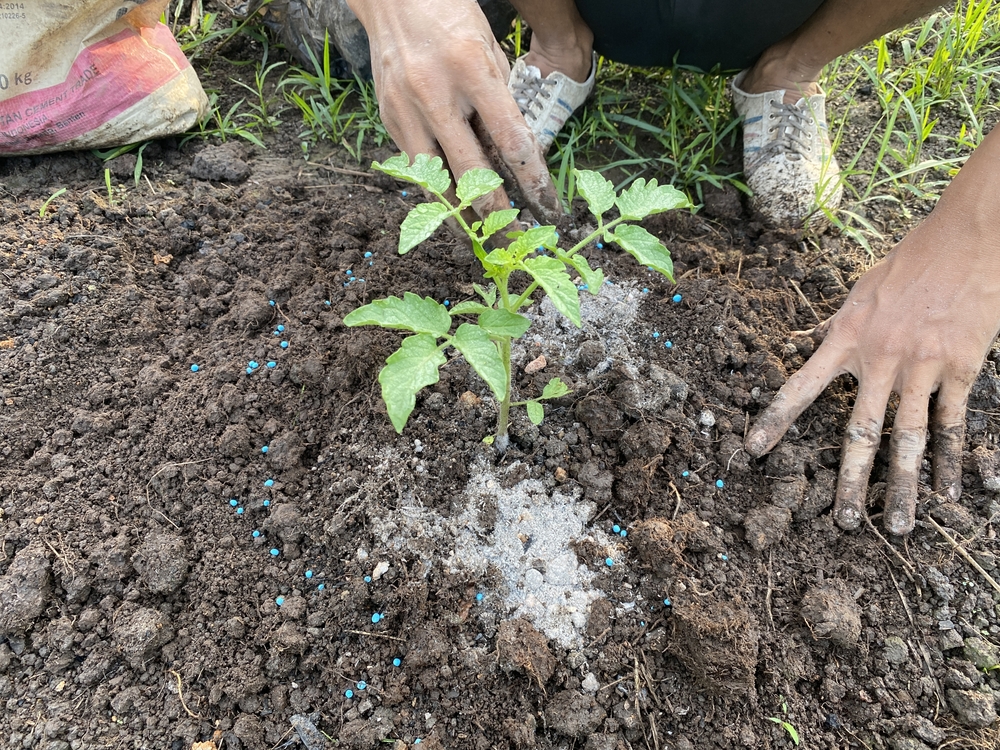
Freshly planted crops bring big dreams to the garden. Tomato vines promise juicy summer sandwiches, rows of lettuce hint at crisp salads, and pepper plants practically beg for backyard tacos. Then one heavy-handed fertilizer application sneaks in and turns those hopeful green starts into crispy, wilted heartbreak almost overnight. Fertilizer burn ranks among the fastest ways to damage young plants, and plenty of gardeners accidentally trigger it while trying to help crops grow faster.
Newly planted crops sit in a fragile stage where roots need time to settle, stretch, and absorb moisture naturally. Excess fertilizer overwhelms those tender roots with concentrated salts that pull water away from the plant instead of feeding it. The result often looks dramatic, with yellow leaves, brown edges, stunted growth, or sudden collapse. A smart fertilizer strategy keeps crops thriving without risking the dreaded burn that can wipe out an entire row before summer even begins.
Why Newly Planted Crops Face the Greatest Risk
Young crops behave a lot like toddlers learning to walk because they need support, gentle conditions, and time to strengthen themselves. Fresh roots remain thin, delicate, and highly sensitive to chemical stress during the first few weeks after planting. Strong fertilizer formulas dump concentrated nutrients into the soil before roots can process them safely, which creates an intense moisture imbalance around the plant. Instead of absorbing water normally, roots lose moisture rapidly and begin drying out underground. That hidden stress usually shows up above ground with curled leaves, scorched edges, and drooping stems that confuse many gardeners.
Warm weather makes the problem even worse because high temperatures already force plants to work harder for hydration. Granular fertilizers placed too close to stems often create small pockets of concentrated salts that literally scorch root zones on contact. Fast-release synthetic fertilizers commonly cause the most damage because they flood the soil quickly with nitrogen and mineral salts. Raised beds also increase fertilizer burn risks since they drain faster and concentrate nutrients more heavily than in-ground gardens. A newly planted cucumber or squash vine may look healthy one day and appear fried by the weekend after a strong feeding.
The Warning Signs Gardeners Should Never Ignore
Fertilizer burn rarely arrives quietly because plants usually wave bright warning flags within days of trouble starting underground. Leaf tips often turn yellow first before shifting to crispy brown edges that resemble drought damage or sun scorch. Some crops develop strange curling leaves or weak stems even when the soil still feels moist to the touch. Growth frequently slows down dramatically because damaged roots cannot move nutrients or water efficiently anymore. In severe cases, entire seedlings collapse despite regular watering and otherwise favorable conditions.
Many gardeners mistakenly add even more fertilizer after spotting pale leaves, which creates a brutal cycle that pushes struggling crops closer to death. Tomatoes commonly develop burned lower leaves first, while beans and peppers may show shriveled edges across nearly every leaf at once. Excess nitrogen sometimes causes rapid weak growth that flops over easily instead of producing sturdy healthy plants. White crusty buildup on the soil surface also signals excessive fertilizer salts accumulating around roots. Quick action matters because early intervention often saves damaged crops before root systems suffer permanent injury.
The Biggest Fertilizer Mistakes Backyard Gardeners Make
Spring excitement pushes many gardeners into a “more equals better” mindset that backfires spectacularly in vegetable beds. Double-feeding young plants with both potting mix fertilizer and extra garden fertilizer creates a nutrient overload before roots even settle in properly. Some gardeners pour liquid fertilizer directly against stems, which concentrates salts exactly where roots remain most vulnerable. Others fertilize dry soil during hot afternoons, causing roots to absorb nutrients far too aggressively under stressful conditions. Even organic fertilizers can burn crops when applied too heavily around young seedlings.
Package directions also create problems because many products recommend ranges that still prove too strong for fragile transplants. Gardeners eager for giant tomatoes often dump high-nitrogen fertilizer into planting holes believing it guarantees explosive growth. Fresh manure causes another common disaster because it releases ammonia and nitrogen aggressively while generating heat during decomposition. Overfeeding seedlings indoors before transplanting outdoors can weaken root resilience as well. Crops perform far better with steady moderate nutrition than with huge fertilizer blasts that shock developing roots.
Smart Feeding Strategies That Protect Young Plants
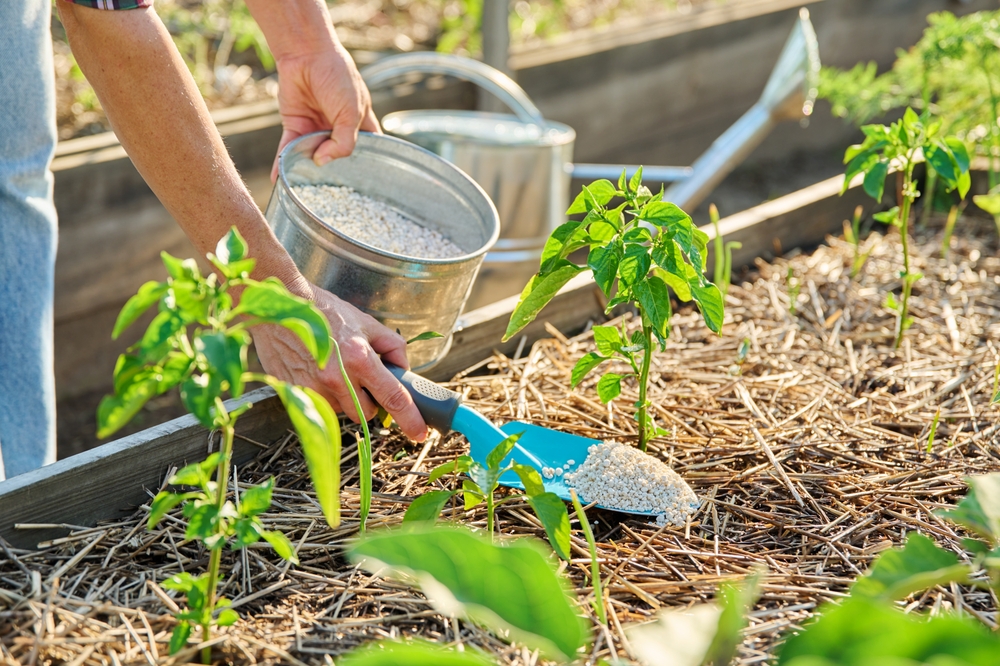
Successful gardeners treat fertilizer more like seasoning than an all-you-can-eat buffet because balance matters far more than volume. Newly planted crops benefit most from mild starter fertilizers applied at half strength during the first couple weeks after transplanting. Watering deeply before fertilizing protects roots by diluting salts and helping nutrients spread evenly through the soil. Slow-release fertilizers work especially well because they feed crops gradually instead of flooding root systems all at once. Compost also offers a safer nutrient source since it improves soil texture while releasing nutrition more gently.
Timing makes a massive difference when feeding vegetables and fruiting plants. Early morning applications reduce heat stress while giving plants all day to absorb moisture steadily. Keeping fertilizer several inches away from stems prevents concentrated burn zones from forming near fragile roots. Soil testing helps gardeners avoid unnecessary feeding by revealing what nutrients already exist naturally underground. Healthy crops thrive through consistency, careful observation, and patience rather than aggressive fertilizer routines designed to chase instant results.
Saving Burned Crops Before the Damage Gets Worse
Fast action often rescues mildly burned crops before damage spreads too deeply into root systems. Flushing the soil thoroughly with water helps wash excess salts below the active root zone where they cause less harm. Removing visible fertilizer granules from the soil surface also prevents additional nutrient release during watering or rainfall. Damaged leaves may never recover fully, but healthy new growth usually signals that the plant survived the stress. Gardeners should avoid fertilizing again until crops regain steady vigorous growth.
Container plants sometimes recover faster because excess fertilizer washes out more easily with repeated watering sessions. Garden beds may require heavier flushing, especially in clay-heavy soils that trap salts more stubbornly. Mulching around stressed crops helps stabilize soil moisture while reducing additional environmental strain during recovery. Pruning severely burned foliage can improve airflow and help plants focus energy on fresh growth. Most importantly, gardeners should resist panic because overcorrecting with more products often creates an even bigger problem.
Healthy Gardens Grow Better With Patience
Great gardens rarely come from rushing because plants reward steady care far more than aggressive shortcuts. Fertilizer absolutely helps crops grow stronger, greener, and more productive when used wisely and carefully. The real trick involves feeding plants gradually while respecting how vulnerable young roots remain after planting. A gentle approach protects crops from preventable stress and builds healthier soil that supports long-term garden success. Smart gardeners know that thriving vegetables usually grow from patience, observation, and restraint instead of oversized fertilizer scoops.
What gardening lesson changed the way crops grow in your backyard garden? Give your advice and stories below in our comments.
You May Also Like…
The Fertilizer Timing Rule Most People Get Wrong
The Chicken Manure Connection: Finding Free Fertilizer in Your Local Facebook Group
The Over-Fertilizing Trap: Why Your Expensive Store-Bought Food is Killing Your Crops
5 Fertilizer Errors That Reduce Yields Without You Noticing
The Chicken Manure Connection: Finding Free Fertilizer in Your Local Facebook Group
The post The Fertilizer Burn Risk for Newly Planted Crops appeared first on Frugal Gardening.