For cost-conscious micro-business owners, insurance can feel like a hefty expense. Yet it is these micro-businesses that have less money and resources to fall back on if something goes wrong. So how can they make sure to start on the right foot, and find a plan that isn’t so costly it puts them out of business?
A good first step is to find out which mandatory insurance policies may apply to your business. If it has any employees, for example, it is legally obligated to have employers’ liability insurance, covering any compensation costs incurred as a result of injury or illness sustained through work. The fines for not having this are high – up to £2,500 for each day.
Or, for instance, if your business involves driving vehicles (such as cars, vans, lorries or taxis), it must also have third party motor insurance, covering any driver involved with the business. As with employers’ liability, the costs of not being covered can run high.
Deborah Holland, commercial director at business insurance broker Simply Business, works closely with micro-businesses and has seen first hand the important role insurance can play day-to-day. She explains: “The smallest and newest businesses often have insurance pretty far down their list of priorities, but it’s definitely more than just another piece of admin. I see thousands of claims a year – ranging from a few hundred pounds to those in the millions. Having the right cover can often mean the difference between shrugging off a mistake and struggling to stay afloat.”
Finding the right plan
Understanding what insurance your business might need begins with understanding your risks, and different businesses all face different ones. For instance, a small shop might worry about their products being stolen (stock insurance), while a micro accountancy firm may worry about the impact of giving bad advice (professional indemnity insurance).
Some businesses such as Twisted Time – an online watch boutique – can face a pretty unique set of risks. The business was set up five years ago in Scotland by Alan and Kelsey Moore. As a micro-business operating from home and dealing in high-value goods, they had issues finding the right policy. “Most insurers said they didn’t insure watches in working-from-home policies, while others said the value of our stock was too high,” explains Alan.
Faced with this dual challenge, Alan found the most cost-efficient way was to move all the stock into a fulfilment centre. The centre packs and ships orders on behalf of Twisted Time, and all the stock is insured under the centre’s own policy. This considerably reduced the insurance costs of working from home, says Alan.
Bricks-and-mortar
If a business operates out of physical premises rather than from home, its insurance needs will differ. For instance, the business may need to consider office contents insurance, business property insurance or shop insurance.
This was a challenge that Twisted Time encountered as their business grew. During the 2014 Christmas season they decided to open a pop-up shop in Boxpark, a retail complex housed in shipping containers in Shoreditch, East London.
Alan found that many insurance companies considered the premises to be insecure. He explains: “Because it wasn’t a typical construction, many wouldn’t insure us.” He recommends using an insurance broker who will get in touch with insurance companies on your behalf. This, he says, saved them a lot of time in finding the right policy.
It is interesting to note that – with EE estimating around 23,400 people working in pop-up shops in the UK [PDF] – several insurance companies are now starting to offer specialised policies for this unconventional type of store. Some insurance companies also offer tailored insurance packages for different types of business premises – such as restaurants, pubs and retail outlets.
Back to business as usual
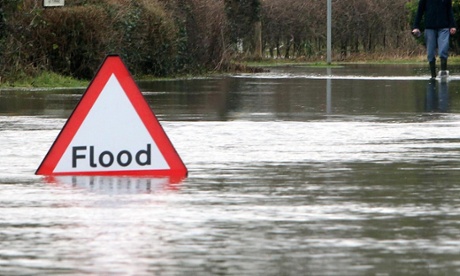
How to protect your business from unexpected disasters, such as floods and fires, is another key area to consider. It is also important to make sure you understand the breadth of your policy and whether it includes not just damage to assets but also to “business continuity” (compensation for a loss of profits while trading is interrupted).
One business owner who understands this first-hand is Alison Wren. She now runs a business called Paprika Marketing, but back in 2007 she ran a business called Wedding Crafter, which sold wedding stationery. Based in Yorkshire, Wren was one of the thousands affected by the heavy flooding that hit during that summer.
Wren says she had “one policy that pretty much covered anything”, but was surprised when she ran into issues receiving the full pay-out for her insurance claim. The issue was with her business-continuity insurance – the money she lost while her business was in tatters. After putting in the claim, the insurers said she was under-insured in this area.
Wren advises other businesses to make sure to ask their brokers lots of questions about their insurance policy up front, so as to avoid a similar situation. “If there’s things you aren’t sure about in your policy, get answers,” she says. “I would also ask for something in writing that says your insurance provider has made calculations about the amount of business-continuity compensation you are entitled to based on your normal trading levels.”
Top tips:
- Make sure you understand and comply with the minimum standards of insurance
- Understand the risks of working and keeping stock at home
- Understand how your insurance needs might change if you open up an office or a shop
- Prepare for unexpected disasters and unexpected breaks in trade
- Even if dealing with a broker, make sure you read and agree with everything in your policy
Content on this page is paid for and produced to a brief agreed with Simply Business, the UK’s biggest business and landlord insurance provider, and sponsor of the supporting business growth hub.