Iran and the United States appeared to edge closer to an understanding following a second round of talks on Iran's nuclear programme in Geneva on Tuesday.
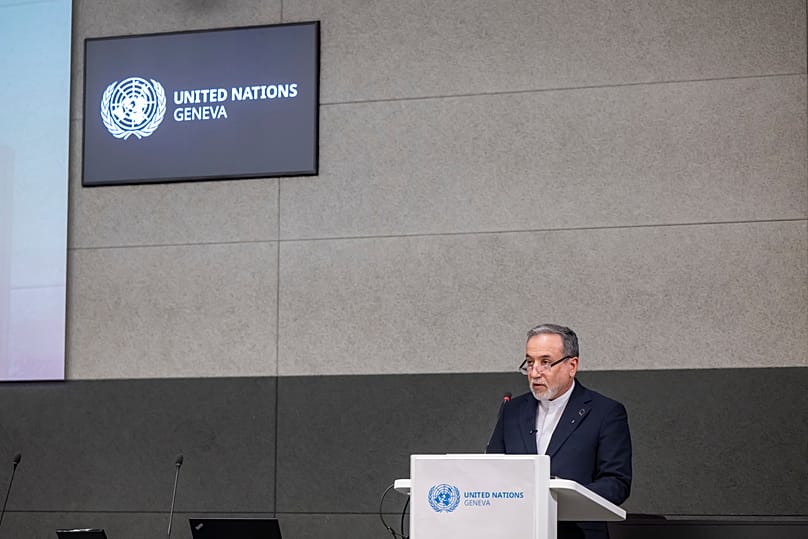
Speaking after the indirect talks took place, Iran's foreign minister Abbas Araghchi expressed optimism and said a "new window has opened" for reaching an agreement.
“We are hopeful that negotiations will lead to a sustainable and negotiated solution which can serve the interests of relevant parties and the broader region,” Araghchi added, speaking at a United Nations disarmament conference after he led the Iranian delegation at the talks held in Geneva.
He added that Iran "remains fully prepared to defend itself against any threat or act of aggression,” without elaborating on the military drills in the Strait of Hormuz, which had prompted its temporary closure.
The talks came as the US ramped up its military presence in the Middle East and Iran held large-scale maritime exercises.
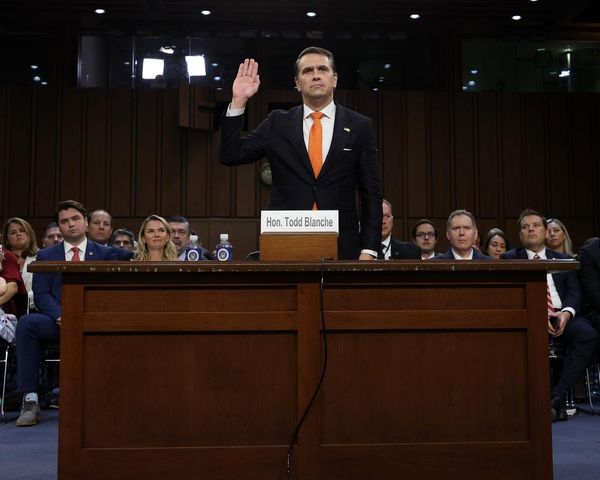
Trump's envoys, Steve Witkoff and Jared Kushner, led the US delegation at the latest round of talks, which took place at the residence of the Omani envoy to Geneva. Oman, where the previous round of talks were also held on 6 February, has been a longtime regional mediator.
According to a US official who spoke on condition of anonymity, the talks yielded progress, although many details remained to be discussed.
The Iranian delegation plans to submit a more detailed proposal in the next two weeks to bridge remaining gaps, the official added.
Araghchi also met with the head of the UN nuclear watchdog agency, Rafael Grossi, a day earlier in Geneva. The Iranian minister said they discussed the agency's role in helping to achieve an agreement.
“I am in Geneva with real ideas to achieve a fair and equitable deal,” Araghchi wrote on X at the time. “What is not on the table: submission before threats.”
Iran holds drills against US military buildup
Iran’s state media announced earlier in the day that Iranian forces had fired live missiles toward the international waterway, which closed for several hours for “safety and maritime concerns" as the indirect talks began between Tehran and Washington.
Prior to Tuesday's talks, US President Donald Trump repeatedly threatened to use force to compel Tehran to agree to constrain its nuclear programme, and over its deadly crackdown on recent nationwide protests.
Iran has said it would respond with an attack of its own should the US attack it.