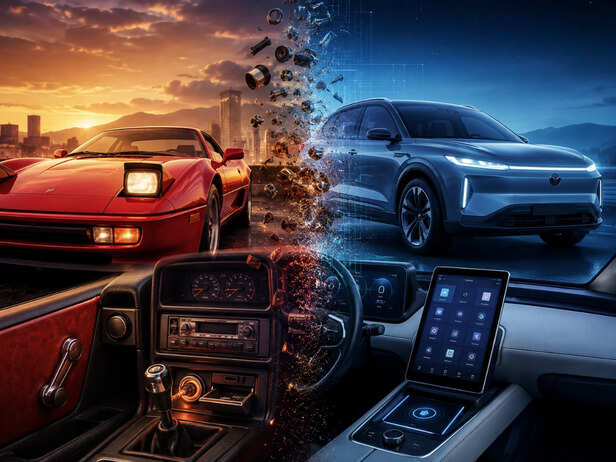
Every generation of cars has introduced features that promised to change driving forever. At the time, they felt futuristic and exciting. Manufacturers proudly advertised them, and buyers considered them symbols of progress. Yet many of these technologies slowly vanished without much attention. Some proved unreliable, others became too expensive, and many were replaced by newer systems that simply performed better. Their disappearance reflects the constant race for innovation, where yesterday's breakthrough can quickly become today's forgotten chapter.
Pop-Up Headlights That Became an Icon
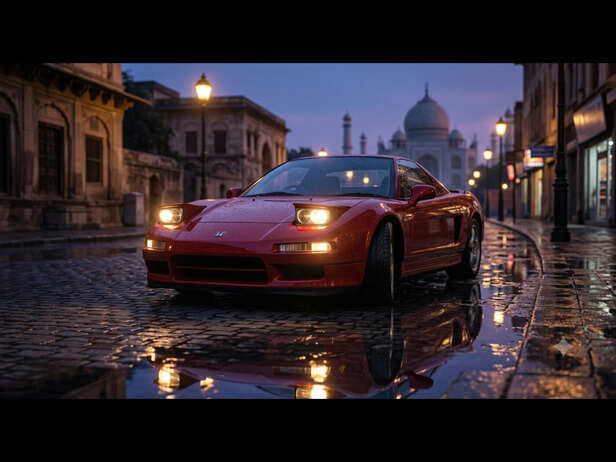
Few car features are as memorable as pop-up headlights. Sports cars from the 1980s and 1990s looked dramatic as their headlights rose from the hood at the push of a switch. Models like the Mazda MX-5, Chevrolet Corvette, and Lamborghini Countach made them legendary. Despite their charm, stricter pedestrian safety regulations eventually ended their popularity. Raised headlights increased the risk of injury during collisions with pedestrians, making fixed headlights a safer choice. Today, pop-up headlights remain a nostalgic favorite among enthusiasts, proving that style sometimes has to make way for safety.
Cassette Players and CD Changers Lost to Digital Music
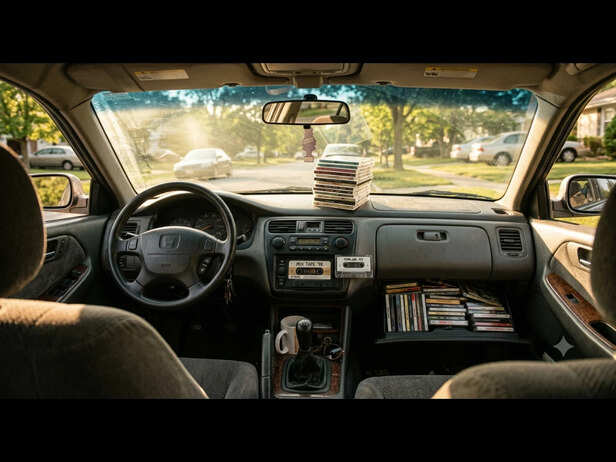
There was a time when organizing music for a road trip meant carrying a box full of cassette tapes or CDs. Multi-disc CD changers in the trunk felt like cutting-edge technology. The arrival of MP3 players, smartphones, Bluetooth, and streaming services changed everything. Drivers could suddenly access thousands of songs without changing a single disc. Modern infotainment systems now offer voice commands, wireless connectivity, and cloud-based music libraries, making physical media almost obsolete.
Manual Window Cranks Slowly Rolled Away
Turning a crank to lower your car window was once a daily routine. Manual windows were simple, affordable, and rarely failed. As electric power windows became cheaper and more reliable, manufacturers gradually phased out manual cranks, even in entry-level vehicles. Today's systems can automatically open or close windows with one touch and even detect obstacles to prevent injuries. What was once a mechanical task has become an effortless convenience.
Hydraulic Steering Made Way for Electric Precision
For decades, hydraulic power steering helped drivers control heavy vehicles with ease. It relied on pumps, belts, and hydraulic fluid to reduce steering effort. Modern cars increasingly use Electric Power Steering, or EPS, which eliminates many mechanical components. The system consumes less energy, improves fuel efficiency, and works seamlessly with advanced driver assistance features such as lane keeping and automated parking. The switch also reduced maintenance since there is no hydraulic fluid to leak or replace.
Ashtrays and Cigarette Lighters Lost Their Purpose
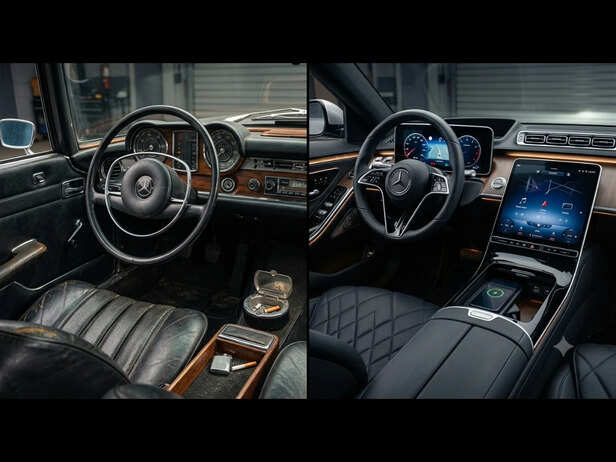
Older cars almost always included built-in ashtrays and cigarette lighters because smoking while driving was incredibly common. Changing public attitudes toward smoking, combined with stricter health awareness, transformed car interiors. Instead of ashtrays, modern vehicles now feature USB ports, wireless charging pads, and multiple power outlets for smartphones and gadgets. It is a small change that reflects a much larger shift in society's priorities.
Progress Leaves Even Great Ideas Behind
The history of automobiles is filled with innovations that once seemed indispensable. Pop-up headlights, cassette players, manual window cranks, hydraulic steering, and built-in ashtrays all represented the best technology of their time. Their disappearance is not a sign of failure but of progress. Every new generation of vehicles builds on the lessons of the past, replacing older ideas with smarter, safer, and more efficient solutions. Years from now, some of today's cutting-edge features may also become museum pieces. That is the fascinating cycle of automotive innovation, where change is the only constant.
Unlock insightful tips and inspiration on personal growth, productivity, and well-being. Stay motivated and updated with the latest at My Life XP.