
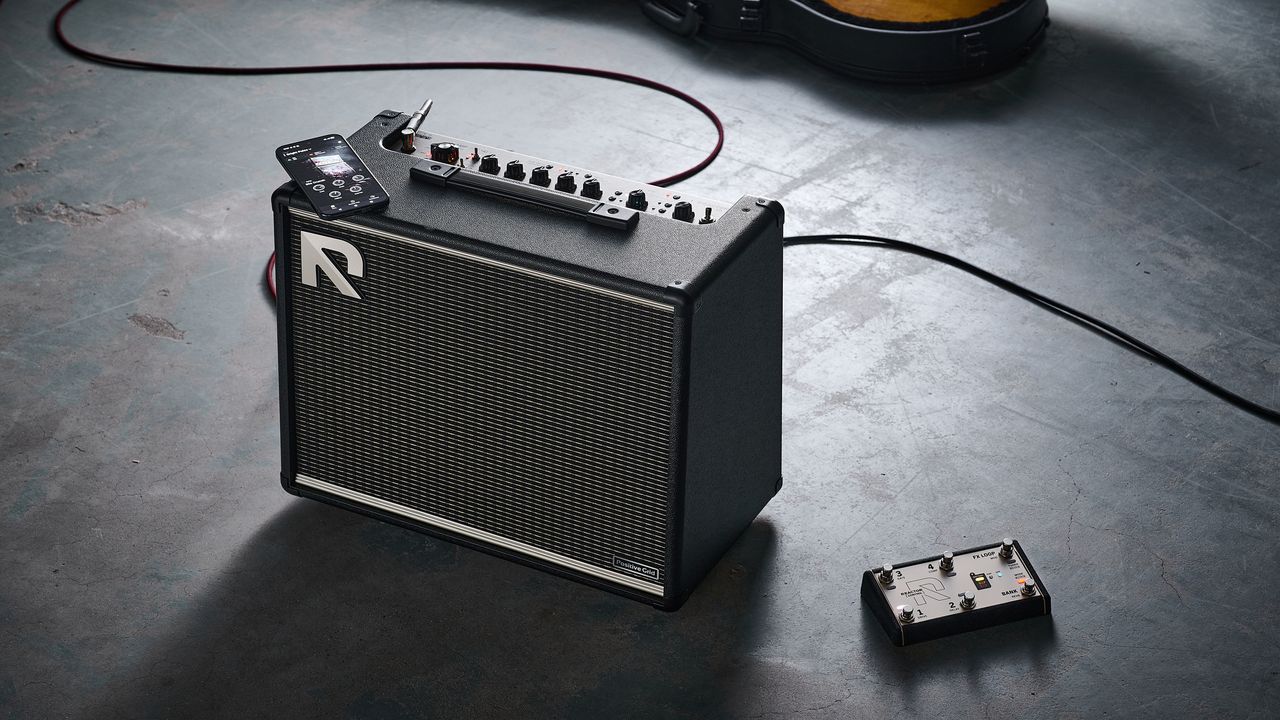
What is it?
At a glance
Launch price: $349 | £349 | €349
Type: Digital combo amp
Output: 50-watts
Speaker: Custom 12"
Buy at: Positive Grid
To say AI is everywhere right now is one hell of an understatement. It’s writing our e-mails, editing our photos, generating unsettlingly convincing videos, and now it has wormed its way into our guitar amps, too.
Okay, before we get into that, let’s rewind to 2019. It’s fair to say that Positive Grid didn’t just enter the practice amp arena; it crash-landed in spectacular fashion with the Spark. Here was an amp so clever, so downright fun, it turned the entire practice space on its head. Since then, Positive Grid has been tinkering away, spinning out multiple Spark variations, from the pint-size Spark Mini to the pocket-sized Go and the gig-ready Spark Edge.
Fast forward to 2026, and the folks at Positive Grid have dropped the Spark moniker for its latest release, in a move that we can only assume is to diversify its lineup a little. The new Reactor is somewhat familiar to those who have used any of Positive Grid’s amps already, but it is different in some pretty significant ways.
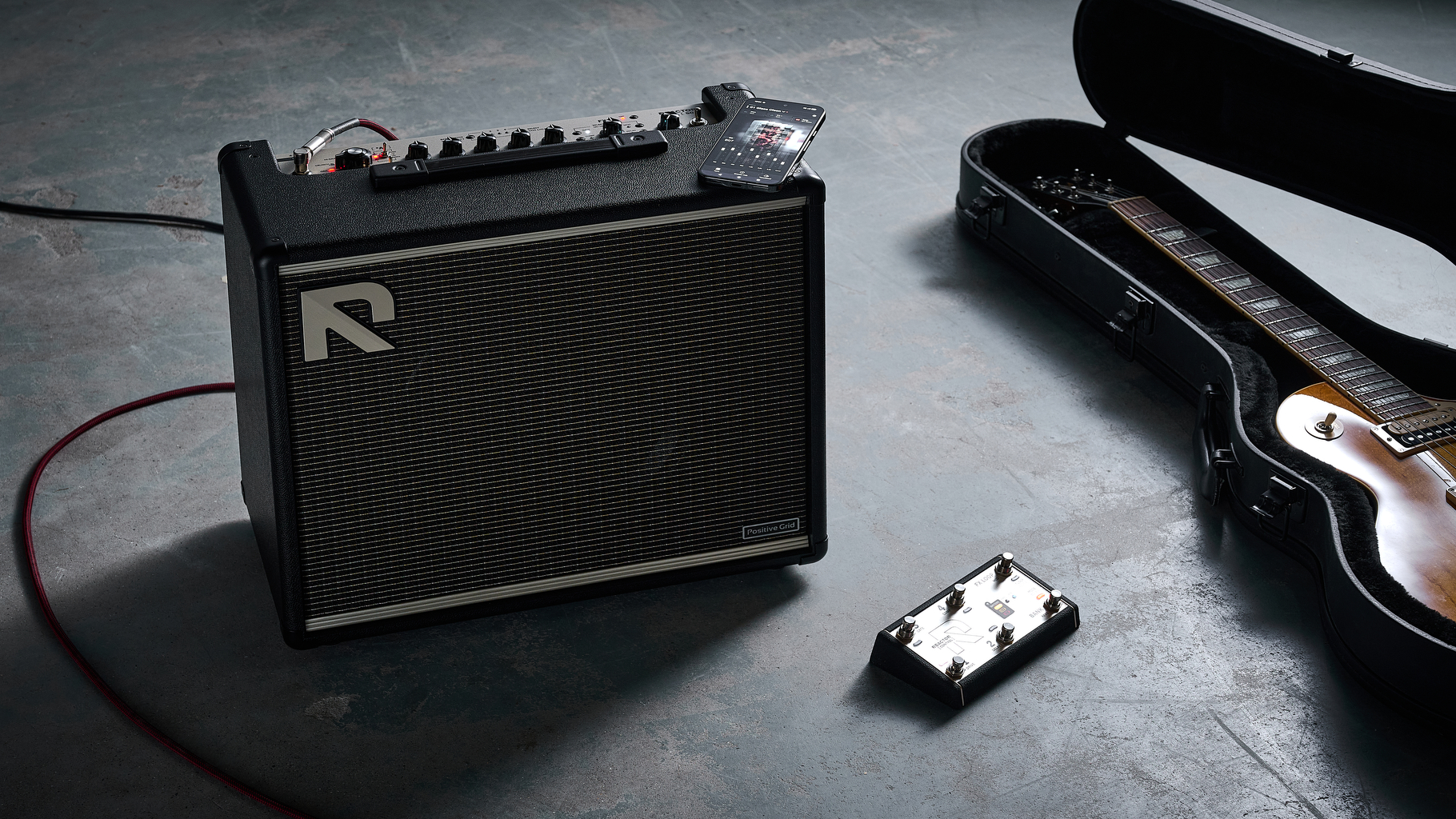
This is Positive Grid flexing its creative muscles and taking a wild swing at the next big thing in digital amplification with a helping hand from AI – because it wouldn’t be a 2026 product release without the mention of Artificial Intelligence, would it? Except in Positive Grid's world, that means Amp Intelligence.
Available in 50W and 100W options, both Reactor models come loaded with custom 1x12 speakers. It’s worth noting that this is not an FRFR, like other Spark models; instead, Reactor features a standard guitar speaker. Both amps can also be switched from full power, 25W, or 1W.
Now, what really sets Reactor apart is its Amp Intelligence (perhaps a phrase the company is pivoting to in order to avoid some of the negative connotations around Artificial Intelligence in the guitar community lately). The company is focusing on something it calls Tone Memory here. The idea is more you play, the more this amp gets to know your style, helping you zero in on your signature sound faster every time.
Like Spark, this new amp runs on an app, but it is its own dedicated application. Where the Spark leans more into practice, Reactor is all about crafting, saving, and sharing tones. Within the Creator Hub, you have multiple ways to generate a tone by describing what you want, uploading a photo, sharing a song, and even asking the app to “fix" elements of your tone you're unhappy with.
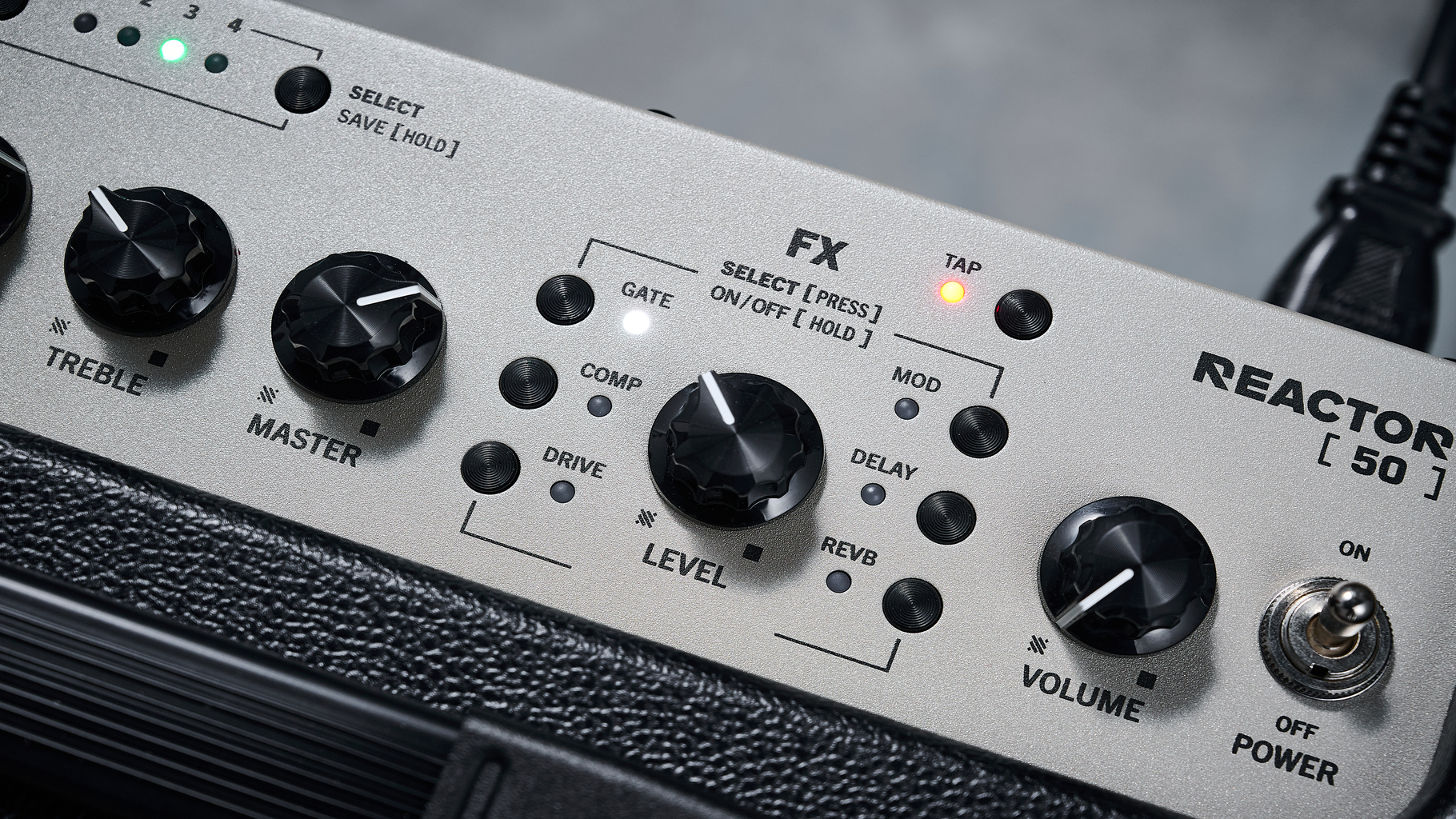
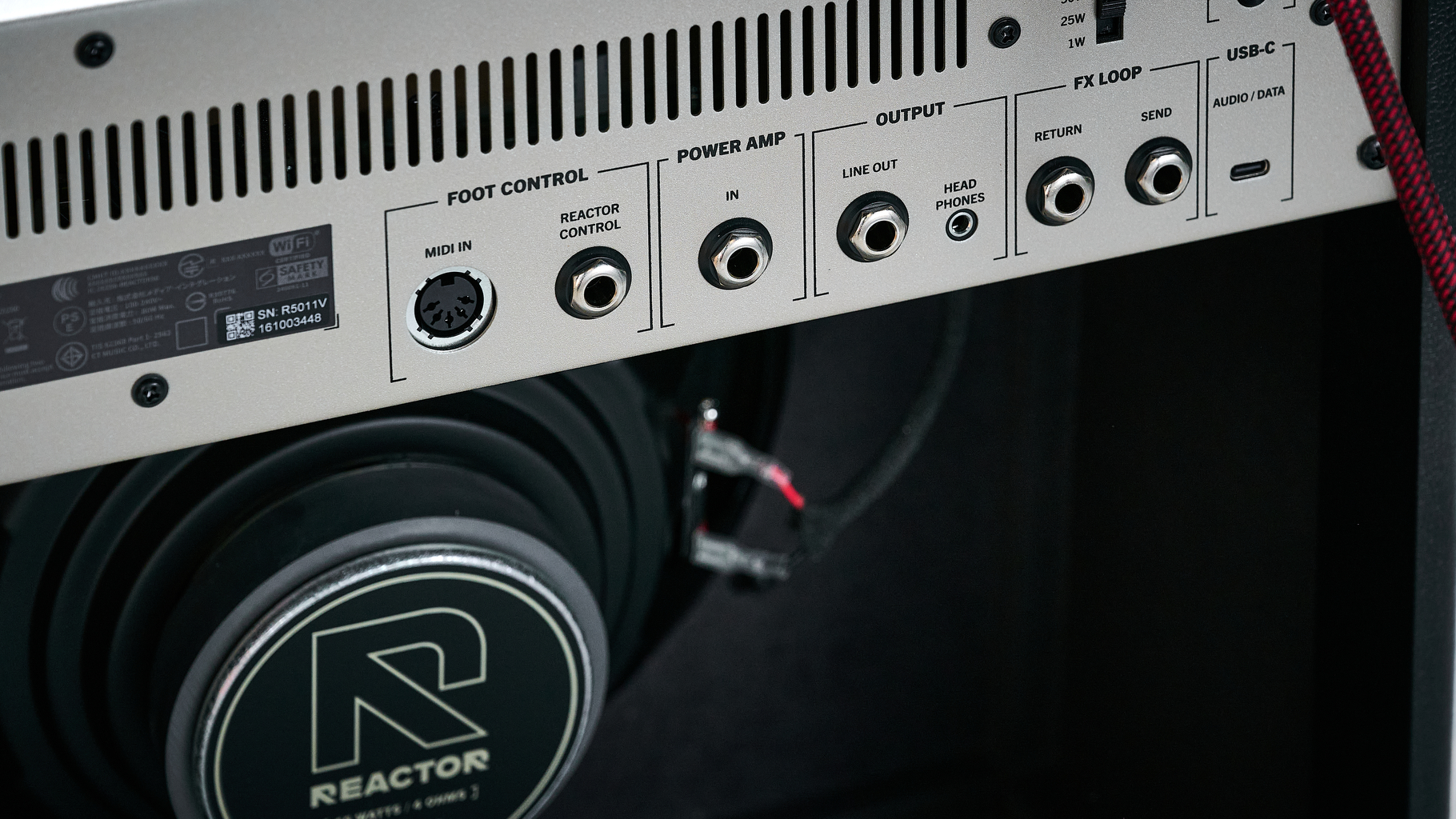
Out of the app, the amp itself features a Boss Katana-esque top panel with a slew of tactile knobs for when you want to get hands-on with your tweaks. The rear panel is packed with everything the modern player wants: USB-C for recording, MIDI, an FX loop, Bluetooth, line-out, and headphones.
On top of that, two unique switches, Push/Smooth and Heat, let you sculpt your tone and gain structure further. Now, if you want to switch patches mid-performance, you’ll want to grab the optional Reactor Control footswitch. This is being sold separately for $149.
Specs
- Launch price: $349 | £349 | €349
- Type: Digital combo amp
- Origin: China
- Output: 50-watts
- Speaker: Custom 12"
- Channels: Clean, Warm, Grit, Crunch, Hi-Gain, Extreme
- Controls: Amp selector, Push/Smooth, Heat, Gain, Bass, Middle, Treble, Master, Effects, Volume
- Connectivity: Guitar Input, Foot Control, MIDI In, Power Amp In, Line Out, Headphones, FX Loop, USB-C, Bluetooth audio, Bluetooth control
- Footswitch: Reactor Control six-button switch available separately for $149
- Weight: 22.9lbs / 10.4kg
- Dimensions: 460x420x200 mm
- Contact: Positive Grid
Build quality
Build quality rating: ★★★★☆
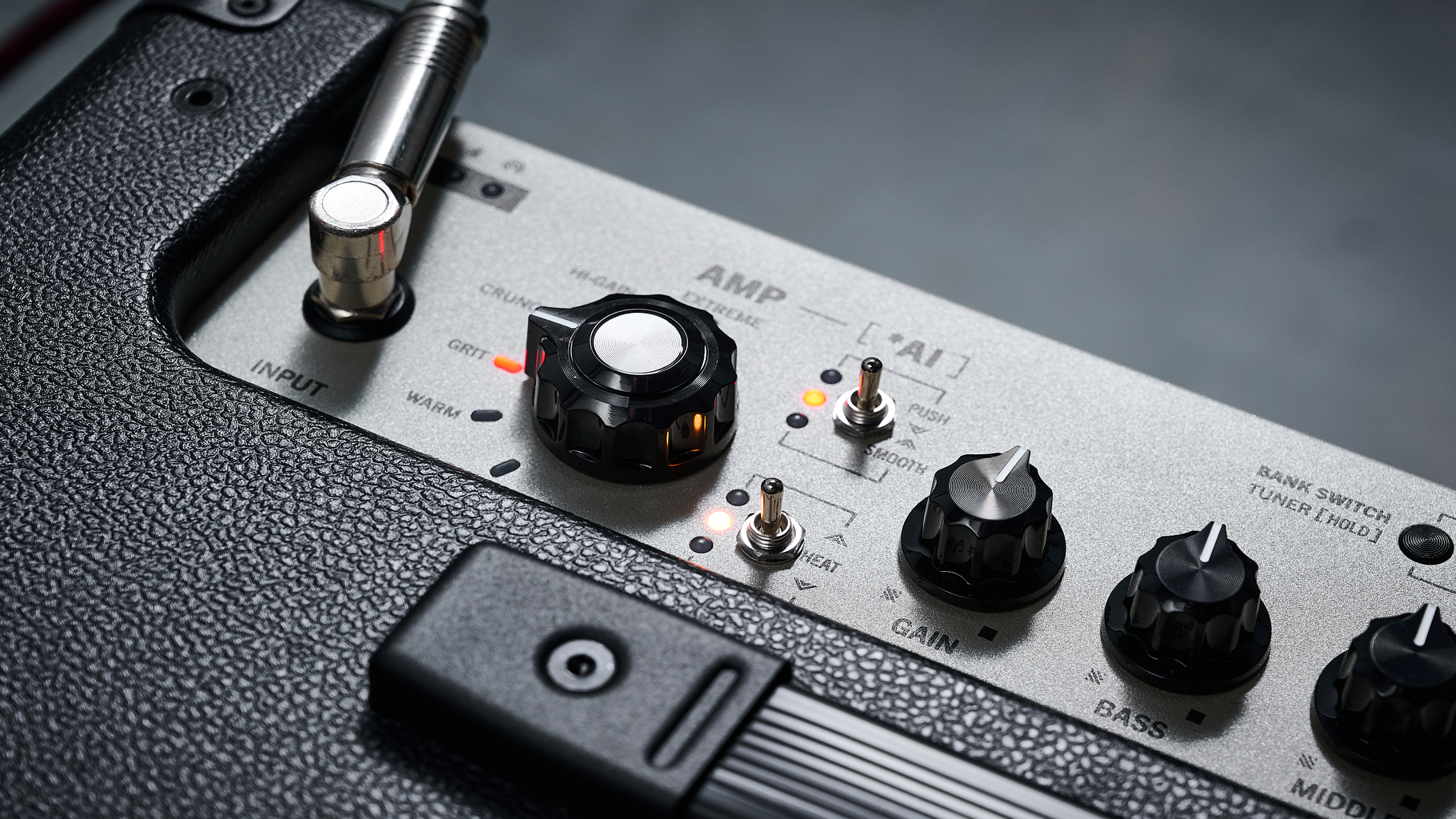
If you’ve handled any Positive Grid amp before, you’ll know the company doesn't really mess around when it comes to construction, and the Reactor keeps that tradition alive. It’s lightweight enough to schlep to rehearsal without breaking a sweat, but still feels solid and robust. The large rotary selector switch for selecting the various channels is stiff and turns with a satisfying click, and the Heat and Push/Smooth switches are equally tactile to use.
The optional footswitch – connected via cable or Bluetooth – balances a rugged dependability with a premium feel. That's just as well for $149. The switches have a smooth, confident action, and the layout’s intuitive enough that you won’t be tap-dancing in a panic mid-gig. Everything here feels like it’s built for the long haul, not just a few bedroom sessions.
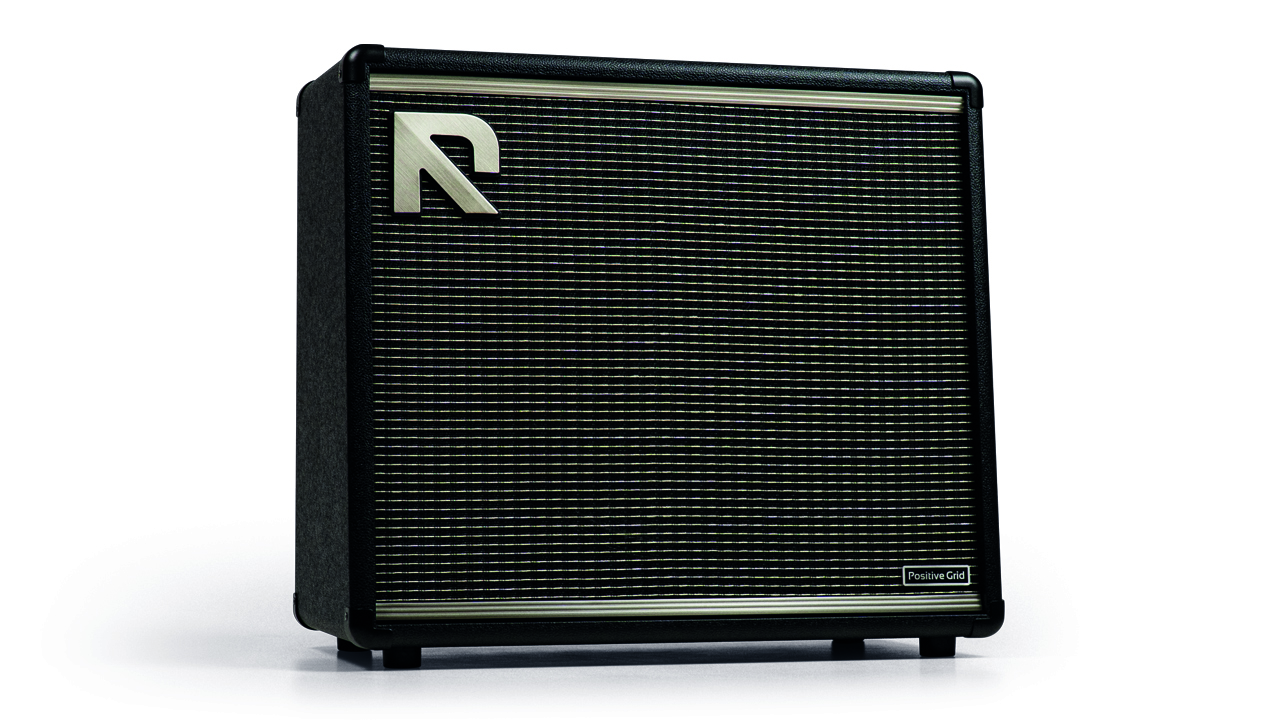
That said, the looks are, well, perhaps controversial. Gone are the sharp red and gold accents of the Spark series; instead, you get a silver “R” badge and a metallic grille that perhaps leans a little too hard into a ‘90s solid-state aesthetic for me. It’s got a sort of Gallien-Krueger vibe. Honestly, it feels a little bland.
What’s more curious is that you have to search for a tiny Positive Grid logo tucked away in the corner. Sure, they want to distance Reactor from the Spark family, but visually, it’s not winning any beauty contests, and I think the majority of players wouldn’t know this was a Positive Grid product just by looking at it.
If you're going to use it live, though, rest assured. If you can get past the looks, I think the Reactor’s build will take a beating from the rigours of venues.
Usability and features
Usability and features rating: ★★★☆☆
The first thing that comes to mind when using this amp for the first time is the ever-popular Boss Katana. The big channel selector knob is clearly labelled, and for the most part, this is an easy amp to navigate, but the effects section can be a little clunky at first. You’ll probably find yourself double-checking which knob does what, at least until muscle memory kicks in.
The app is where things get both wild and a little weird
Each effect has two variants to select from, but instead of a colour change to indicate which one you have selected, here you have a solid colour and a blinking colour. I’ll be honest, that system isn't particularly intuitive for me, and I found myself referring to the manual to try and work it out.
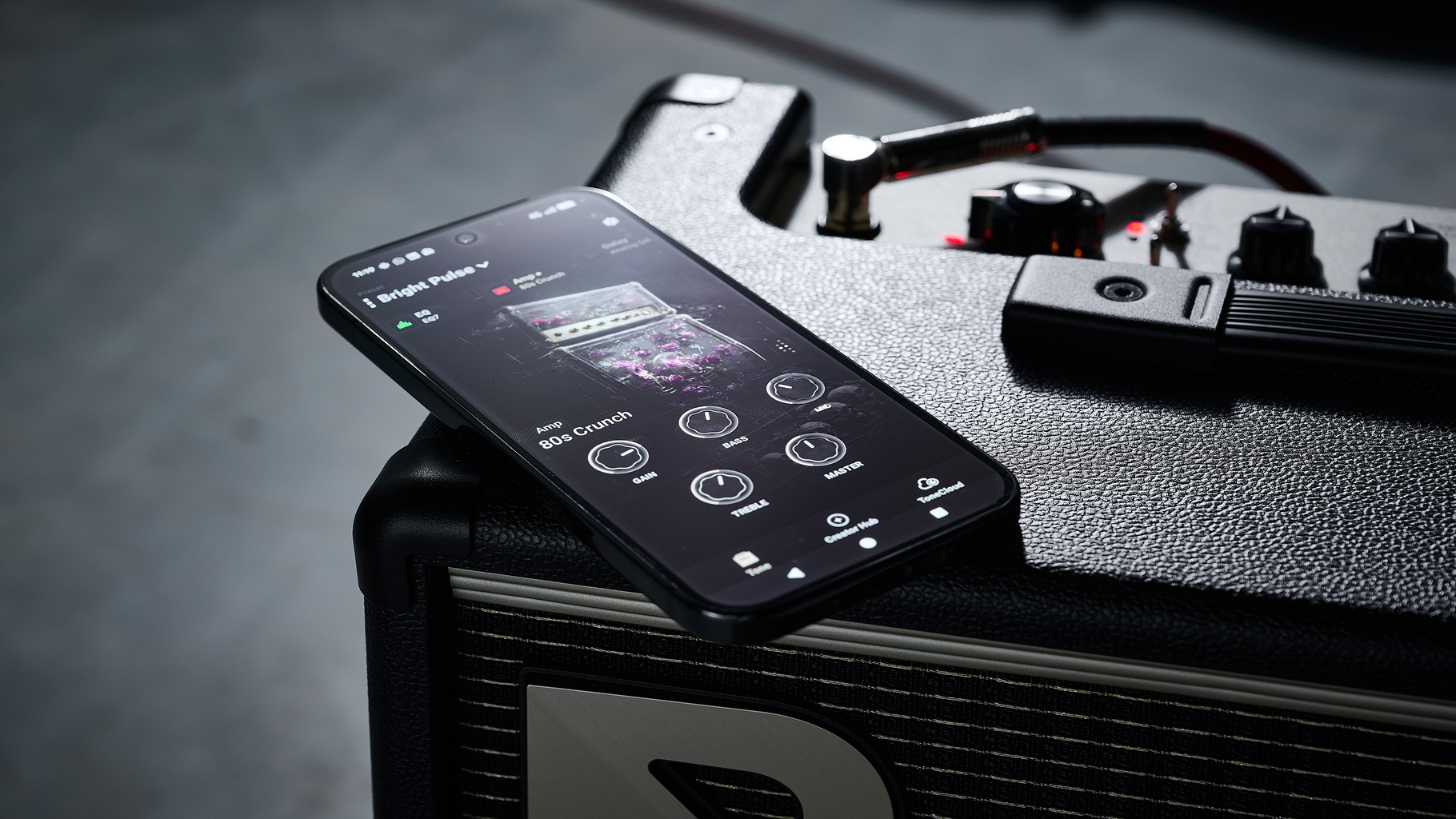
The app is where things get both wild and a little weird. The interface feels like it was dreamt up by an AI art generator from last year. Some of the images look a bit off, and very, well, AI-generated. We have see-through Marshall-style stacks covered in roses, skulls coming out of combos, and cyber punk neon lights; it all feels a little tacky, and in a practical sense, it makes it difficult to understand exactly what style of amp you’ve selected.
As I mentioned before, there are a number of ways to generate a tone, but the one that I was the most excited to try was showing it a photo of my guitar and seeing what it would come up with. Sometimes it nails the model, as it did with my Gibson Les Paul Special, generating a ‘Bogner Blue P-90 Bite’ tone as well as a punk-inspired searing high-gain JCM-800 patch that actually rips.
Other times, the AI hallucinates and just makes up stuff that doesn’t exist. Showing it a photo of the new Epiphone RD, it came up with a fantasy Jackson signature model for Bill Kelliher of Mastodon, and spit out a “Stoner Crush Tone” that sounded more like a wet Marshall with chorus than anything truly heavy.
Using a song for generating a tone yields better, more consistent results. Loading up a couple of Tom Petty classics, the AI correctly gets that I want a clean-ish Fender-style combo with lush reverb and a touch of chorus to give me that faux-12-string jangle. This is where the Reactor could be a great starting point for players, and especially beginners, who want help getting the right tone to play their favourite songs.
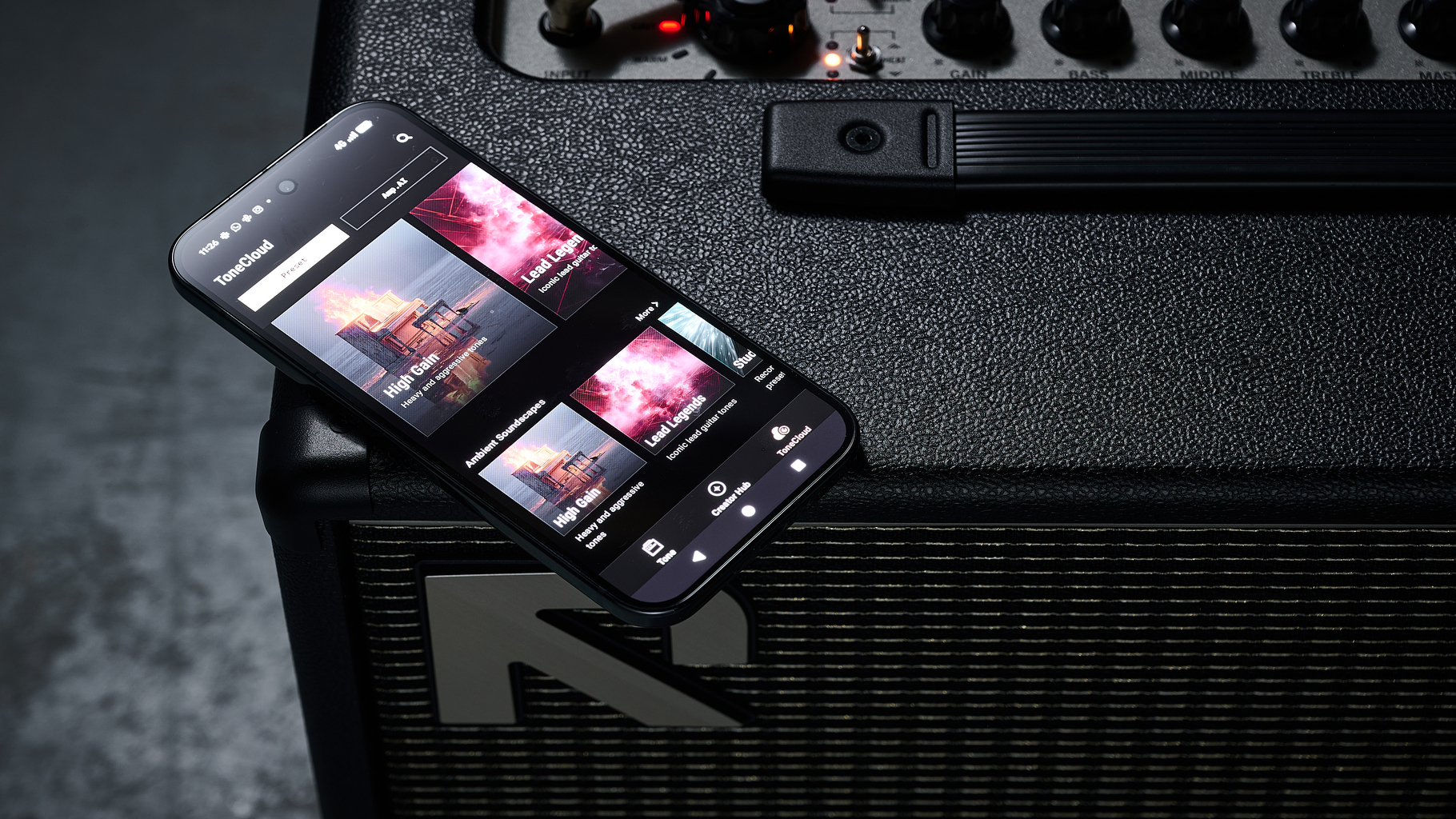
When you tap on the “describe it” tab, you are greeted with a few prompts to help get you started. “A tone that sounds like a relaxing waterfall” is the first suggestion. Of course, I click it. I have absolutely no idea what that could possibly mean.
What is returned is three ambient, crystal clear, clean amps swamped with copious amounts of reverb and delay. I suppose that matches the prompt pretty well.
Having your entire amp built around AI is a bold approach, especially since the technology is still in its infancy, and as such, the AI’s results are a mixed bag. When it’s on, it’s magic. When it misses, you’ll probably just want to dial in your own sound the old-fashioned way.
There’s a learning curve for sure, and the ambition sometimes outpaces the execution. Like any AI, it takes time to learn which prompts work and which don't, but I feel like the learning curve would be eased by a cleaner, easier-to-navigate app. Having clear images of the pedals and amps would make a big difference to the user experience, like, why does the Dyna Comp compression need to be a transparent box with a glowing red heart? Show me a two-knob red compressor, so I know instantly what sound to expect when loading the patch. In my opinion, the app feels a little too chaotic and out there, which distracts you rather than helps you.
As for the Reactor footswitch, it’s a fairly simple and satisfying thing to operate. You can hook it up the traditional way with a cable, or if you want to feel like you’re living in the future, it also works with Bluetooth MIDI for wireless use. You can have it in one of two modes. Preset Mode allows you to switch between your favourite tones saved in your banks, or Effects Toggle Mode enables you to run it like a pedalboard, where you can turn on and off effects at will. It’s just a pity that it’s sold separately.
Sounds
Sounds rating: ★★★★☆
The high-gain models in particular are absolute standouts
Once you wrangle your way through the app menus and AI hijinks, the Reactor actually sounds fantastic. Like the Spark, there’s a ton of great tones in this box, everything from sparkling cleans to gnarly high-gain dirt, all with that familiar Positive Grid polish. The high-gain models in particular are absolute standouts, keeping up with the best of the digital crowd.
The amp selector knob at the start of the control panel cycles through various amp modes, starting clean and working its way to the Line 6-esque Extreme setting. I must say, I like this approach a lot, and the Grit setting with the Smooth switch pressed and Heat setting three engaged is delightful. It's well, reactive, dynamic and just plain fun to play through and even better with a touch of reverb.
Moving away from the hardware and over to the app is a different story. Yes, there's a lot of sounds to choose from, but a lot of those killer tones are buried behind an ambitious AI system that sometimes feels more like a hurdle than a helper. Navigating through layers of preset folders and tone suggestions can get needlessly complicated, especially if you’re just trying to grab a quick, classic rock crunch or bluesy edge.
Still, it’s hard to stay mad when the amp actually delivers. BIAS fans will feel right at home with the tones at least, and the overall tonal quality is every bit as good as what you’d expect from Positive Grid’s top-tier Spark series. Annoyingly, you’ll find yourself wishing the interface just let you get to the goods a little quicker, but if you’re willing to put in a few extra minutes, there’s a goldmine of usable, gig-worthy tones here.
The effects are top-class too. Again, like the Spark, you have an abundance of stomps you can switch in and out, from utility essentials like gates and compressors to drive pedals, delays, modulation, and even a programmable wah pedal – and they all sound ace. Genuinely, the effects here give most of their competition a run for their money.
I do need to mention that while it looks like there is only one reverb available on the app - in stark contrast to the nine pedals available with the Spark app - there are actually multiple to choose from under the mode dial. You can choose from Room Studio A, Room Studio B, Chamber, Hall Natural, Hall Medium, Hall Ambient, and a collection of Plates. What is noticeably missing is a decent Spring, but we can live with that.
Double-tapping the effects icon in the app gives you access to different options. For example, with the drive section, you can choose from an OB Drive to a Rat Distortion and my personal favourite, the Big Muff. It is worth noting that the photos of the pedals are again AI-generated and look pretty horrendous. The Rat clone has a literal nose and teeth, while the Muff Fuzz looks like the inside of a Hoover bag. This is perhaps something Positive Grid can address over time.
Verdict
When the app’s AI gets it right, it’s genuinely impressive, but when it misses, you’re left scratching your head as it conjures up fantasy gear or nonsensical patches
A gig-ready combo with a Katana-like layout and a handpicked set of Positive Grid’s greatest hits should’ve been a slam dunk. On paper, the Reactor ticks nearly every box. It’s portable, roadworthy, stacked with tones, and ready to slot straight into rehearsal or the stage. But what could have been a breakthrough is instead tripped up somewhat by its own ambition right now, saddled with an AI-powered app that pulls focus away from what it does best.
Of course, the hardware itself is hard to fault. The tactile knobs and rugged footswitch are built for more demanding gigging scenarios, not just bedroom noodling. Sure, the visual style might be divisive, and the branding’s a head-scratcher, but once you plug in, those gripes fade away.
The core issue is the app right now, which tries to be your sonic sherpa but too often leaves you scrambling through menus and oddball AI art in search of the tones you want. When the app’s AI gets it right, it’s genuinely impressive, but when it misses, you’re left scratching your head as it conjures up fantasy gear or nonsensical patches. There could be real magic here, but it’s buried beneath layers of novelty and a learning curve that some players simply won’t tolerate.
What’s more annoying is that sound-wise, the Reactor absolutely delivers. The amp models and effects are as good as anything in Positive Grid’s arsenal. The high-gain options are standouts, and there’s a goldmine of usable patches if you’re willing to dig. The effects roster covers everything from basics to boutique, and the tactile controls mean you can still go old-school and dial in with your ears, not your thumbs.
The Reactor is an amp with real potential, offering killer sounds and a robust chassis in a compact package. But with an app that’s more of an obstacle than an asset, Positive Grid’s bold leap into AI perhaps proves that the technology hasn’t quite caught up yet. Fix the interface, and this could be a modern classic, but as it stands, it’s a glimpse of the future that’s not quite ready yet.
MusicRadar verdict: A killer-sounding, road-tough amp that’s currently hampered by a clunky AI app, which is brilliant in flashes but not quite the revolution it wants to be. Fix the interface, and the Reactor could be a winner, but for now, it’s a rare work-in-progress for Positive Grid.
Test |
Results |
Score |
|---|---|---|
Build quality |
Rugged and lightweight, the Reactor 50 is ready for the road as well as home practice. Okay, it doesn’t look the best, but it feels robust. |
★★★★☆ |
Usability and features |
Intuitive enough hardware, but the AI app complicates things – and worse yet, the app doesn’t always deliver what’s promised. |
★★★☆☆ |
Sounds |
Impressive, versatile tones with standout effects if you’re willing to dig around for them. |
★★★★☆ |
Overall |
A promising amp that’s held back by its over-ambitious software for now. |
★★★½ |
Also try
Hands-on videos
Positive Grid
- Best practice amps : the best amps for guitar practice