
What you need to know
- Android's native support for AirDrop is expanding, with Pixel 9 and 9 Pro already gaining cross-platform sharing support.
- Google plans a wider rollout to more Android phones, including devices from partners like Samsung and Nothing.
- Google previously confirmed this is not a temporary workaround, and AirDrop compatibility is being built as a core Android platform feature.
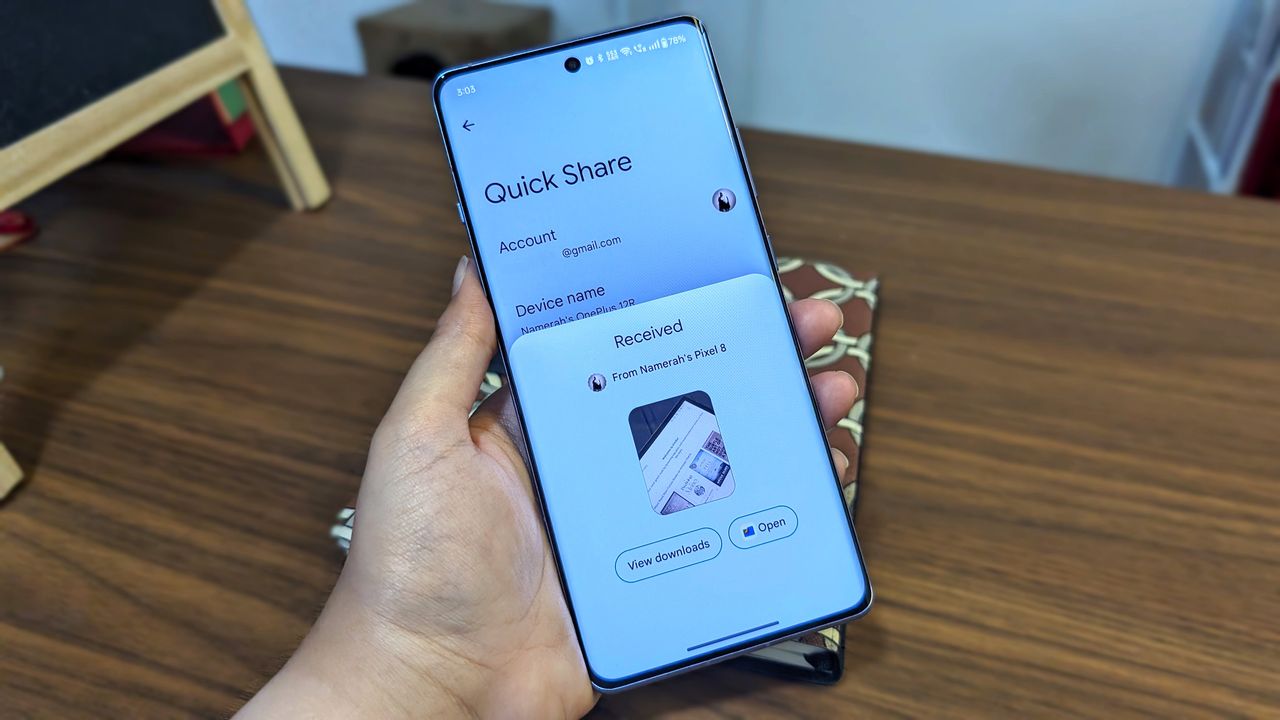
If you’ve ever tried to send a photo from your Android phone to a friend’s iPhone, you've probably used a third-party app like WhatsApp or Google Photos, which made sharing feel awkward. That hassle is finally coming to an end. In November 2025, Google surprised everyone by making AirDrop work with Android, but at first, it only worked on the Pixel 10 series. Now that exclusivity is ending.
For the first time, Android users could send photos, videos, or documents to an iPhone or Mac without using third-party apps or complicated steps, thanks to the new interoperability.
However, there were some limits. When it launched, Quick Share only worked with AirDrop on Pixel 10 phones, and only if both devices were discoverable, with Apple devices set to 'Everyone for 10 minutes.' Earlier this month, though, the feature appeared in an Android Canary build, and Pixel 9 and 9 Pro phones are also set to receive support.
From Pixel exclusive to Android standard
At a recent press briefing in Taipei, Eric Kay, Google’s VP of Engineering for Android, confirmed that AirDrop support through Quick Share will not remain exclusive to Pixel phones, as per Android Authority. The company has shown that the technology works and plans to bring it to other Android devices soon. This includes not just older Pixels, but also a much wider rollout with other partners and manufacturers.
It’s important to note that Google is treating this as a platform-level upgrade, not a workaround. Quick Share’s ability to work with AirDrop is not a shortcut or a temporary fix. Google says it built the feature with security as a priority, working with independent auditors and using trusted protocols behind the scenes.
So what’s next? Android users should expect this feature to expand beyond Pixel phones over the coming months. Samsung, Nothing, and other OEMs have already hinted they’re interested, and with events like MWC and Galaxy Unpacked on the horizon, Google has plenty of stages to walk this through.
Android Central's Take
As someone who’s juggled phones from both sides of the divide, I see this as one of the most consumer-friendly moves in tech in years. For too long, companies have used ecosystem lock-in to keep users stuck, making things less convenient. Google’s push to make Quick Share a universal bridge, not just a Pixel trophy, is a powerful statement that interoperability should be the default, not the exception.
This change gives users more choice. Now, you can choose a phone for its hardware, software, or price, instead of worrying about whether you can send a photo to your sister. It removes a common frustration, which is how technology should work. The real win isn’t for Android or Apple, but for anyone who just wants their devices to work together easily.