
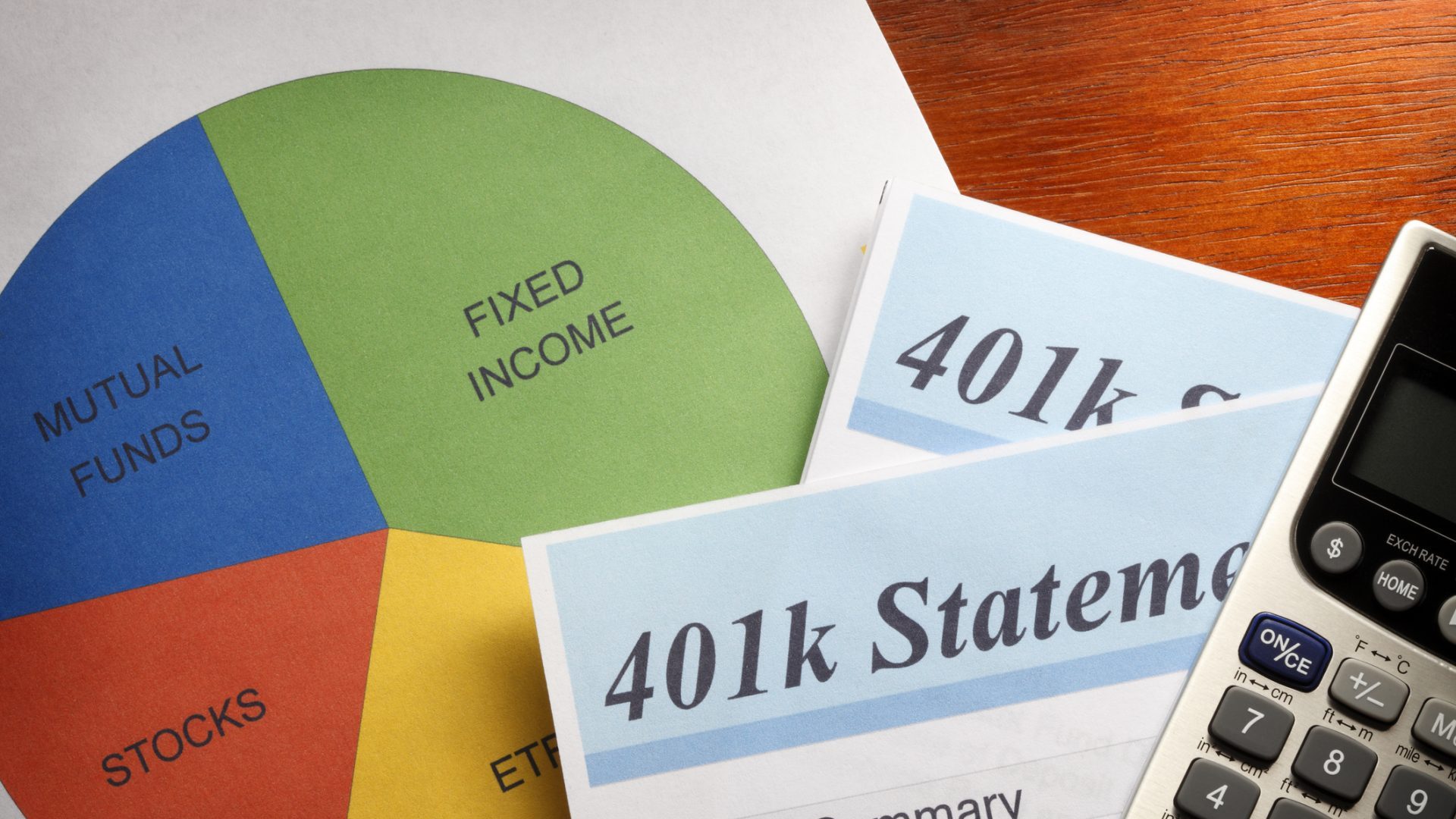
Ever since the 401(k) option was added to the American tax code in 1978, the employer-sponsored retirement savings plan has been a foundational element of any smart investment portfolio and a crucial financial safety net for most retirees’ golden years.
However, some retirees are discovering that a robust 401(k) balance can actually cost them money — specifically, higher taxes on Social Security benefits. Read on to learn more.
Check Out: Major 401(k) Change Coming in 2026 — High Earners Must Act Now
See Next: 8 Clever Ways Retirees Are Earning Up To $1K per Month From Home
Attack of the ‘Social Security Clawback’
According to a recent analysis from 247WallSt, retirees who have more than $800,000 held in their 401(k) accounts could find themselves prey to higher taxes. Essentially, required minimum distributions (RMDs) for taxpayers over the age of 75, when combined with Social Security benefits, can push a retiree’s income to a point where 85% of those Social Security benefits become vulnerable to taxation — what 247WallSt calls the “Social Security Clawback.”
Trending Now: 6 Key Signs You’ll Run Out of Retirement Funds Too Early
How To Avoid Surprise Social Security Taxes
David Beren of 247WallSt has recommended that retirees execute Roth conversions during the period between when retirement starts (typically around age 65) and when RMDs being (roughly a decade later) and to do so at lower marginal tax rates. This can lower future RMDs, thereby lessening Social Security taxation.
Evan Mills, financial analyst at Scholar Advising, agreed when speaking to GOBankingRates. “The best thing to look at is Roth conversions, taking money from those pretax accounts and moving it into Roth. That’s going to lower your RMDs in the long run,” he said.
“Now once you’re in RMD years, it becomes a little different. At that point, if you’re able to, something like Qualified Charitable Distributions (QCDs) can help. You’re sending those RMDs directly to a charitable organization, which lowers your taxable income and that can help reduce how much of your Social Security is actually taxed,” Mills explained.
“Another piece of it is asset location,” Mills added. “You generally want lower growth assets sitting in those pretax accounts to help keep RMDs lower over time. And then your higher growth assets, those are better suited for Roth accounts or even taxable accounts, where capital gains treatment can be more favorable than ordinary income. That helps control the impact of RMDs over the long run.”
More From GOBankingRates
- 5 Tax Loopholes the Ultra-Wealthy Use That Most Americans Don't Know About
- I'm an Accountant: 6 'Big Beautiful Bill' Tax Changes That Will Benefit the Middle Class
- 6 Safe Accounts Proven to Grow Your Money Up to 13x Faster
- 7 Luxury SUVs That Will Become Affordable in 2025
This article originally appeared on GOBankingRates.com: The 401(k) Trap: How Retirees With High Savings Are Getting Hit With a Surprise Tax — and How To Avoid It