
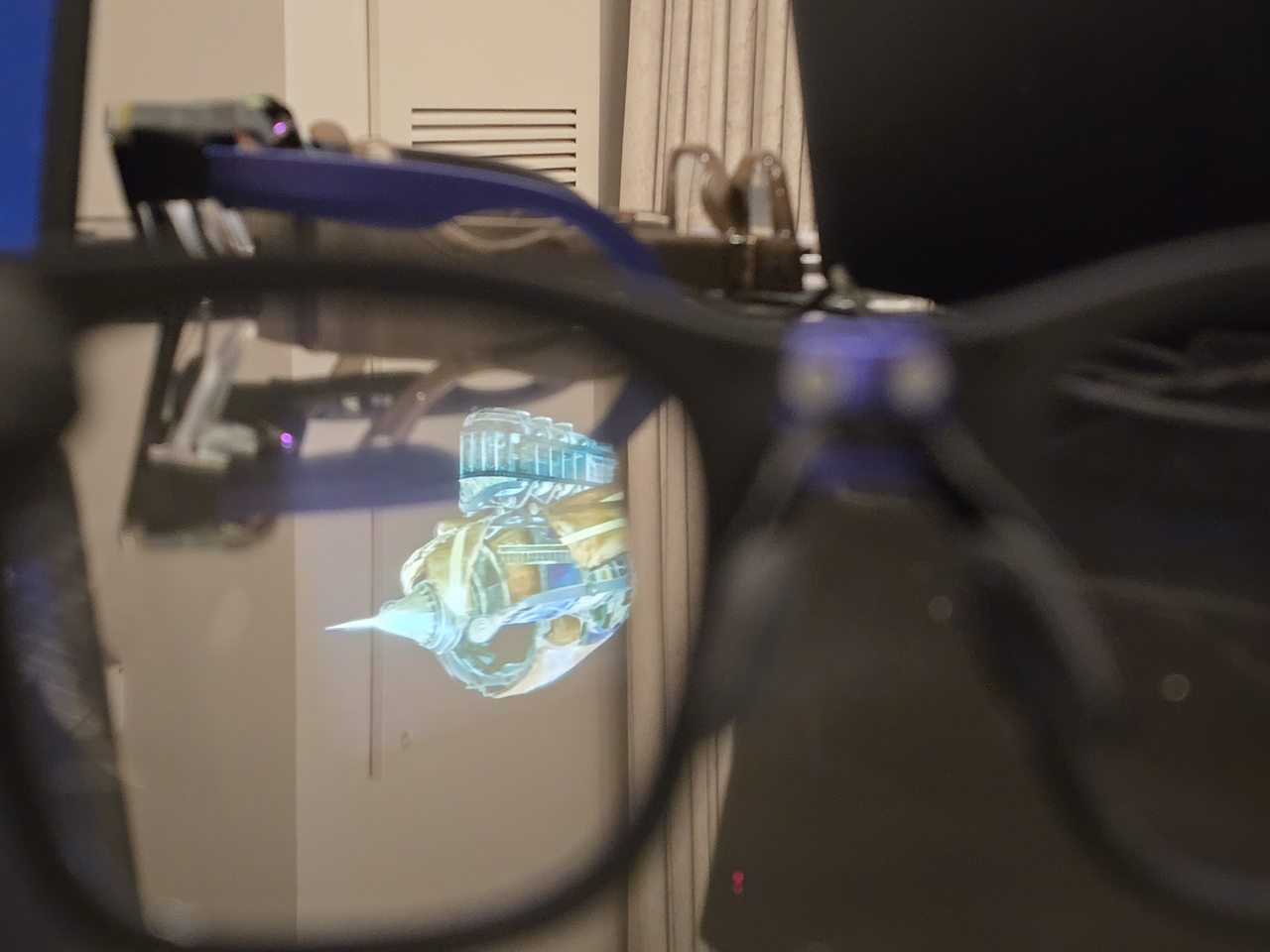
The CES tech spectacle is always a glimpse at the future. But this morning, in an ordinary hotel suite in Las Vegas, I took a first-hand look at it. The spectacles, that is.
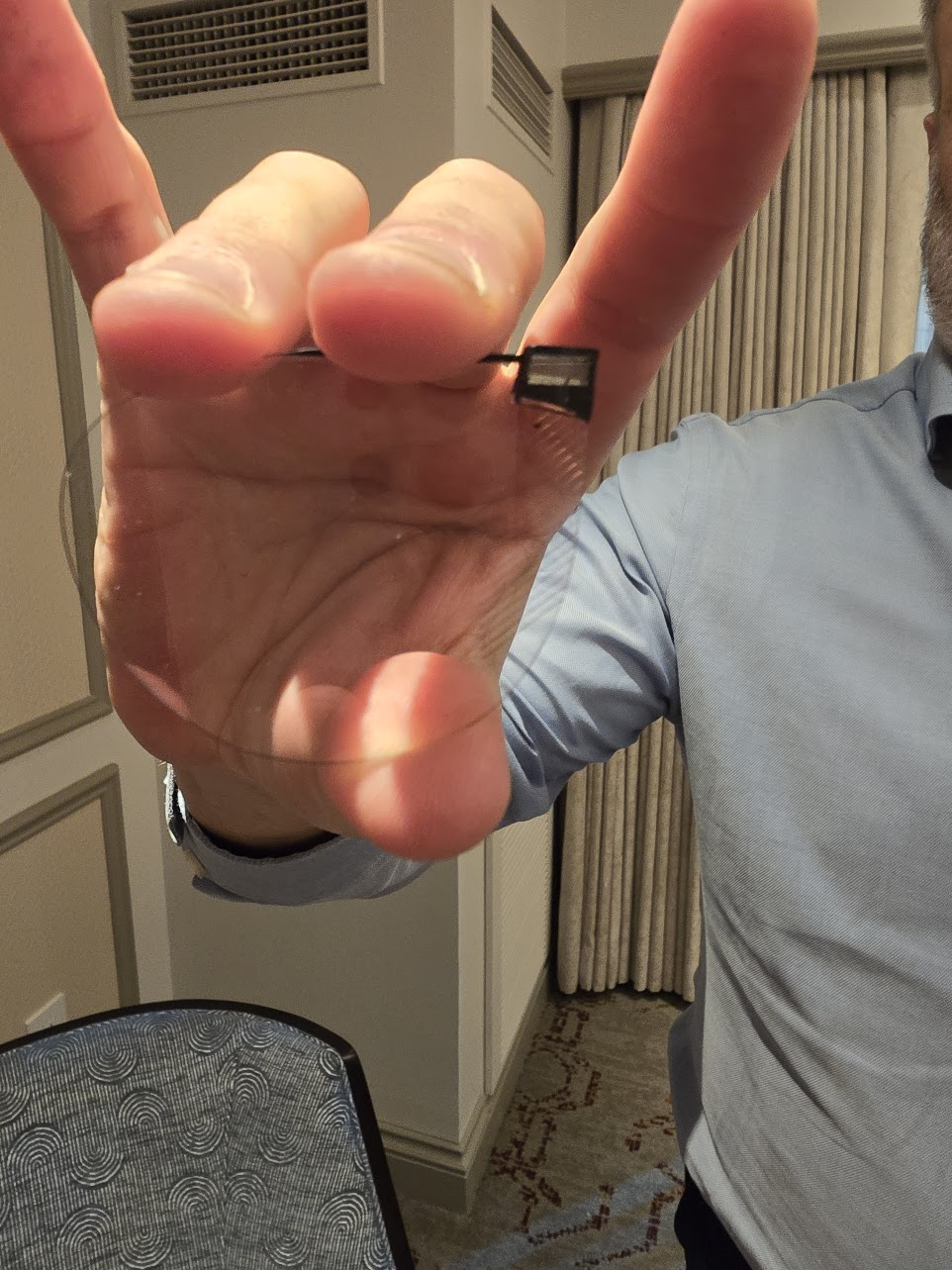
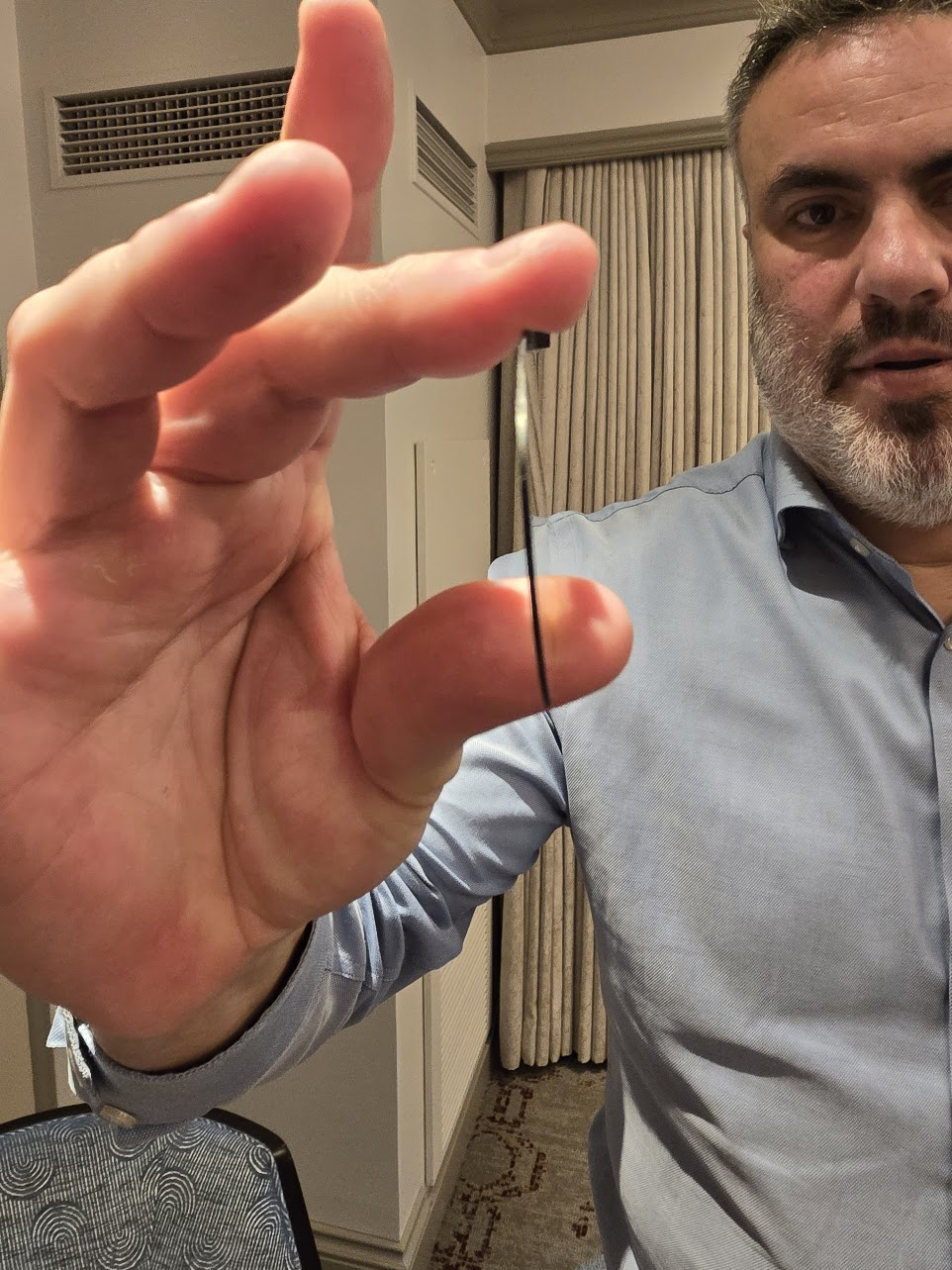
Lumus is the pioneering Israeli company behind geometric waveguide tech – partially reflecting mirrors that are embedded in regular lenses. While VR headsets are immersive, they’re often heavy, and hard to imagine wearing for more than an hour or two. In contrast, Lumus transforms the ordinary lens in your eyeglasses into full-color displays capable of moving images that dance right before your eyes.
I met Lumus almost exactly three years ago, and was blown away at the time by the tech. Meta’s Ray-Bans are the product that finally emerged from that demo I saw in 2023; but the Ray-Bans have a field of view that’s only 20 degrees. Sure, the AR glasses are cool, but the tech only fills a small portion of the screen.
Today, Lumus announced an updated version of its lens, expanding the field of view to 20 degrees, as well as the Z30 2.0, the next-generation version of its waveguide product, with a whopping 70-degree field of view.
On a table before me were three different prototypes, each with wires and cables protruding from the stems and connected to computers like a printer or a scanner. Held together with masking tape, they were clearly extremely costly early prototypes. With a prayer for steady hands, I put one on and instantly floating sugarplums danced before my eyes: full color videos, giant photographs and cartoons, tiny type that was still perfectly legible, and more. Heck, you could probably game on these things.
“And we haven’t even optimized it yet,” Dave Goldman, VP of marketing for the Israeli-based Lumus, joked with me. “This is the worst it will ever be.” If this is the worst, the future looks very bright indeed. The new lenses are capable of 8,000 nits to the watt, a measure of efficiency that essentially means it’s very bright – readable in daylight, in other words.
One nifty by-product of the waveform tech is discretion: While I could perfectly see the images before me, you can’t: Another person looking at you simply sees someone in glasses. You’re the only one looking at the Matrix, in other words.
Beyond improving the tech, Lumus is working to reduce the thickness of its lenses – sorry, waveguides – to enable lighter, thinner glasses.
“That’s the future for us – making these waveguides thinner, lighter, and easier to produce,” Goldman said. And the future looks bright indeed.