Thailand has tightened Ebola screening measures for people arriving from the Democratic Republic of Congo and Uganda, announcing a strict quarantine of 21 days even for asymptomatic travellers.
The measures came after the WHO declared on 17 May that the Bundibugyo strain of Ebola, for which there is no approved vaccine or treatment, amounted to a public health emergency of global concern.
Thailand has since classified Congo and Uganda as Ebola-affected zones and a technical committee advising the Department of Disease Control has advocated quarantine measures for asymptomatic individuals arriving from the two African nations.
The department’s director, Dr Montein Kanasawadse, said the outbreak in Congo was showing signs of worsening, prompting several countries to tighten their surveillance measures, especially for travellers from high-risk areas, The Nation reported.
WHO chief Dr Tedros Adhanom Ghebreyesus said earlier more than 900 suspected cases of Ebola had been identified so far in Congo and as many as 101 had been confirmed.
As of 22 May, Thailand had recorded eight arrivals from Uganda and two from Congo. The travellers were all asymptomatic but they were placed in quarantine for 21 days as a preventive measure.
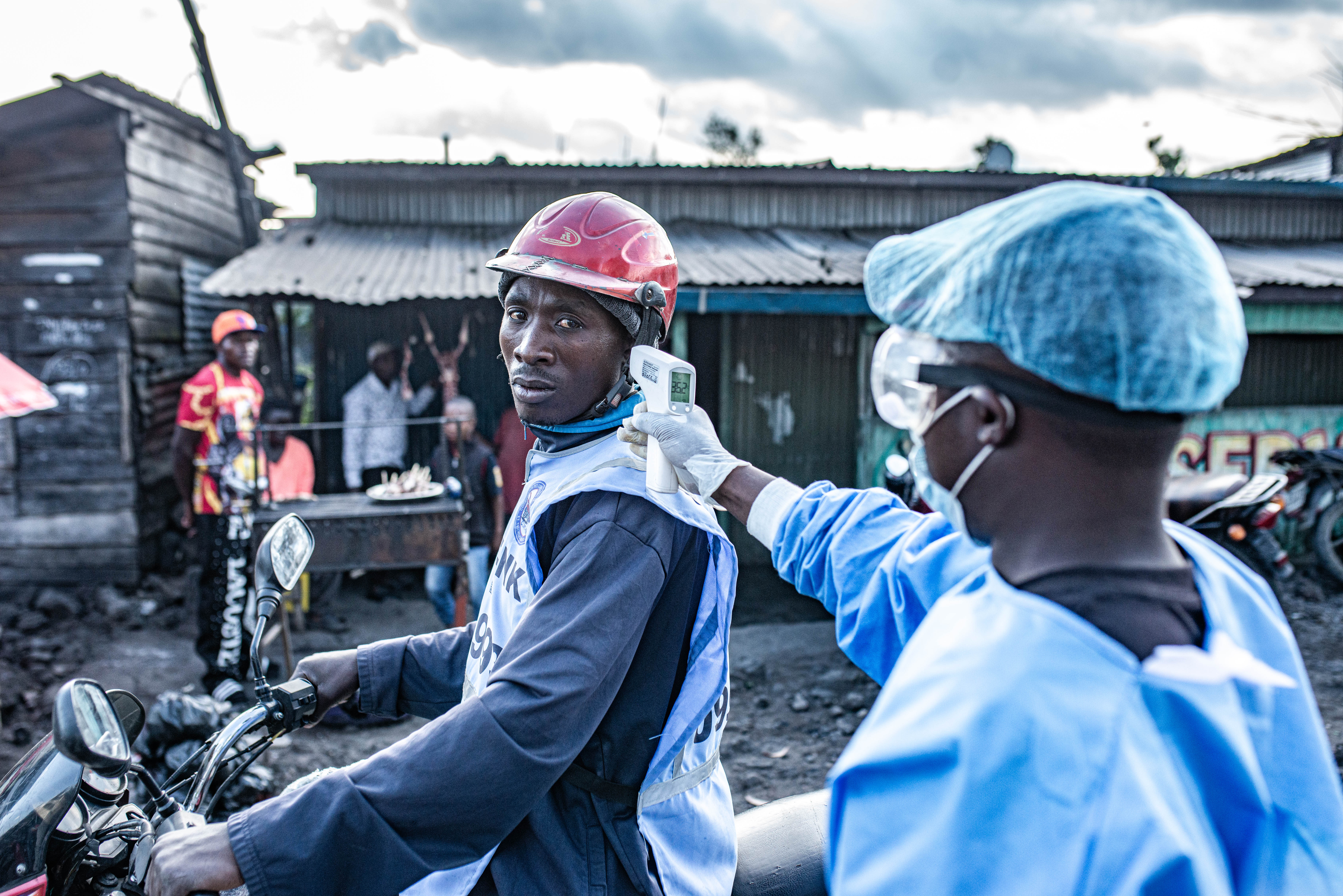
In Congo, meanwhile, three Red Cross volunteers died after contracting Ebola, likely from handling infected bodies.
They are among the first known victims of the outbreak in the African country.
The volunteers, identified as Ajiko Chandiru Viviane, Sezabo Katanabo and Alikana Udumusi Augustin, likely contracted the virus during dead body management activities in March as part of a humanitarian mission unrelated to Ebola, the International Federation of Red Cross and Red Crescent Societies said in a statement.
At the time, the latest outbreak had not yet been identified.
They had volunteered in Ituri province in the northeast and died on 5, 15 and 16 May, respectively, the federation said.
“These volunteers lost their lives while serving their communities with courage and humanity,” it added.
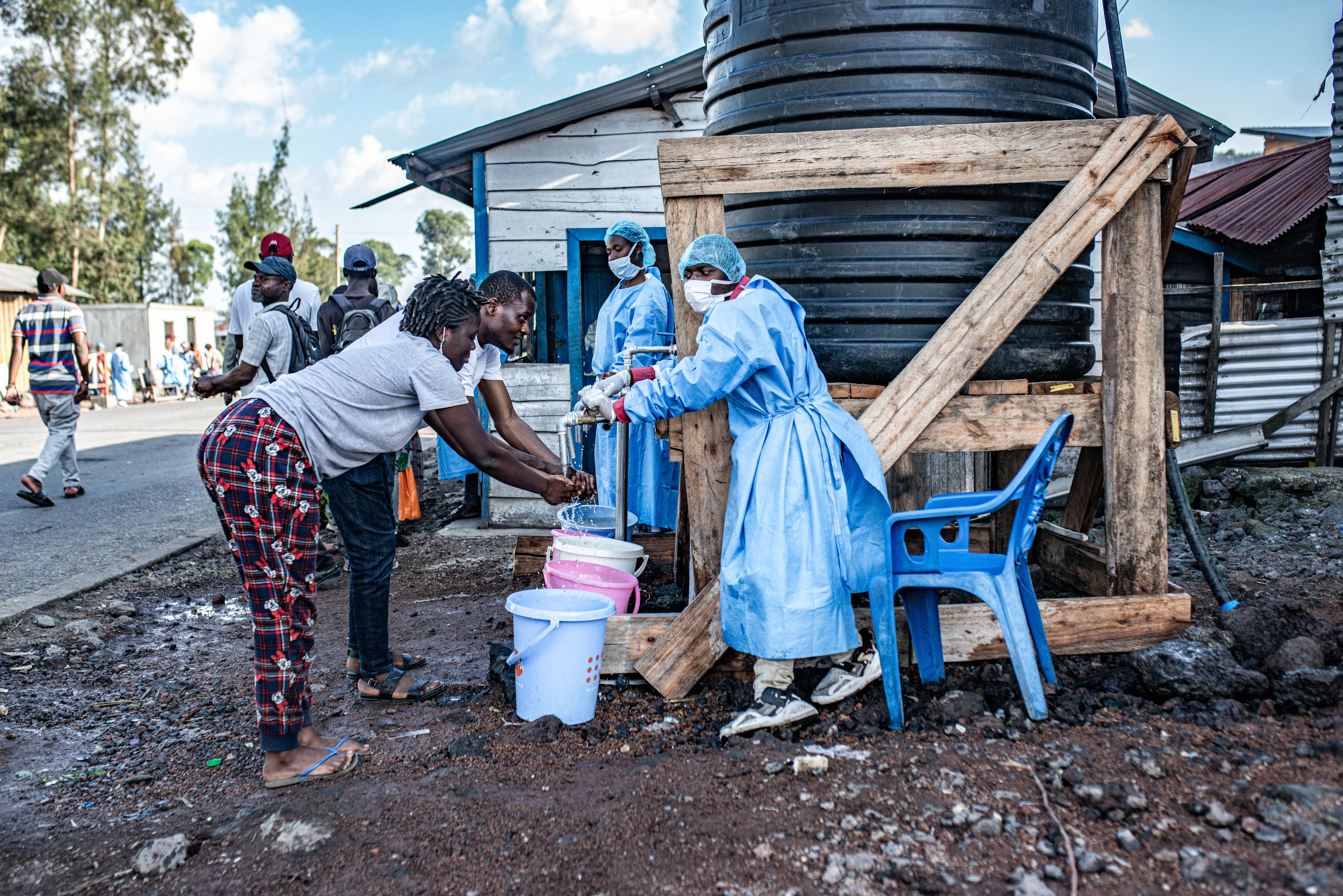
Bodies of Ebola victims are highly infectious and unsafe burials – where family members handle the body without proper protective equipment – are a leading driver of transmission.
The Red Cross says its people on the ground are working to avoid this. It also says volunteers are now going door-to-door to combat misinformation about Ebola in the area at the centre of the outbreak in the Congo.