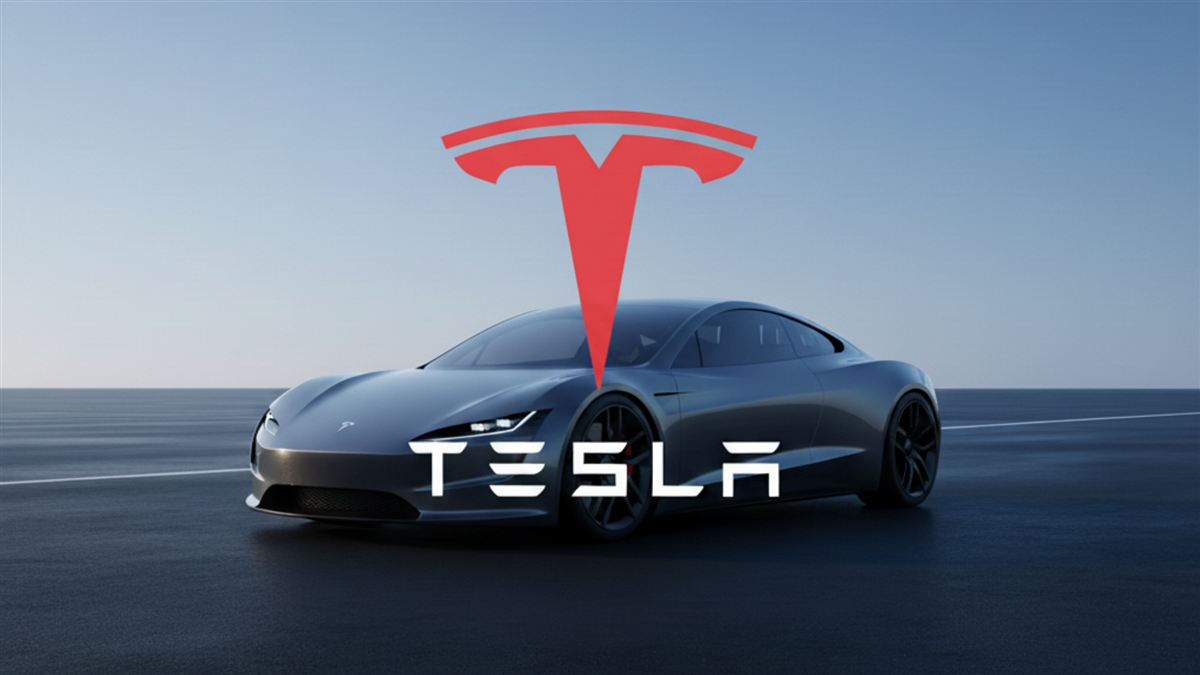
Last week, it was reported that Tesla Inc (NASDAQ: TSLA) had produced its final Model S and Model X vehicles at its Fremont, California factory, drawing the curtain on 14 years of Model S production and 11 years of Model X production.
It won’t have come as a big surprise, given CEO Elon Musk had guided that this would happen back in January, describing the two models as being due for an "honorable discharge," but seeing it actually happen is something else. For a company built on the back of those vehicles, it's the kind of milestone that gives pause for thought.
And yet, the more you look at what Tesla is pivoting toward, the harder it becomes to frame this as anything other than a deliberate and confident bet on the future. The Fremont factory, for example, isn't just going dark. Tesla plans to convert it into an assembly plant for Optimus, its much-lauded humanoid robot project, with Musk suggesting recently that production could begin before the end of the year. That’s a pretty clear message to send, and it effectively says that Tesla is going all-in on its next growth chapter.
However, with the stock currently trading back below $410 as it fights to hold onto its gains over the past six weeks, investors are right to wonder what all this means for Tesla’s prospects. This pivot isn’t exactly new news either—so has it already been priced in, or is there still real upside ahead? Let's jump in and take a closer look below.
The Pivot Is Real, and the Numbers Are Starting to Reflect It
What's easy to miss in the noise around Tesla's transformation is how much of it is already generating tangible momentum rather than simply forward-looking hype. For example, its Full Self-Driving (FSD) subscriber count is growing more than 50% year over year, a pace that matters not just for the revenue it generates but for what it says about the product itself. Users are staying on the subscription, indicating the technology delivers enough value to keep them paying month after month.
On the robotaxi front, consumer response has been solid, and the company is looking to expand into more cities, with Cybercab production confirmed to begin later this year. Beyond the world of automobiles, Tesla’s energy storage business has started to become a meaningful contributor to revenue, and its high margins bode well for the company’s growth prospects.
Far from being speculative lines on a slide deck, which many of them might have been just one year ago, these units are generating real revenue right now, and it’s hard not to be excited about their future.
Tesla’s robotic humanoid initiative, Optimus, sits a little further out on the timeline, but the conversion of Fremont to robot production is as concrete a statement of intent as any company can make. If even a fraction of the market projections for industrial robotics materialize, the revenue potential would be significant.
Why the Bears Aren't Entirely Wrong
For all that good news, though, Tesla is still a stock that divides opinion more than most, and that stops it from being a straightforward buy right now. Recent analyst updates alone point to this, with UBS and Barclays already assigning Neutral ratings this month. At the same time, Phillip Securities has gone further, with a Sell rating, citing valuation concerns and near-term execution risk. That's a cooling of sentiment worth paying attention to.
The valuation question is real. Tesla trades at a price-to-earnings multiple of around 370, which ranks among the highest of any tech company, and that kind of premium leaves very little room for mistakes. If Cybercab production hits delays, Optimus proves harder to scale than expected, or FSD growth decelerates, the multiple could compress quickly and painfully.
There is also a newer, increasingly discussed risk emerging: the looming SpaceX IPO, which threatens to split the pro-Musk retail investor base and redirect capital that has historically flowed almost exclusively to Tesla, the only publicly traded vehicle for betting on Elon Musk's broader vision. That dynamic is already beginning to surface, and it's a risk that can’t be ignored.
Weighing Up the Opportunity
As we head into the summer, there’s no doubt that the broader bull case for Tesla no longer rests on its EV business, and that's precisely the point. Bulls are being asked to believe that Musk can efficiently scale his FSD, robotaxi, energy storage and Optimus ambitions, and he will need to justify the present valuation.
That's a significant ask, but it's not an unreasonable one for long-term investors who’ve also been long-term believers. The retirement of the Model S and Model X is a useful lens for all of this, as it could be seen as a symbolic “burning of the ships” by Tesla, and as the moment when the company fully committed to everything that comes next.
The article "Tesla Ends Model S and X Era, Bets Everything on What's Next" first appeared on MarketBeat.