Teleconverters have always felt like one of photography’s great false economies. On paper, they sound brilliant. Take the lens you already own, stick a little optical adapter between the camera and lens, and suddenly you have more reach without spending thousands on a longer lens.
For wildlife, sport, aviation or anything where distance is your enemy, I understand the appeal completely. It feels like a cheap shortcut to getting closer to the action. The problem is, in my experience, shortcuts in photography almost always come at a cost.
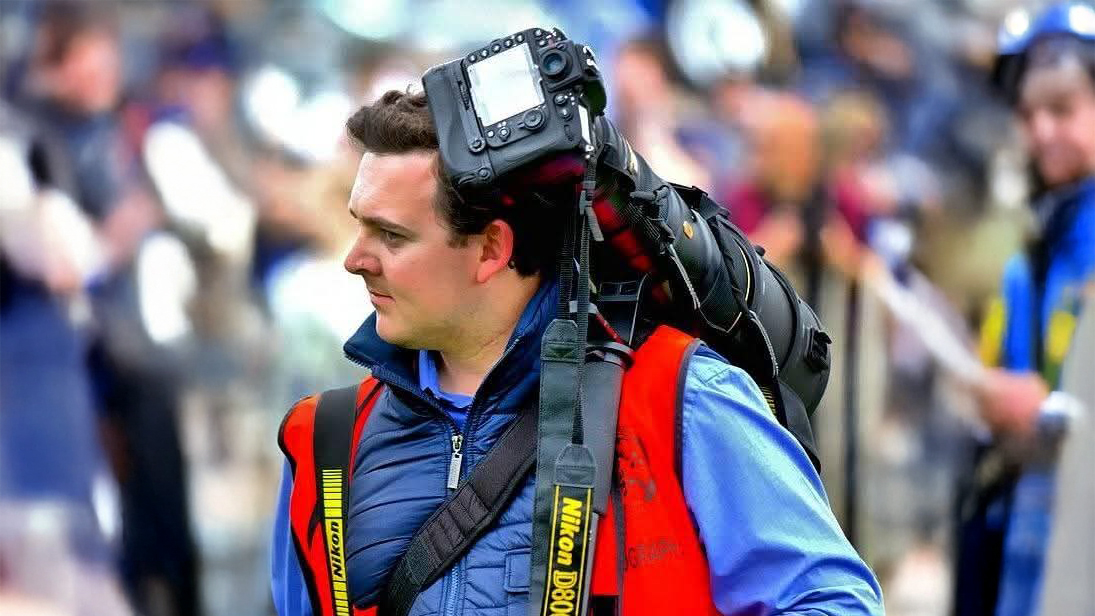
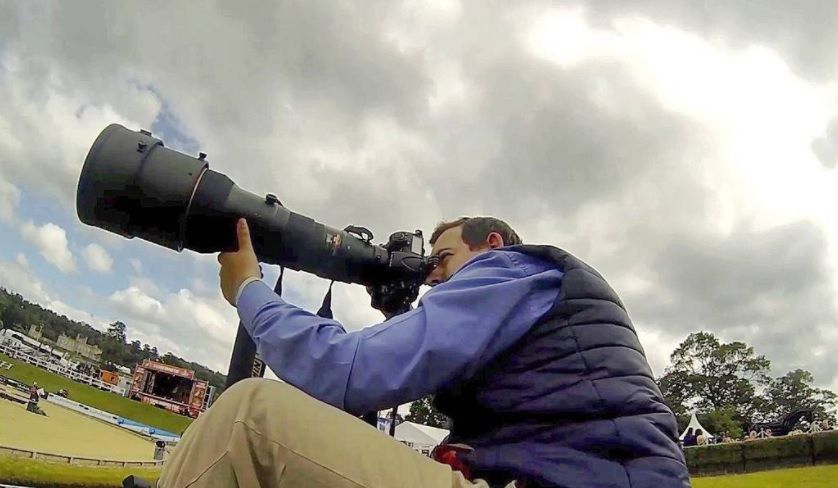
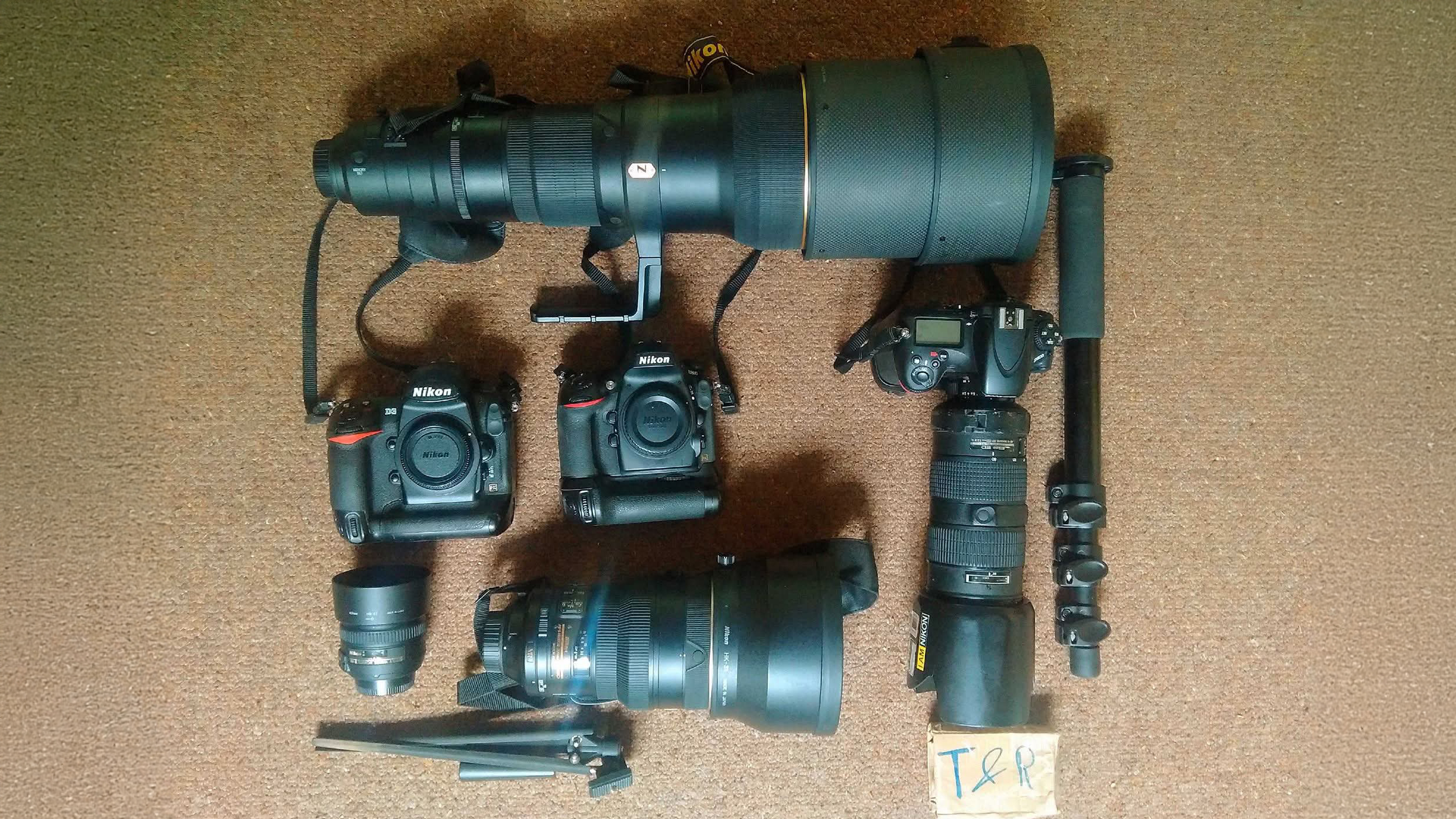
I spent many years as a professional sports photographer hauling around big lenses. I have dragged 400mm and 600mm glass around stadiums, race tracks and touchlines, and two of my most used lenses over the years were a Nikon 200mm f/2 and a Nikon 600mm f/4.
I also fully understand that not everyone is in the lucky position to buy that kind of extravagant equipment. These lenses cost serious money and, for many photographers, a teleconverter looks like the sensible way to squeeze a little more reach from the kit they already own. I get it. I really do. But that does not mean I think it is the right move.
The trouble is that even the best teleconverters are not magic. They do not give you free focal length. The most common options are usually 1.4x, 1.7x, and 2x converters, and each comes with a compromise. Yes, your 300mm lens can become something longer. Yes, your 400mm lens can suddenly look more like an 800mm with a 2x converter.
But depending on the quality of the lens you are attaching it to, you are also taking a hit in light, autofocus performance, sharpness and overall optical quality. That extra reach comes at a price – and it is not just the money you paid for the converter.
The f-stop penalty alone is enough to make me question the whole thing. A 1.4x converter usually costs you around 1 stop of light, while a 2x converter costs you around 2 stops. That might not sound too bad in perfect daylight but, in the real world, sport and wildlife do not always happen under perfect light.
Suddenly, your lovely fast lens is not so fast any more. Your autofocus has less light to work with, your shutter speeds become harder to maintain, your ISO starts climbing… and that clean, crisp image you hoped to capture begins to fall apart.
This is where I think the modern camera industry has completely changed the argument. Twenty years ago, if you wanted serious reach, you needed serious money. Long professional primes were the dream and, for most people, they were simply out of reach. But today, we are spoiled.
There are now so many super-telephoto zooms and long-range lenses available at prices that would have seemed unbelievable when I was at the top of my profession. People think nothing of using a 100-400mm lens now, and we even have huge-range options like 28-400mm superzooms that give photographers a level of flexibility we could only have dreamed of years ago.
Of course, a good long lens or superzoom may still cost more than a teleconverter. I am not pretending otherwise. But I think the value is in the long game. A purpose-built longer lens gives you flexibility, balance, proper optical design and a single, stronger connection to the camera body.
It is a complete tool, designed to do the job from the start. A teleconverter, by comparison, always feels like a compromise bolted into the middle of the system. It might get you out of trouble occasionally, but I would rather have a lens that was built for reach than an optical add-on trying to fake it.
There is also the physical side of it – and this is something too many people ignore. With a lens attached directly to a camera, you have one main point of contact: the camera mount. Add a teleconverter, and suddenly you have two. You have the camera to teleconverter mount, and then the teleconverter to lens mount.
That might sound perfectly secure, and most of the time it probably is, but I have seen failures.
I have seen mounts damaged. I have seen gear put under the kind of stress that makes your stomach turn. When you are dealing with expensive cameras and long, heavy lenses, adding another weak point into the chain is not something I take lightly.
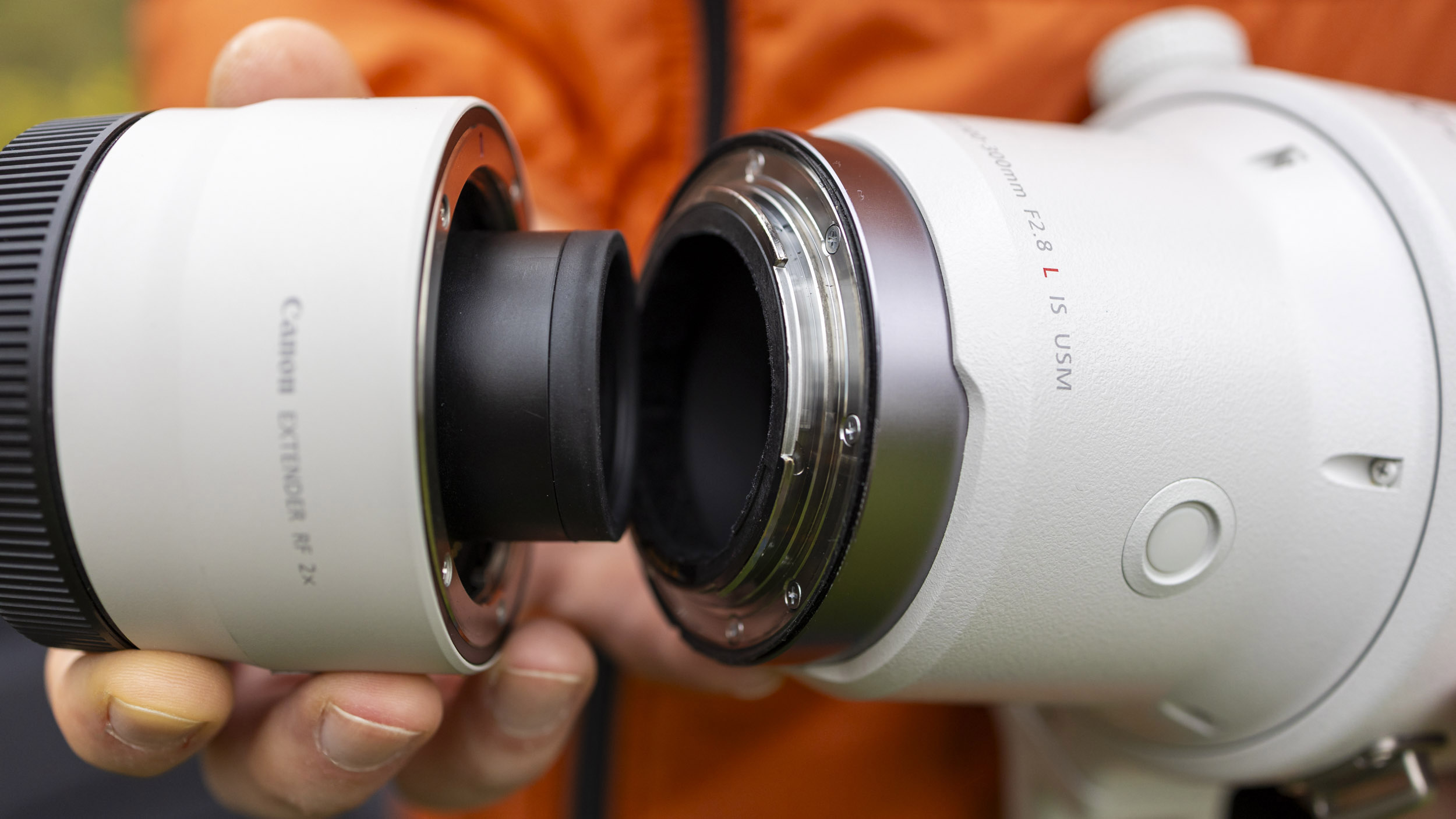
And when it fails, it really fails. You are not just left with a disappointing image. You could be left with a damaged lens, a damaged camera body or both. Suddenly, that “cheap reach” does not look so cheap. The cost of a teleconverter is nothing compared to the repair bill for a professional lens mount or a broken camera body.
This is the part of the conversation that rarely appears in the marketing material. Everyone talks about extra reach. Fewer people talk about the added strain, the extra contact points and the very real chance that your clever little adapter could help create a very expensive problem.
Optically, I also think photographers need to be honest with themselves. A built-in teleconverter on a high-end professional lens is one thing. Those systems are designed from the ground up to work properly with the optics of that lens – and when done well, they can be brilliant.
But an external teleconverter is different. You are adding more glass into the optical path and hoping the combination works well enough. Sometimes it does. Sometimes it is acceptable. But acceptable is not the same as excellent – and if I am spending money and time chasing an image, I want the best possible chance of getting it right.
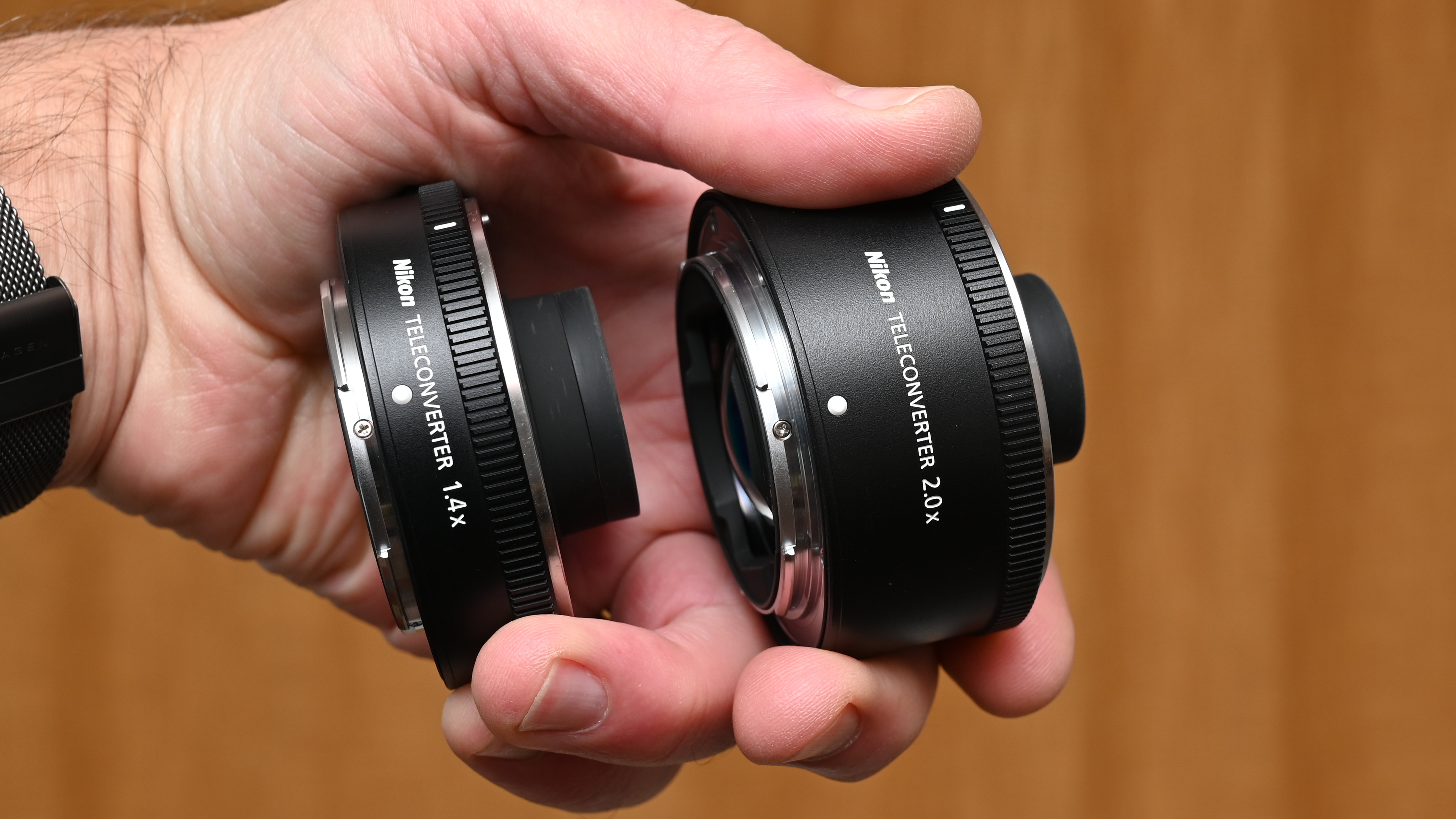
That is why I have never been convinced by the “just in case” argument, either. I know plenty of photographers like to keep a teleconverter in the bag for those moments when the subject is just a little too far away. I understand the logic.
But for me, if I need more reach that badly, I would rather plan properly and use the right lens. If I am consistently finding myself too far away, the answer is not to keep compromising my current lens. The answer is to buy or rent the focal length I actually need.
Teleconverters promise a lot but, in my opinion, they rarely deliver enough to justify the compromises. They cost you light, can affect sharpness, may slow autofocus, add another physical weak point and often leave you with a setup that feels more like a workaround than a proper solution.
For occasional use, maybe they have a place. For some photographers, in some situations, they might make sense. But if you regularly need the extra reach, stop kidding yourself. Buy the longer lens.
Photography is already full of compromises, and we all have to make choices based on budget, weight, access and the jobs we shoot. But I have learned over the years that reach is something you are better off buying properly.
A good long lens will serve you better, last longer and give you more confidence than a teleconverter ever will. So yes, I know this will annoy people, but I will say it anyway: teleconverters are usually a waste of time and money, and if you really want to get closer to the action, buy the lens that gets you there.
You might also like…
Ready to ditch the converters? Take a look at the best telephoto lenses as well as the best superzoom lenses for Nikon and the best Canon superzoom lenses.