Using artificial intelligence to plan their diet may be causing teenagers to eat too few calories, equivalent to skipping a meal, a new study warns.
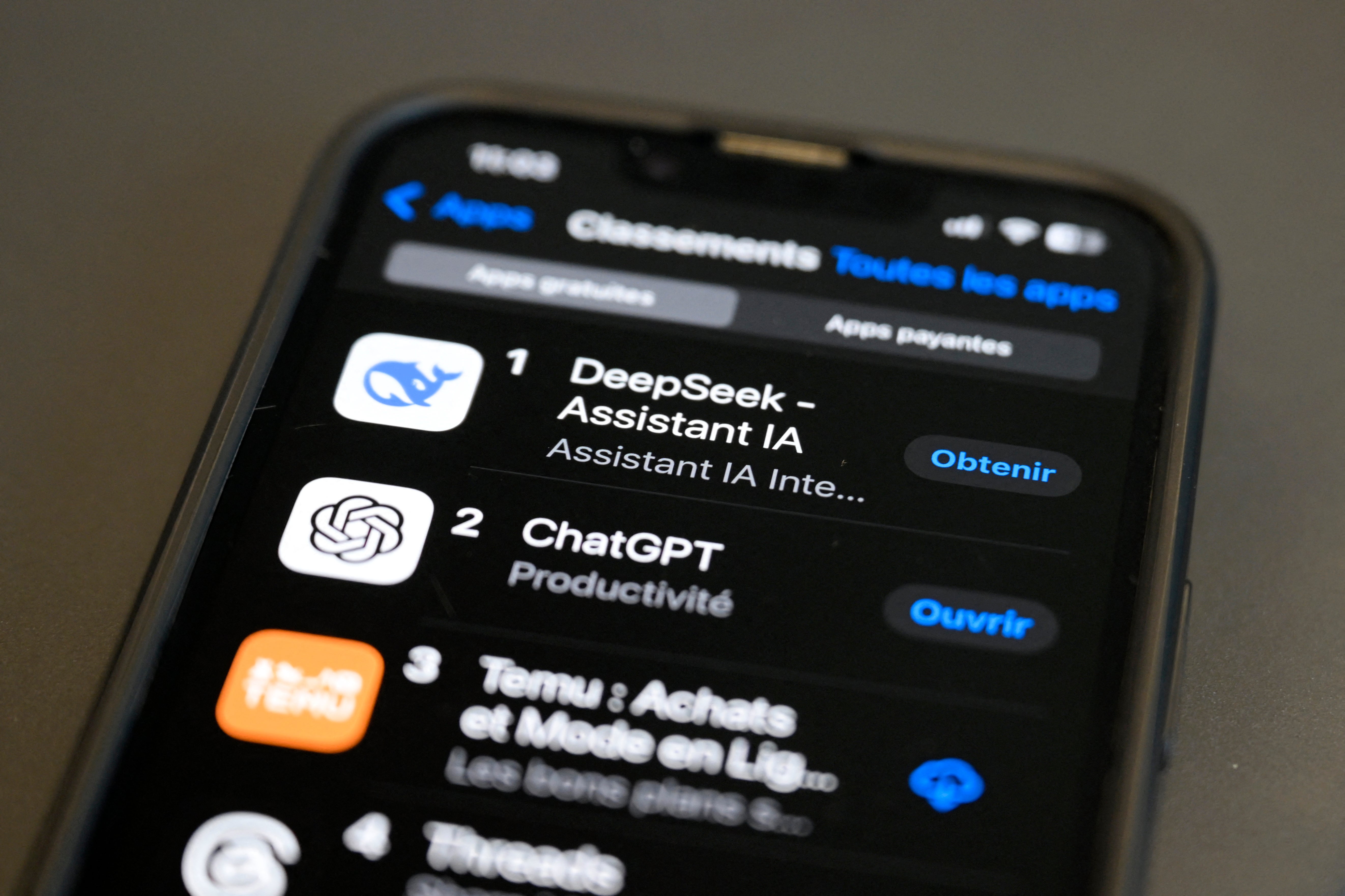
Children across the world are increasingly relying on AI chatbots like OpenAI’s ChatGPT to receive personalised nutrition advice and even draw up meal plans to help them lose weight.
The study suggests the resulting plans don’t always adequately cover necessary nutrients and calorie intake, posing potential health risks to teenagers.
“We show that diet plans generated by AI models tend to substantially underestimate total energy and key nutrient intake when compared to guideline-based plans prepared by a dietitian,” said Ayşe Betül Bilen, an author of the study published in the journal Frontiers in Nutrition.
“Following such unbalanced or overly restrictive meal plans during the teenage years may negatively affect growth, metabolic health, and eating behaviours.”
The study used free versions of ChatGPT 4, Gemini 2.5 Pro, Perplexity, Bing Chat-5GPT, and Claude 4.1 to create meal plans for four 15-year-olds – a boy and a girl in the overweight percentile as well as a boy and a girl in the obese percentile.
The five AI chatbots were instructed to create three-day plans covering three meals and two snacks per day.
Researchers then compared the AI-generated meal plans to those made by a dietician specialising in adolescent diseases.
They found that AI models calculated the energy requirement on average almost 700 calories lower than the dietitian did, a difference equivalent to a full meal.
This variation is large enough to have serious clinical consequences, scientists warn.
While the caloric intake was “severely undercalculated”, according to researchers, the intake of certain macronutrients was overcalculated.
“AI-generated diet plans consistently deviated from the recommended macronutrient balance, which is particularly problematic for adolescents,” Dr Bilen warned.
Scientists found that AI models recommended a higher protein intake of 20g more than the dietitian.
The amount of carbohydrates in the suggested meals was much lower, with an average difference of around 115g.
This translates to 32-36 per cent of the energy intake in AI diet plans coming from carbohydrates as opposed to the recommended 45-50 per cent.
“Our findings suggest that they may rely on generalised or popular diet patterns instead of fully integrating age-specific nutritional requirements,” Dr Bilen said.
Researchers hope the findings can help raise awareness about the limited ability of AI models to develop well-balanced meal plans.
“Adolescence is a critical period for physical growth, bone development, and cognitive maturation. Lower energy and carbohydrate intake, combined with increased protein and fat ratios, may pose risks during the adolescent growth period,” Dr Bilen said.
Older workers are retiring instead of having to learn AI during last years on the job
MAGA stars roasted online for sharing fake AI photo of airman after Iran rescue
Memes, AI slop and financial advice: Iran is beating Trump at his own propaganda game
Scientists have discovered a way to make french fries healthier
What15,0000-year-old jewellery found in a cave tells us about prehistoric life
Nasa Moon mission breaks deep space distance record set 56 years ago