It will have the perks of a party and representative power of independents.
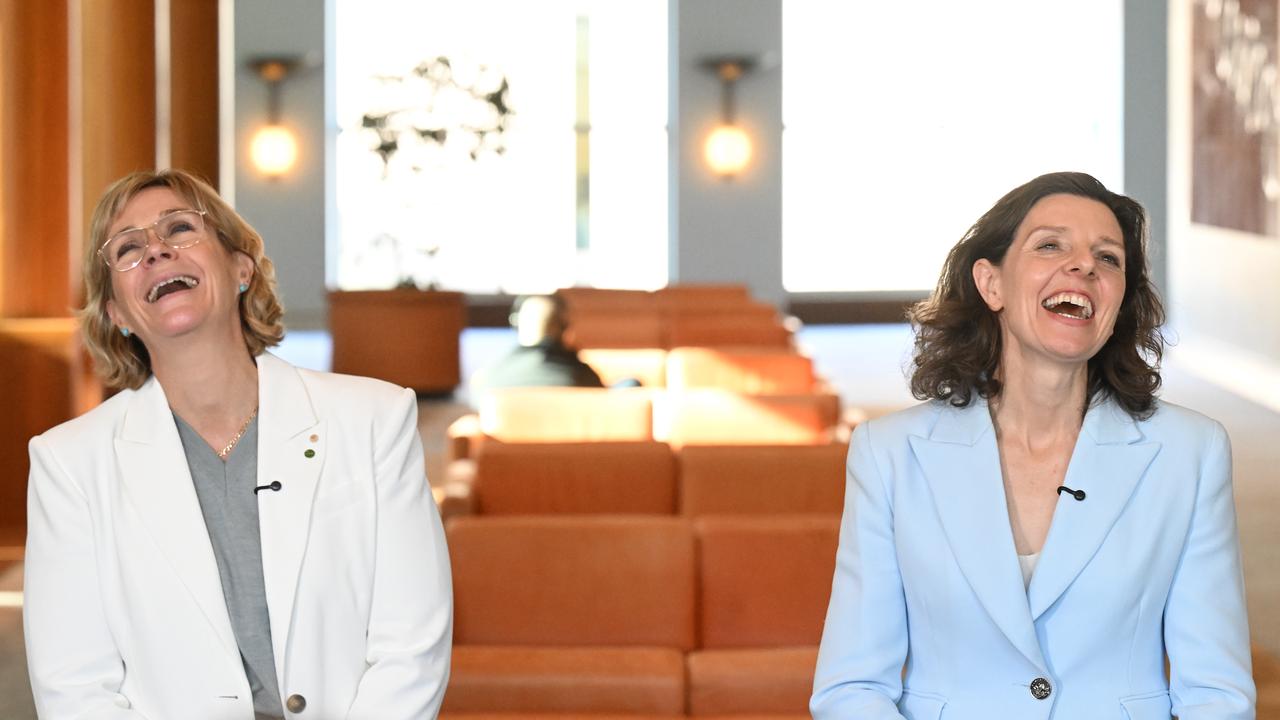
But Zali Steggall and Allegra Spender's new movement, Community Strong Australia, isn't having its cake and eating it too, according to a former crossbench colleague.
"The some who might say that are the people who are not doing anything, who just like to criticise," ex-teal independent Zoe Daniel says.
"Just because the Liberal Party does it its way and the National Party does it its way and Labor does it its way, doesn't mean everyone else has to do it the same way; and we know their way is not working.
"Give it a chance."
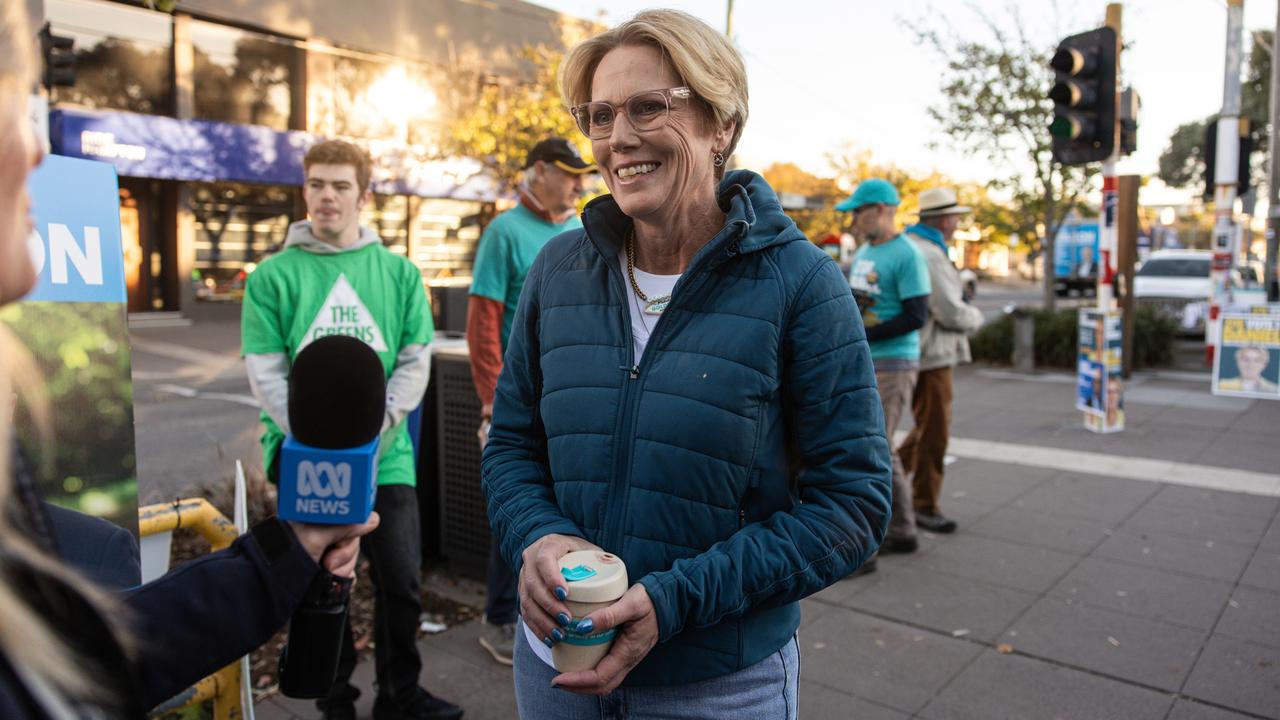
Community Strong Australia will have no leader and its members will be free to vote as they wish.
It will try to lasso the herds of voters fleeing the major players and being mustered by One Nation, launching assaults on more lower house seats, the Senate and possibly state parliaments.
Being a party will put it above the line on Senate ballot papers, where the vast majority of Australians vote.
It will also give them the keys to a campaign war chest worth up to $90 million when new election rules kick in from 2027.
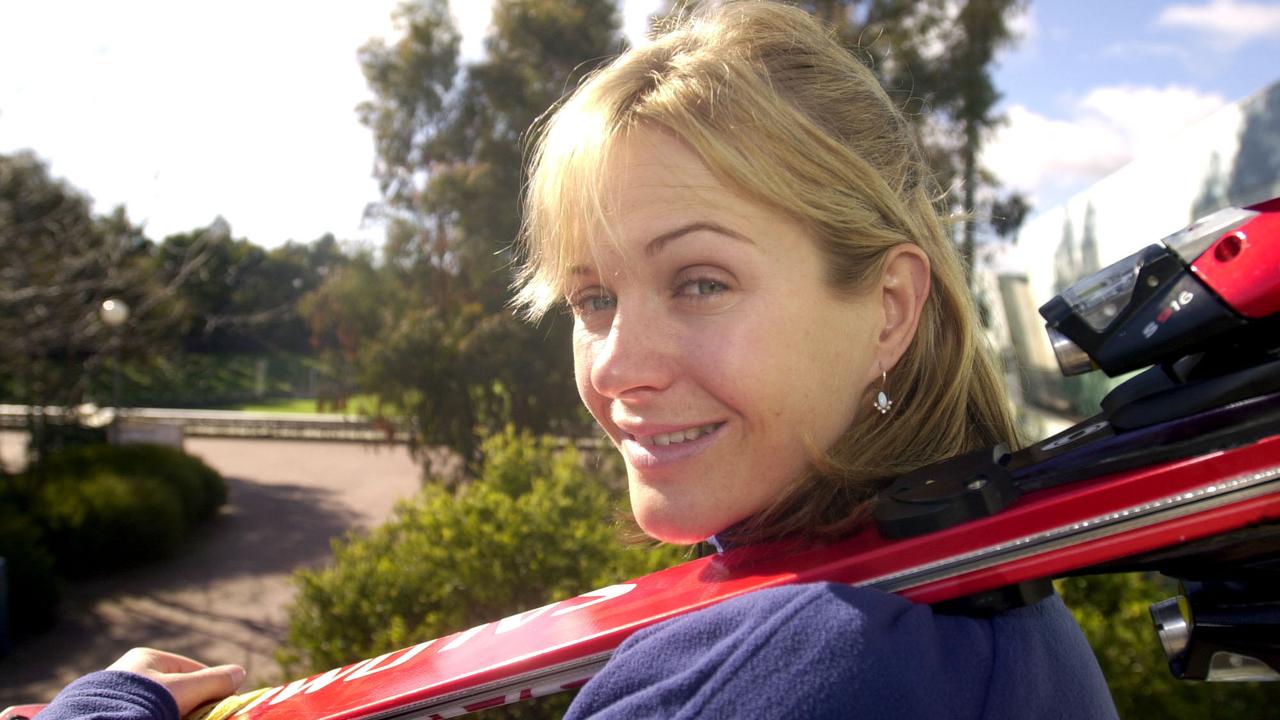
At first glance, Ms Steggall, a Winter Olympic medallist and former barrister, and Ms Spender, a Cambridge and Ivy League-educated former chief executive, don't seem like natural champions of the disenfranchised.
Their electorates are ringed by glittering harbour foreshore, marinas teeming with superyachts and cafes abuzz with fresh-faced, activewear-clad people tucking in to smashed avocado.
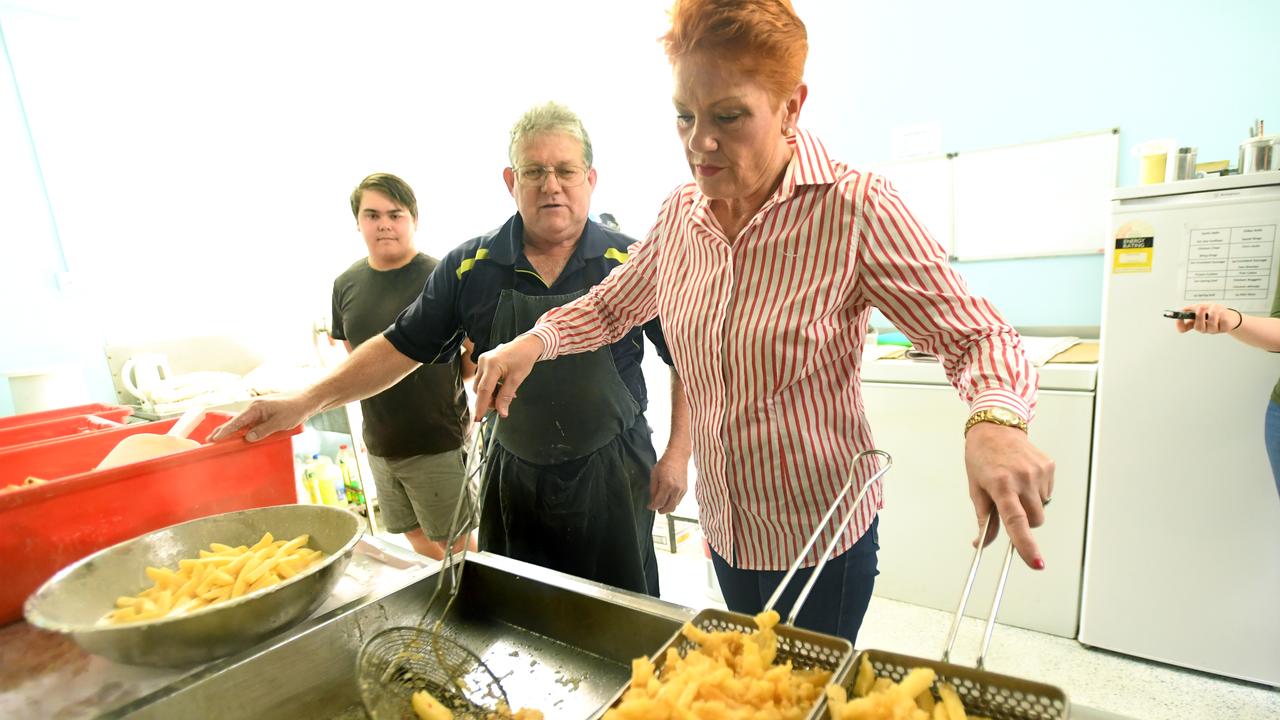
On the other hand, the biggest establishment connected to Pauline Hanson when she entered parliament in 1996 was a fish and chip shop.
But the allure of alternative candidates and the humility of their backgrounds are not why voters are deserting the major parties, pollster Paul Smith tells AAP.
"The majority of One Nation voters were voting because the other two parties did not represent them; they were not voting for their policies or their leader," the YouGov public affairs and data director says.
"There is a significant opportunity for an … independent non-major party option."
Community Strong would need an offering more tailored to the hard-done-by to scoop up working-class voters, Mr Smith says.
"It would have to have economic policies that appeal outside blue ribbon electorates that are highly wealthy."
But the perception One Nation is more in touch with those voters than Community Strong doesn't survive contact with reality, Ms Steggall says.
"You've also got the backing of Gina Rinehart giving you a plane and multimillion-dollars influence," she says.
"I think it's very far from the truth."
With its primary vote hovering about 30 per cent, One Nation has pipped Labor and the coalition to become Australia's most popular political party.
With major parties haemorrhaging voters, there is enough out there for multiple parties such as Community Strong and One Nation to share, Mr Smith says.
"There is actually more opportunity in the Australian political landscape than in the last 100 years.
"They could do well."
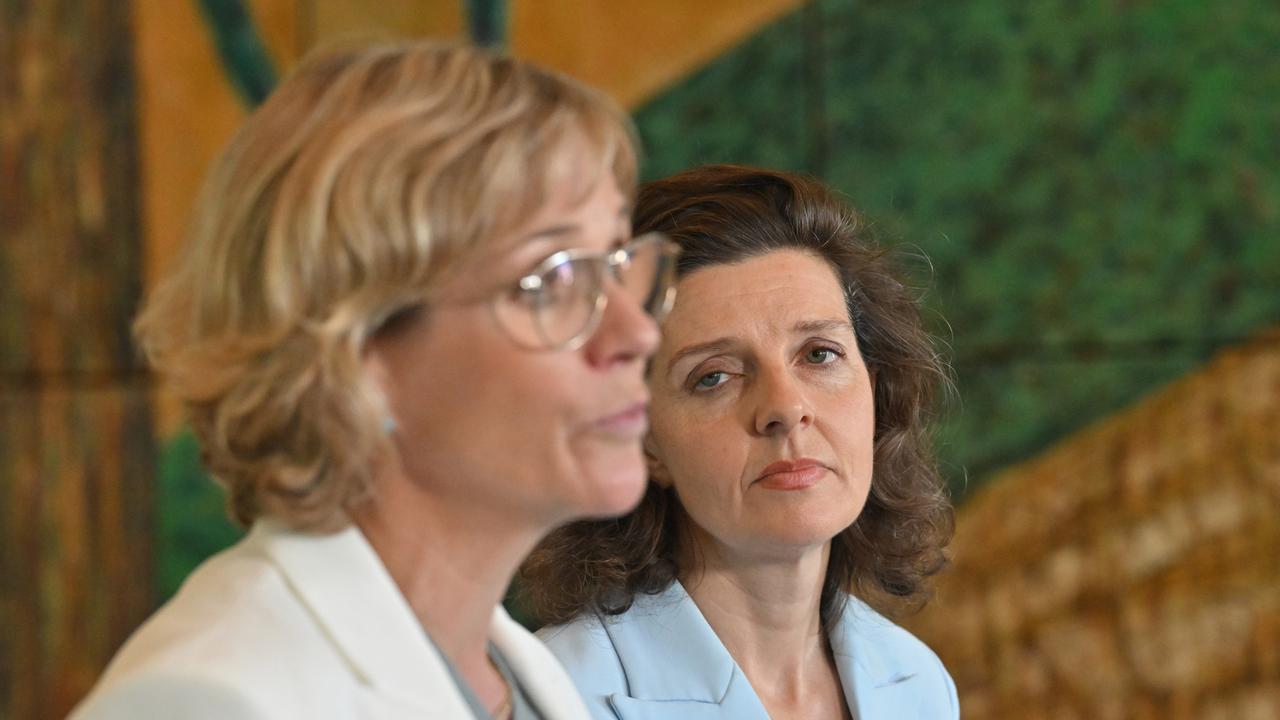
Ms Steggall insists Pauline Hanson's lead is more fragile than the polling figures plastered over front pages suggest.
"Voters don't want the status quo but they also don't want the division or racism of some of the policies being talked about," she says.
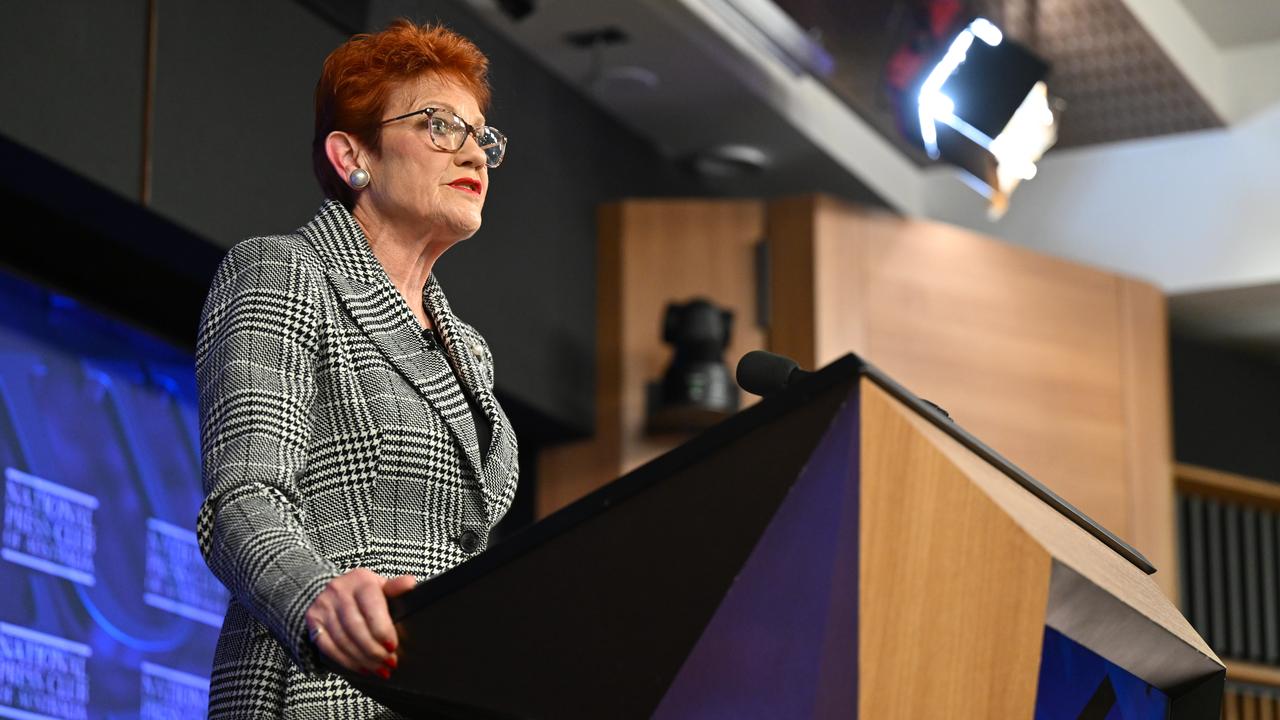
Multiculturalism has been under the microscope since Senator Hanson told the National Press Club earlier in June she wanted Australia to become a monoculture.
More than a week later, One Nation is yet to cop a bruising in the polls but Australia is not as divided or intolerant as those comments might suggest, according to Community Strong's other half, Ms Spender.
"There's more common ground than people realise," she says.
Believing those from one segment of society can't empathise with others is a delusion generated by broken politics.
"There's this narrow view that people only care about themselves ... and it's not true," she says.
"Australians care about each other."
Ms Steggall and Ms Spender will now set about corralling the legions who have signed up to join their movement, hear input and develop policy for when the party officially launches in October.
Ms Spender says the response so far has been huge.
Their fellow crossbenchers are staying independent for the moment.
Only Sydney MP Nicolette Boele has hinted at joining the duo but ultimately says the decision will belong to her constituents.
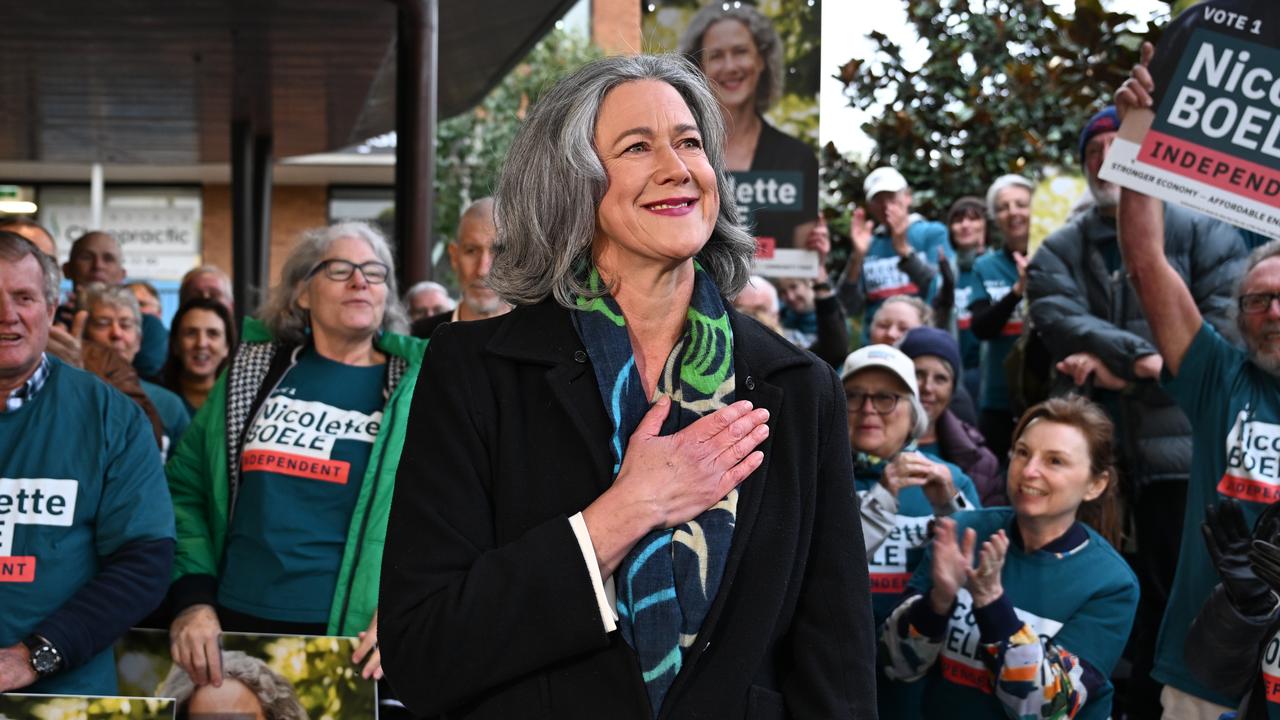
She calls the new party brave and hopeful and is pledging to collaborate with it.
ACT senator David Pocock, who has ruled out signing up, says anything he does will come from his community.
"I'm quite proud of them actually," Ms Daniel tells AAP.
"It's a brave step; there's a lot of risks.
"It'd be much easier to sit still."