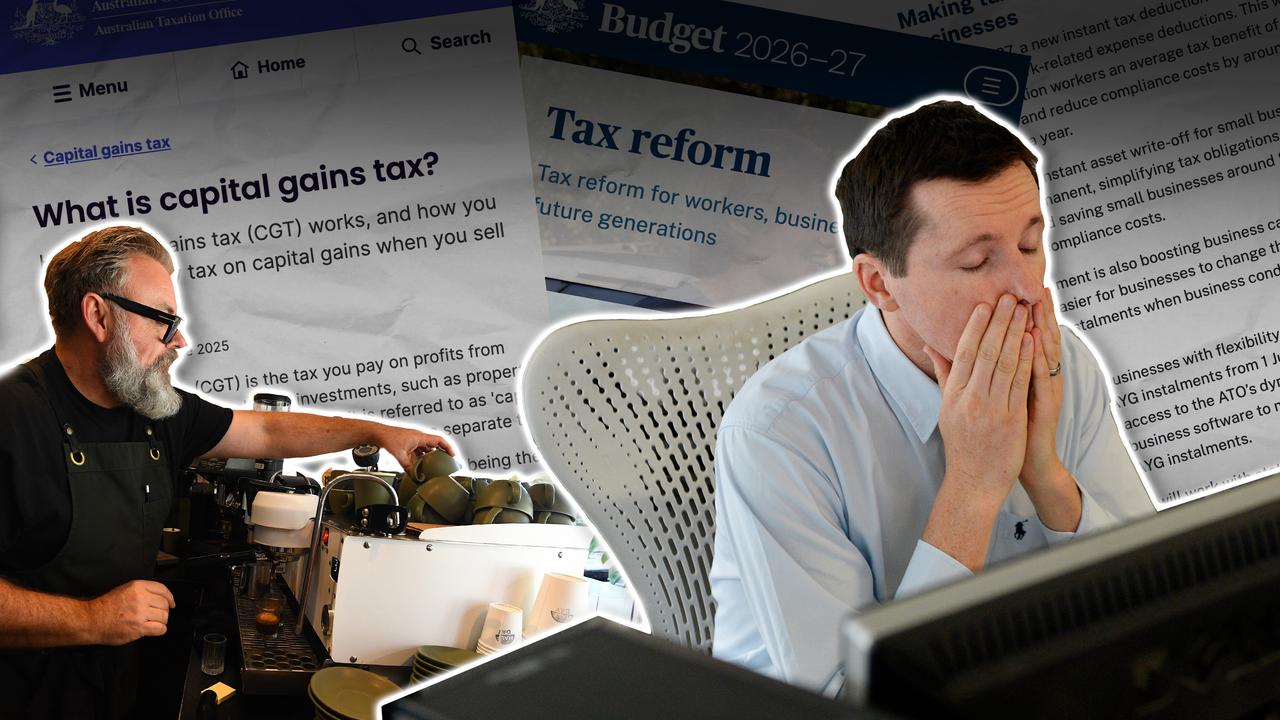
Warnings that startup founders will flee Australia to avoid paying a higher capital gains tax are unfounded, a Senate inquiry has been told.
Under changes proposed by the federal government, the capital gains tax discount of 50 per cent will be replaced with an inflation-indexed model and a 30 per cent minimum rate.
That means the maximum marginal tax rate for startup founders, who often have a negligible initial capital base, will double to near 47 per cent.
Business groups and entrepreneurs have warned that would force founders overseas to countries where the capital gains tax is lower or even zero, such as New Zealand or the UAE.
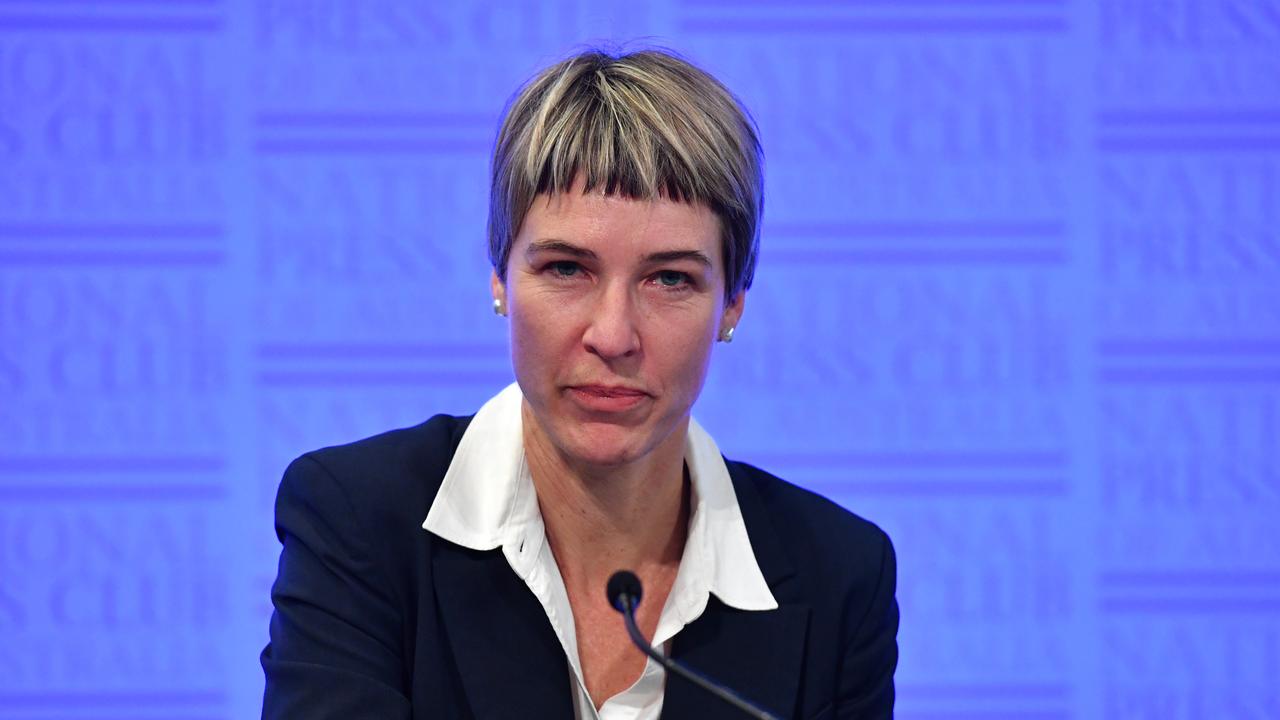
But that's easier said than done, Miranda Stewart, a tax professor at the University of Melbourne, told a Senate inquiry into the changes on Tuesday.
While some people may move country in response to tax rates, the empirical evidence suggested most do not, she said.
"So our individual founder, who wants low tax on capital gain, who wants to be taxed differently from workers, they have to go and live in Dubai, live in the US, in order to achieve that," Prof Stewart said.
"We're talking not about mobility of capital here, we're talking about mobility of people. It's a very different question.
"I would not choose at the moment to live in Dubai for my own personal risk profile, but others may, and it may be that tax plays a role.
"If Australian innovative businesses want to establish in New Zealand, because capital gains tax is zero there, all power to them. Why aren't they there already?"
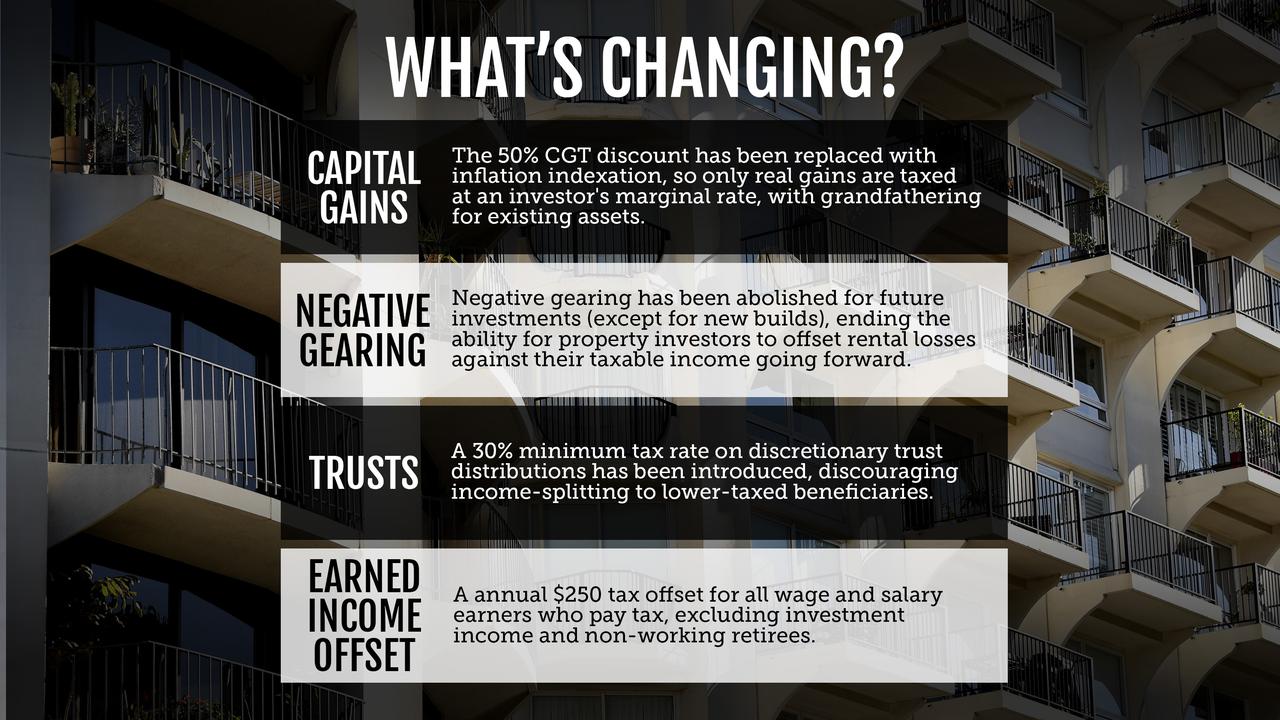
While Prof Stewart supported the tax legislation, which also included curbs to negative gearing on established investment properties, she accepted the transition would generate significant compliance costs.
Treasury estimated the reforms would raise compliance costs for businesses and individuals by $88 million per year, but the Institute of Public Accountants suspected the impact was grossly understated.
"Valuations, particularly for illiquid assets, cost a lot of money, so we're almost forcing people to get a valuation for these illiquid assets," senior tax adviser Tony Greco told the inquiry.
Chartered Accountants Australia and New Zealand said the laws would result in more complex record keeping obligations over time and recommended allowing income averaging, which was included in the capital gains tax system introduced by former prime minister Paul Keating.
Tuesday's hearing is the second in a snap two-day inquiry, which has fuelled concerns the process of reviewing the changes has been rushed.
The Australian Council of Trade Unions, which is also appearing before the inquiry, said the existing capital gains tax discount and negative gearing created an "untenable situation" for people trying to enter the housing market.
In its submission, the unions said the use of trusts - also due to be wound back following May's budget - had contributed to a system where well-off individuals benefited disproportionately.
"Attempts to defend the trusts system ... is an attempt by the already wealthy to defend their vested interests," the ACTU said.
The coalition has vowed to fight the changes.
The Greens, who also hold balance of power in the Senate, have yet to commit their support, as they push Labor to scrap the tax concessions for existing investors as well.
Parliamentary Budget Office analysis of tax office data shows people with two or more investment properties claimed $33 billion in tax breaks in 2023/24.
That money could instead be used to give a $2200 cost of living payment to about 15 million Australians, said Greens Leader Larissa Waters.
''For a budget sold on generational inequity, this is the sort of top-end tax handout that should have been scrapped to encourage mega landlords to sell properties to first home buyers," she said.
The Australian Council of Social Service backed the proposed changes as "long overdue" to bring equity to the tax system, but also criticised the decision to grandfather the tax breaks.