
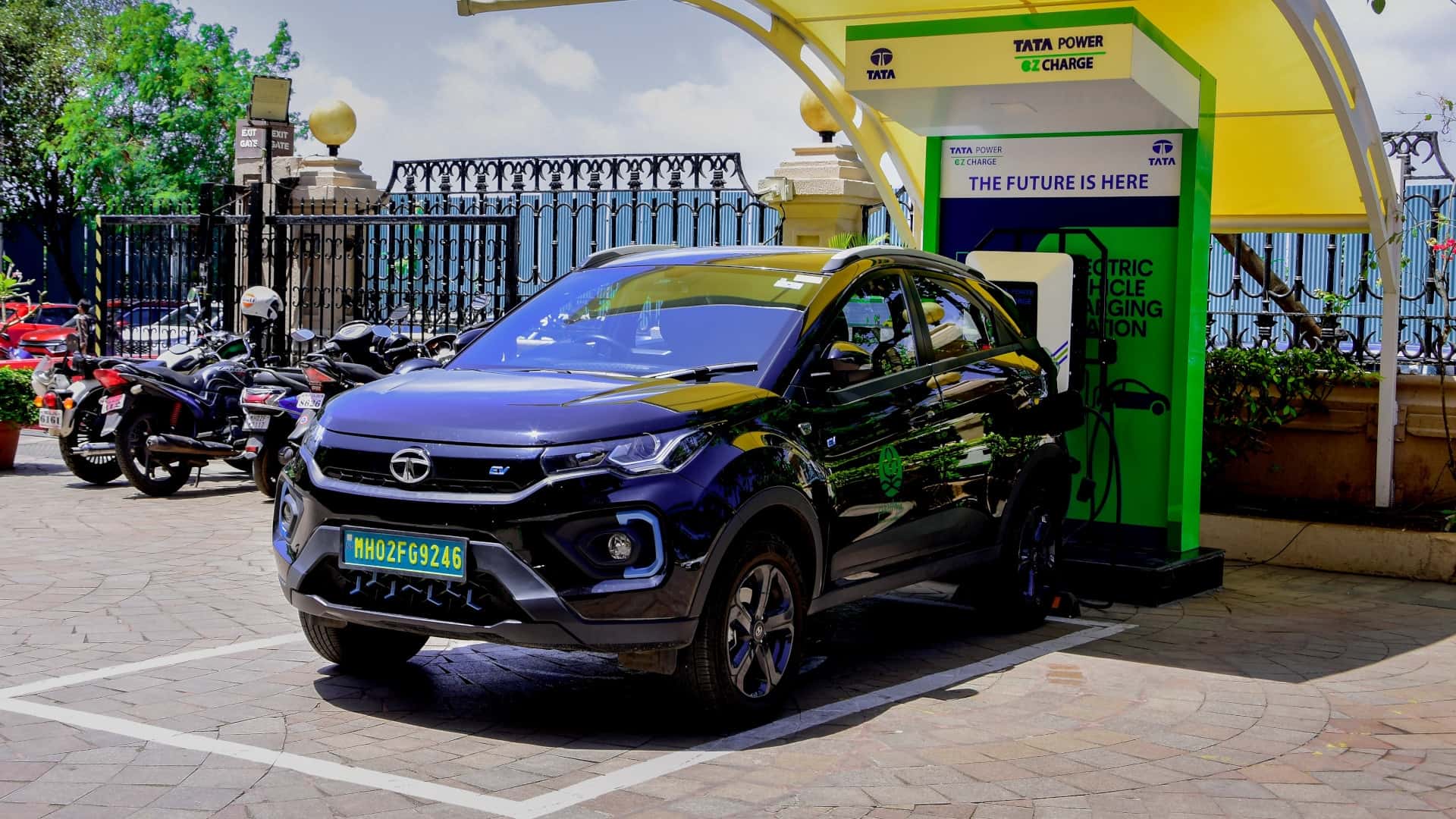
Tata Motors just did something most US EV fans did not expect. Its battery-electric models now top a global energy-efficiency ranking ahead of Tesla and BYD, with Mahindra right behind. In the International Council on Clean Transportation’s 2025 automaker rating, Tata’s fleet averaged about 106 Wh/km (170 Wh/mi), Mahindra came in at 113 Wh/km (182 Wh/mi), while Tesla and BYD only managed third and fourth among 22 major brands. On paper, Indian EVs sip less energy per mile than the usual efficiency darlings.
That headline number raises a tougher question for you as a driver: does a tiny crossover from India that scores 106 Wh/km actually use less energy in real life than a dual-motor Tesla blasting down an American freeway, or are we comparing very different machines in very different conditions? Indian brands are winning this efficiency game even though their EVs still lag global peers on fast-charging speed and outright driving range, and battery-electric models remain well under 5 percent of new-car sales in India versus roughly a quarter of the market globally. Understanding how efficiency tests work, and what those watt‑hours per kilometer really mean, is the only way to turn this global ranking into something useful for future US buyers.
Indian EV Efficiency Ranking: Who Leads
The ICCT’s 2025 global automaker rating puts Tata at the top for battery-electric efficiency, with an average 106 Wh/km across its EV lineup, followed by Mahindra at 113 Wh/km. Tesla slots into third and BYD into fourth, while the overall average for leading EV makers sits much higher at 131 Wh/km (211 Wh/mi). On a pure numbers sheet, that looks like a clear win for Indian brands on energy use.
To see what that means in practice, look at models Indian shoppers know. The Tata Sierra.ev is listed with 63 kWh and 75 kWh battery options and certified ranges up to 413 miles. Mahindra’s BE 6 carries 59 kWh and 79 kWh packs with ARAI‑rated ranges up to 424 miles. That implies low Wh/km on test cycles, similar in spirit to highly efficient global drivetrains like Geely’s recent efficient electric drive unit that also chases every watt.
How The ICCT Measures EV Energy Use
To build its ranking, the ICCT converts each automaker’s official test‑cycle data into comparable Wh/km values, then averages across each company’s battery EV fleet. It is not judging acceleration or price, just how much electricity a vehicle needs to travel a fixed distance under standardized lab conditions. Those cycles are similar in spirit to what US drivers see on EPA labels, where EVs carry miles per gallon equivalent and kWh per 100 miles ratings.
US shoppers can already compare Tesla and BYD efficiency through EPA data on FuelEconomy.gov, and range tests like our own Hyundai Kona Electric highway range test show how lab numbers translate on real roads. The ICCT exercise simply does that sort of comparison across entire brands worldwide. It is a fleet story more than an individual hero‑car result, so a company selling mostly small crossovers will look thriftier than one selling big three‑row SUVs.
Motor1's Take: Indian brands sitting above Tesla on an efficiency chart sounds wild until you see the recipe: smaller, lighter crossovers tuned for traffic and low running costs instead of Autobahn speeds. The ICCT numbers show how much test cycles, vehicle size and power matter once you zoom out to a whole brand. If automakers bring this kind of right-sized engineering to the US, you could get the same real-world range from a smaller battery, with lower prices and weight as a bonus. The ranking is not a trophy you can drive, but it is a clear signal that the next big efficiency gains in EVs may come from India-style thinking rather than another 0-60 sprint record.