Tata Steel is heading into the first quarter of FY27 with improving price realisations across all three of its major geographies, India, the United Kingdom, and the Netherlands, even as rising input costs from the West Asia crisis continue to squeeze margins across the global steel industry.
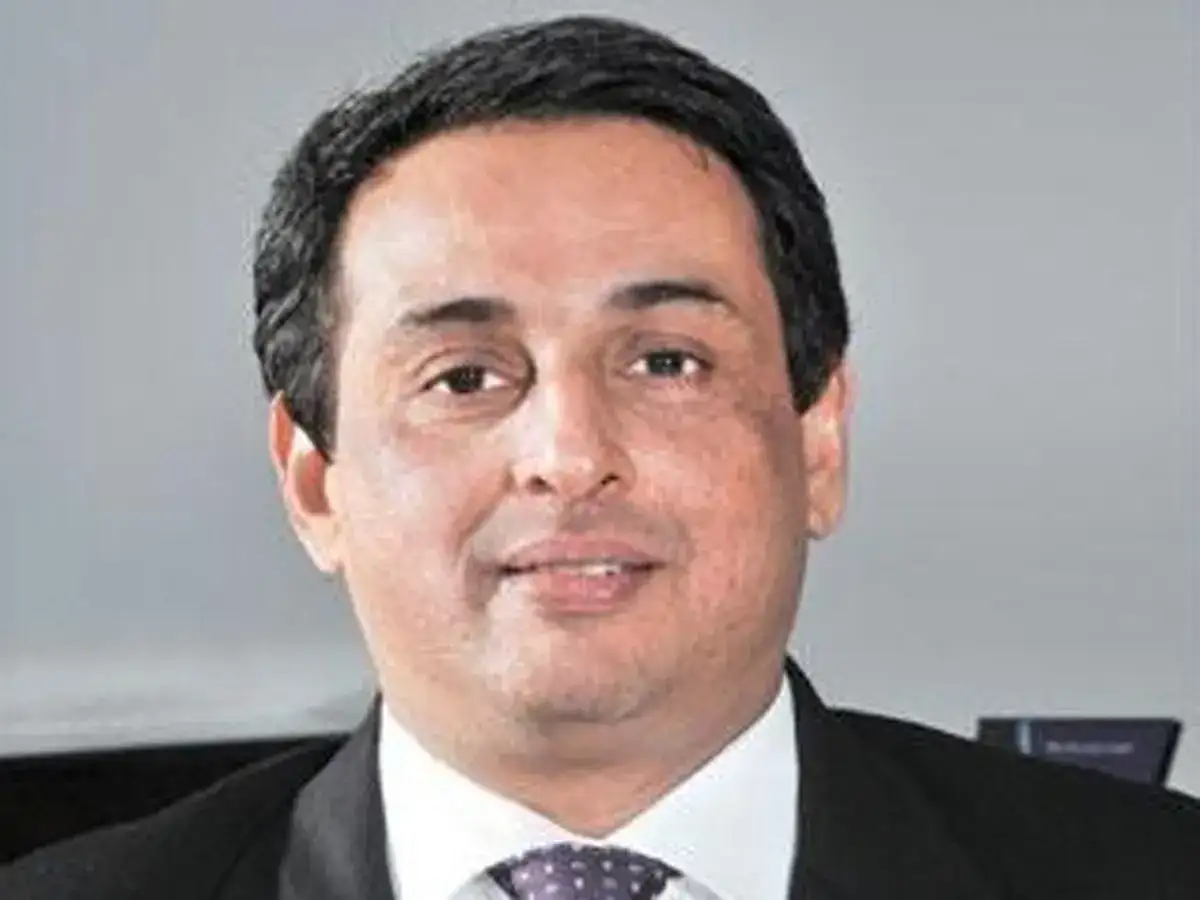
Speaking to ET Now, CEO and MD TV Narendran outlined a cautiously optimistic outlook, underpinned by volume growth in India, a healthier pricing environment in Europe, and the long-awaited policy support finally arriving for the UK business in March.
Price recovery across all 3 geographies
In India, net realisations for Q1 FY27 are guided to come in approximately ₹6,000 per tonne higher than the Q4 average, a recovery that Narendran attributed to steel prices returning to levels seen roughly a year ago, after a sharp decline through the first half of FY26.
Europe is showing similar momentum. EU safeguard duties, import quotas, and the Carbon Border Adjustment Mechanism (CBAM) have collectively tightened the market, pushing prices up. Tata Steel's Q1 guidance for the Netherlands is approximately 80 euros per tonne above Q4 levels. In the UK, where the company had been seeking government policy support for an extended period, that backing finally came through in March, and Q1 prices there are also expected to be around 80 pounds per tonne higher than Q4.
Narendran was measured in his read of what this means for margins. Cost pressures are rising in parallel, so the full benefit of price increases will not flow through to the bottom line. That said, he expects margins to improve in India and the UK, with Europe as a whole delivering a decent EBITDA performance.
West Asia crisis: Multiple cost pressure points, not one
Tata Steel's exposure to the West Asia disruption is spread across several input categories rather than concentrated in a single commodity, which makes it harder to hedge but also less catastrophically exposed to any one supply chain failure.
The company sources limestone from the Middle East, propane from the same region, and coal from Australia, where miners are themselves facing rising fuel costs. Coking coal, which had fallen below $200 per tonne, has since rebounded to the $230–240 range. Shipping costs, freight rates, and insurance premiums have all risen simultaneously.
"There is pressure, not one big impact, multiple impacts across multiple consumption points," Narendran said. So far, the company has been able to pass most of these cost increases through to customers, but Narendran acknowledged that customers face their own inflationary pressures, and the situation continues to be monitored carefully.
On the supply chain side, Tata Steel moved quickly to find alternative limestone sources and shifted to substitute gases where propane was constrained. With around 50–60 days of stock held as buffer, operations were not disrupted — though the cost of pivoting to alternative sources added to the broader input cost inflation.
India volume growth and a ₹20,000 crore capex plan
India remains the central growth engine. The Kalinganagar plant is ramping up strongly, and Tata Steel expects to add approximately two million tonnes of additional volume in FY27 versus FY26, almost entirely from Indian operations. The Netherlands business is already running near full capacity at 6.7 million tonnes, close to its 7 million tonne ceiling, limiting further volume upside there.
For capex, Tata Steel has budgeted approximately ₹20,000 crore for FY27 across geographies, with 60–70% earmarked for India. On a sustained basis, Narendran indicated that India capex needs to run at ₹10,000–15,000 crore annually to meet the company's growth ambitions — covering the five million tonne Neelachal expansion, a 1.5 million tonne addition at Meramandali, downstream facilities including a galvanizing line in Tarapur and a tinplate line in Jamshedpur, and the Maharashtra greenfield project currently under government discussion.
Net debt came down by approximately ₹2,500 crore over the year to around ₹80,000 crore, with net debt to EBITDA at 2.3, comfortably within the company's stated ceiling of 2.5. UK operations are targeted to reach breakeven during the year, with Q3 as the base case and Q2 as the stretch goal.