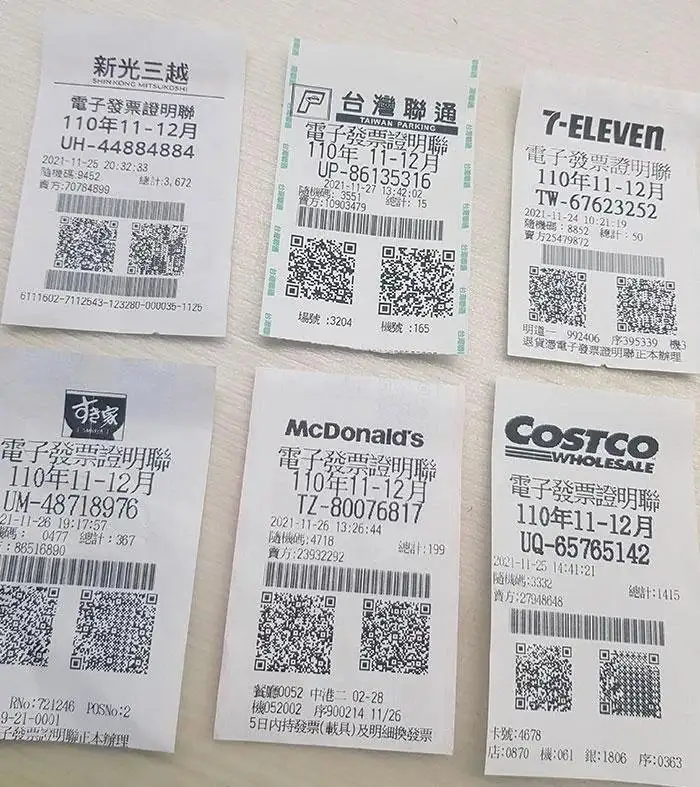
Taiwan tackled tax evasion in its cash-based economy by introducing a receipt lottery in 1951, a low-cost initiative that encouraged consumers to demand receipts and improved tax compliance. The system has since been adopted in several other countries.
The programme was introduced by finance chief Ren Xianqun to address underreported cash transactions at small businesses, where merchants could avoid taxes by not issuing receipts. Rather than relying on a larger audit workforce, the government changed consumer incentives by linking receipts to a nationwide lottery.
How the receipt lottery works
Each official receipt carries a lottery number, with winning numbers drawn every two months on live television. The top prize currently stands at NT$10 million, or about Rs 2.9 crore.
The system encourages customers to ask for receipts because every purchase becomes a potential lottery entry. As a result, consumers effectively help ensure that transactions are officially recorded, making it more difficult for businesses to conceal sales.
Impact on tax collection
According to the information provided, reported tax revenue increased by 75 percent in the first year of the programme, rising from NT$29 million to NT$51 million.
More than seven decades later, about 70 per cent of Taiwan's population continues to participate in the receipt lottery. Small prizes worth NT$200 can also be redeemed at convenience stores, making the system accessible for everyday purchases.
Low-cost compliance model
The annual prize pool is valued at about NT$7 billion, or roughly $20 million.
The programme effectively encourages millions of consumers to verify that businesses issue receipts, creating a broad compliance mechanism without requiring a large expansion of the government's audit workforce.
Adopted by other countries
The receipt lottery model has also been introduced in Greece, Italy, Portugal and Slovakia, with governments using similar incentive-based systems to strengthen tax compliance.