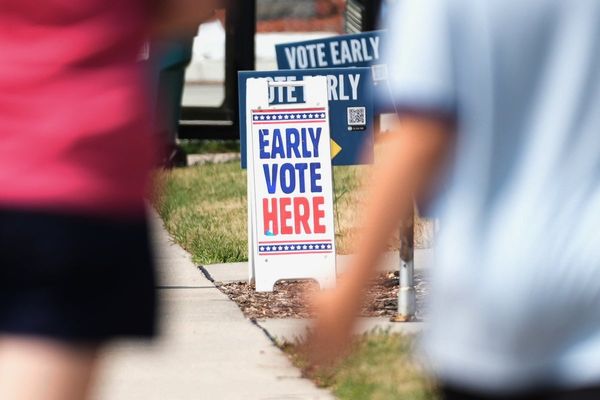
The SNP will “consider the implications” of its defeat in the Aberdeen South by-election, leader John Swinney has said, as he admitted the Tories seized the seat from his party after capturing “understandable anger” in the area over the future of the oil and has industry.
The Tories fought the by-election as a referendum on the sector – with an senior SNP source suggesting voters do not understand the party’s energy policy or view it as “weak”.
The First Minister conceded the result of the by-election – held after former SNP Westminster leader Stephen Flynn won a seat in Holyrood last month – was “obviously a disappointment”.
While many had expected a close contest between Mr Swinney’s party and the Tories, in the end Conservative candidate Douglas Lumsden won easily as the SNP vote collapsed.

Having polled 15,213 in the 2024 general election, the SNP secured 8,258 votes on Thursday, well short of the the Tory total of 14,308 votes.
The First Minister told the Press Association that the Conservatives were “able to garner tactical voting in their favour” in the by-election.
He added: “Also, they were able to capture the anger, the understandable anger, that is felt in Aberdeen and the north east of Scotland around the issues in connection with oil and gas.
“As a consequence of that, we were not successful last night and we need to consider the implications of that result.”
Posting on social media, Mr Flynn agreed it was a “tough night” for his party in Aberdeen “that some will need to reflect on, quite heavily”.
Pressed on the impact that SNP energy policy had had on the result, Mr Swinney said they had “commanded public support” in May’s Holyrood elections.
As it stands, the SNP says that both climate compatibility and issues surrounding energy security have to be considered when new oil and gas developments are being considered – with this stance a softening of the opposition to new drilling outlined by previous SNP leaders Nicola Sturgeon and Humza Yousaf.
Mr Swinney explained he wants to see an approach to new developments which takes into account “yes, our climate change obligations; yes, the issues of energy security; but also the opportunities to ensure there is a just transition in the north east of Scotland”.
As a “central” part of that, he said his party had been calling on the UK Government to end the energy profits levy – also known as the windfall tax – with the First Minister saying this was “undermining – in fact, stopping – investment in the oil and gas sector”.
However, he said the Conservatives “were able to deliver a tactical voting campaign and also a campaign that captured the issues of anger about oil and gas, and that has resulted in their victory”.
Mr Swinney added: “I congratulate them on their victory and obviously my party needs to reflect and consider on all these issues.”
Speaking for the SNP, he said: “We have all got to consider the implications of the by-election result, and that is what we will do.”
While the SNP lost the Aberdeen South seat to the Tories, Mr Swinney said he was “absolutely delighted” they had retained the Arbroath and Broughty Ferry seat.
That by-election was sparked by another of the party’s MPs, Stephen Gethins, also winning a seat in the Scottish Parliament in May, with Mr Swinney noting that the new MP Lara Bird had been elected with “an increased majority and an increased share of the vote”.
Speaking about that result during a visit to Dundee on Friday, the First Minister said: “It’s a resounding endorsement of the SNP and the election of a fantastic Member of Parliament for this constituency in Lara Bird.”