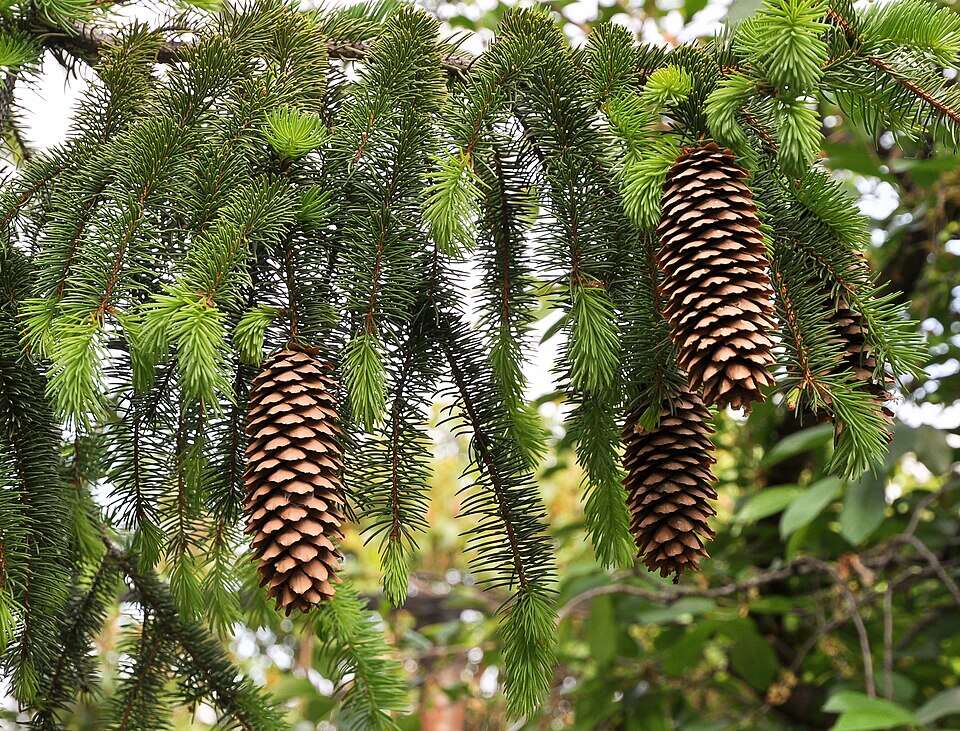
For decades, Norway spruce was one of the safest choices for Swedish forest owners. The trees grew quickly, the timber had a well-established market and forestry systems were built around producing large areas of conifer plantations.
Get breaking news anytime, anywhere. Download the TOI app now!
As noted by ALT , drought and outbreaks of the European spruce bark beetle have exposed growing challenges for spruce-dominated forests in Sweden. Against this backdrop, forest owner Krister Jonsson had already taken a different path years earlier, choosing noble broadleaved trees instead of planting more spruce.
When spruce was the obvious choice
Norway spruce became a dominant choice in southern Swedish forestry partly because it offered a combination of rapid growth, established silvicultural methods and strong demand from the forest industry. In the late 20th century, many broadleaved forests in southern Sweden were converted to conifer plantations, with spruce becoming a major part of the landscape.
A study in the Journal of Forest Economics found that broadleaved forests in southern Sweden had increasingly been replaced by spruce and other conifers. The researchers noted that spruce was generally viewed as the more attractive option from a private forest owner's perspective because of its growth rate and established timber market. That calculation, however, was based on the conditions under which the forests were planted.
The beetle crisis exposed the risk of uniform forests
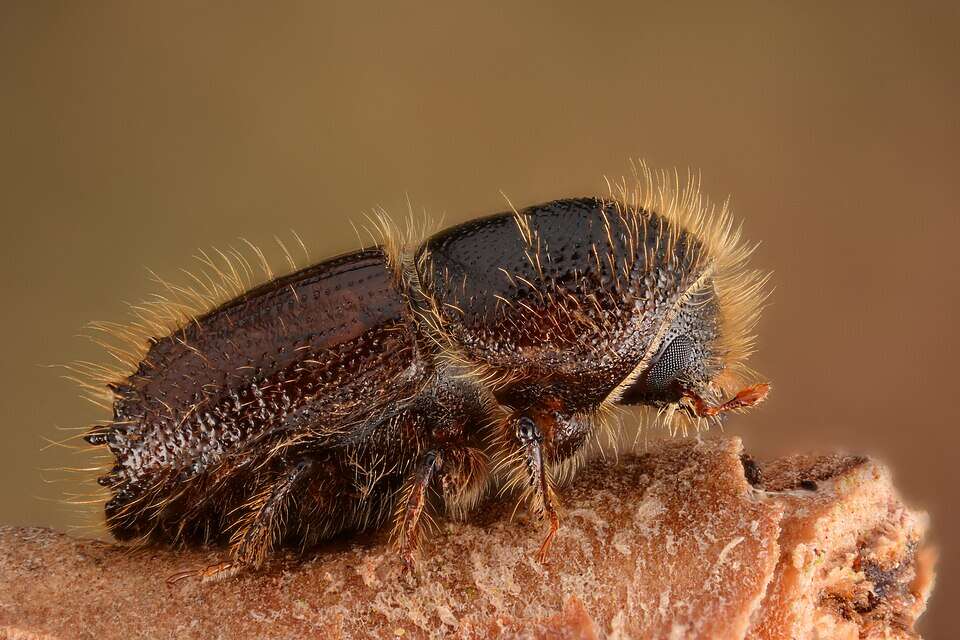
The European spruce bark beetle is a native part of European forest ecosystems, but outbreaks can become severe when large numbers of beetles attack weakened trees. Drought is one factor that can reduce spruce resistance, while warm conditions can also favour beetle development.
In southern Sweden, research has linked tree resistance to water availability and found that drought effects can continue to influence spruce tree vulnerability in subsequent periods. A 2024 doctoral study from the Swedish University of Agricultural Sciences found that spruce resistance varied with precipitation and local soil moisture conditions and was linked to water availability during the previous autumn.
This does not suggest that all spruce plantations are destined to fail or that broadleaved species are immune to drought and disease. Rather, it highlights the vulnerability that can arise when large areas are dominated by a single tree species, particularly when that species faces a threat to which it is especially susceptible. If the dominant species faces a stress that is widespread across the area, the damage can be extensive. This is the context in which Jonsson's initial choice of planting noble broadleaves has received renewed attention. Instead of planting only the usual tree species, he created a different kind of forest.
A different forest takes longer to build
Noble broadleaved species such as oak and beech are not simply interchangeable with spruce. They grow differently, require different management and may involve longer time horizons before producing timber of high value. The choice can therefore involve a trade-off. A forest owner may sacrifice some of the faster growth associated with spruce in favour of a forest with a different species composition and potentially different vulnerabilities.
The Journal of Forest Economics study also found that spruce could offer higher timber returns under the economic conditions modelled, while also noting that broadleaved forests provide recreational and other non-timber values that are not captured by timber income alone. This is another factor to consider in such an assessment. Forests that were profitable to plant decades ago can look very different when droughts become more frequent or intense. The decision used to focus on fast growth and proven demand; now it must also consider which trees fit the site and how the forest will cope in the future. However, broadleaves are not a guaranteed solution either. Oak, beech and other species all have their own weaknesses, and forest planting is heavily influenced by local soil and climate.
The experience of one Swedish forest owner who chose broadleaved trees before the current spruce crisis intensified reflects a wider question facing forestry: whether the forests planted today will remain suited to the climate they will face decades from now.