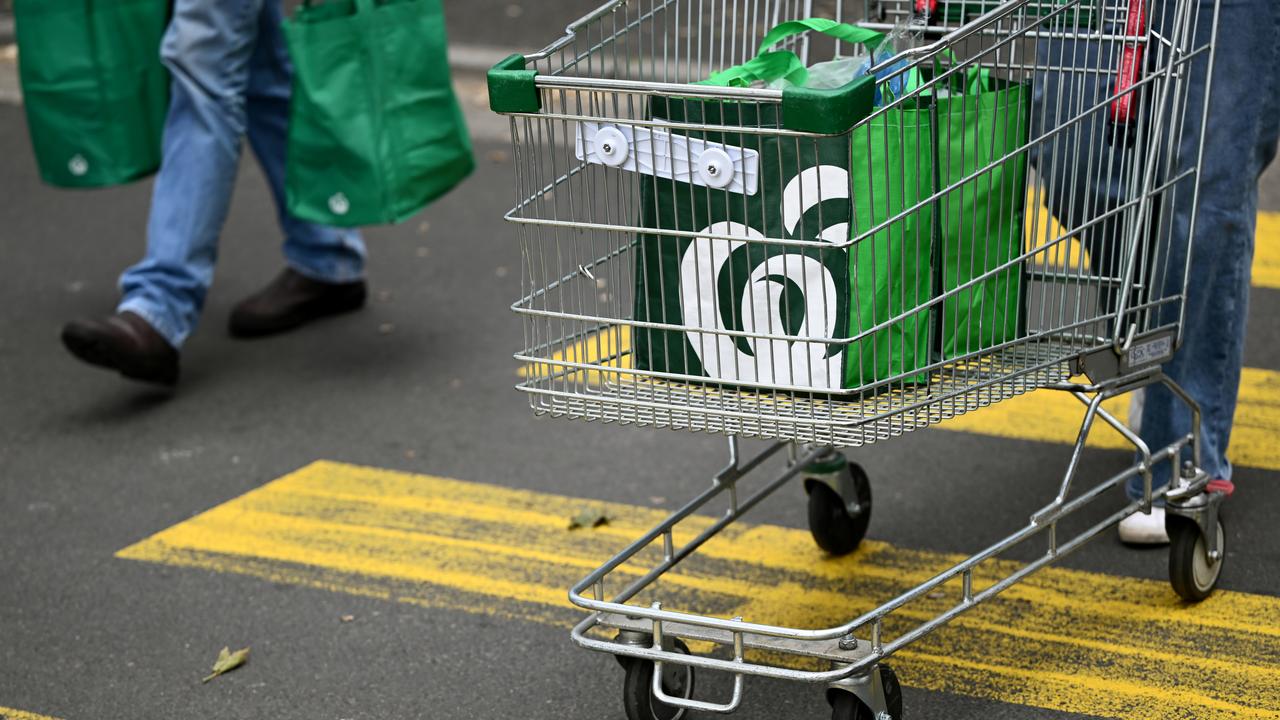
Supermarkets and retailers are angry over "excessive" regulations being imposed to stop price gouging, which they say won't keep costs down for shoppers.
The Albanese government has introduced rules to limit "excessive pricing of groceries" with changes to Australia's Food and Grocery Code of Conduct, which was made mandatory in April.
The changes will kick in on July 1 next year.
The ban will prohibit very large retailers from charging prices that are excessive when compared to the cost of the supply, plus a reasonable margin.
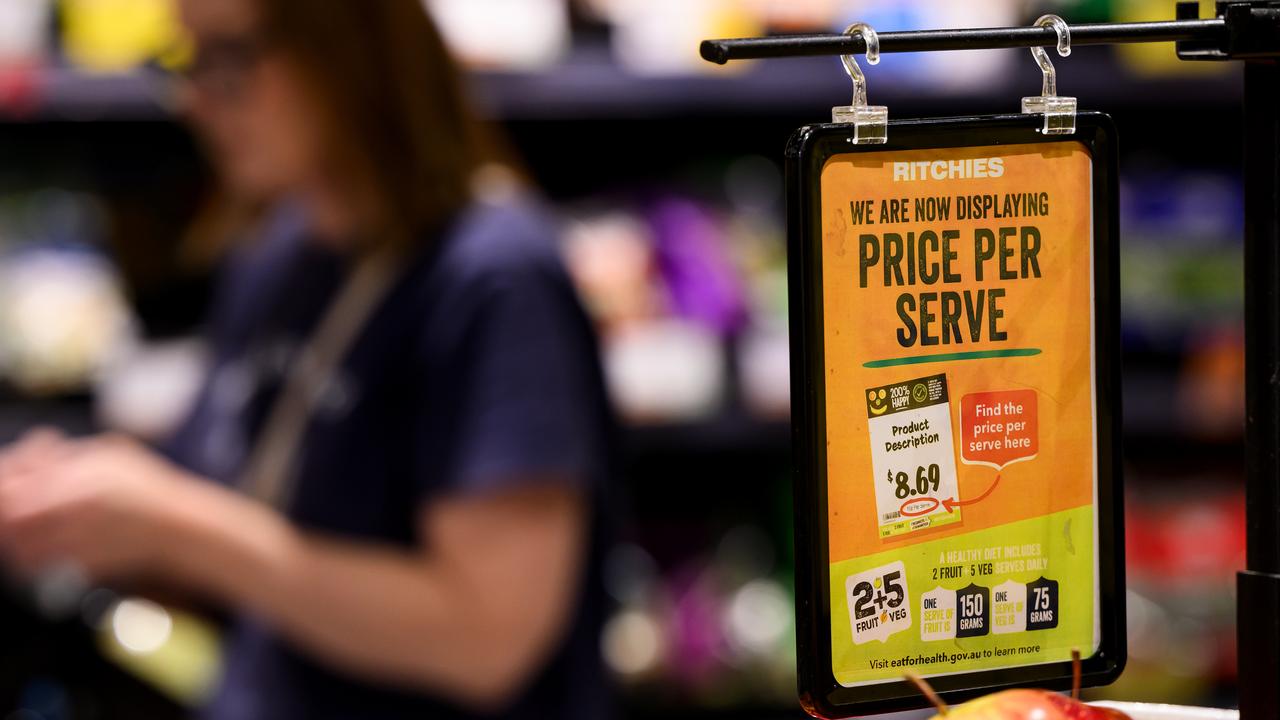
"This is all about getting a fairer go for families in their weekly shop," said Treasurer Jim Chalmers on Sunday.
Supermarkets could face fines of $10 million per breach, three times the value of the benefit derived, or 10 per cent of the company's turnover during the preceding 12 months.
In March, the Australian Competition and Consumer Commission found the near-duopoly enjoyed by Coles and Woolworths gave them little incentive to compete vigorously.
They were among the most profitable supermarkets in the world, an inquiry found.
But the report never directly accused the supermarkets of gouging customers, something both Coles and Woolworths have consistently denied.
It did not seek to define make a finding on whether supermarket prices were "excessive", since high margins are not prohibited under consumer laws.
Coles says more regulations were not the answer to lowering grocery prices and would drive costs up for shoppers.
"At a time when the focus should be on easing cost-of-living pressures, these regulations risk doing the opposite," a spokesperson said on Sunday.
"For every $100 customers spend at Coles, we make around $2.43 in profit – less than 3 cents in the dollar," they argued.
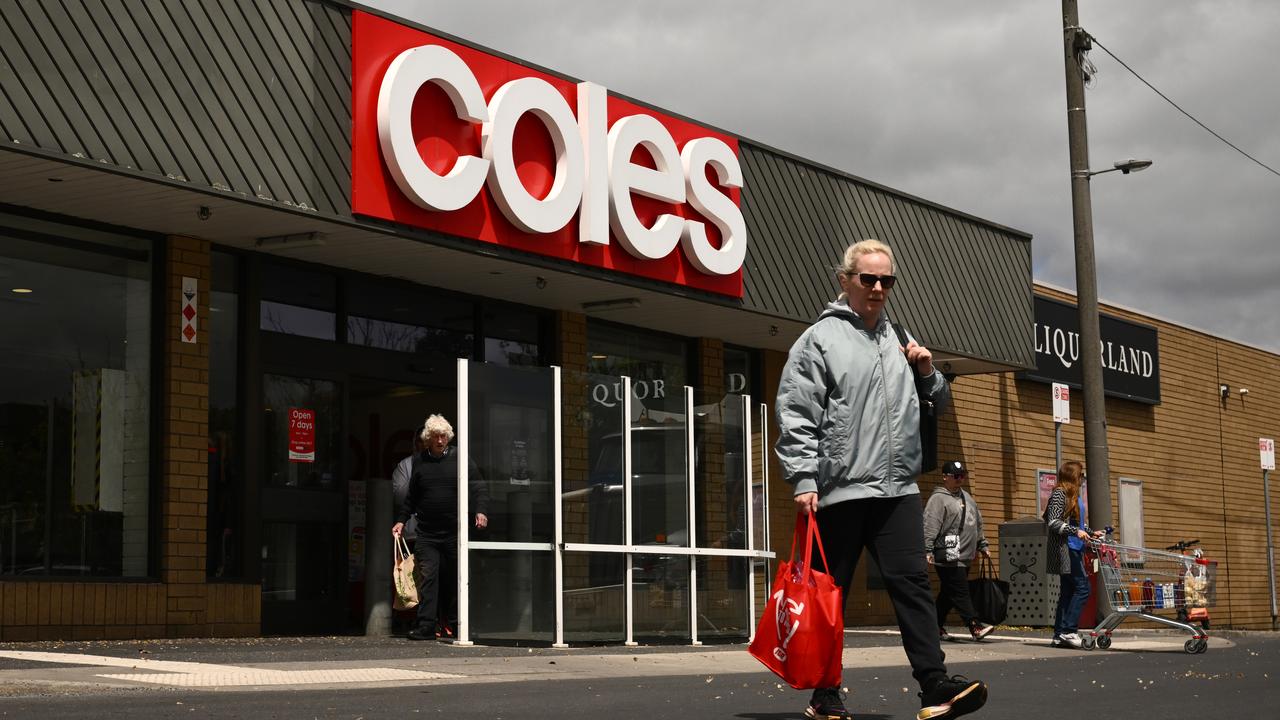
The $29 billion-valued supermarket giant said higher energy, freight, labour, insurance and production costs were the key pressures to getting goods on shelves and selling them.
Woolworths, itself worth $36 billion, warned the ban would create a butterfly effect where shoppers will miss out on "great deals", claiming it had delivered savings for consumers for seven quarters in a row.
"The law is unprecedented by targeting only two Australian-owned companies," a Woolworths spokesperson said.
The giant said it would result in "an uneven playing field which will see much larger, foreign-owned retailers free to charge customers whatever they want, without any of the new proposed restrictions".
The Australian Retailers Association and National Retail Association both strongly oppose the government's move.
"These measures seek to address a problem for which there is no evidence and risk having the opposite effect, pushing grocery prices higher for Australian families," Australian Retailers Association chief executive Chris Rodwell said.
Nationals Leader David Littleproud said the coalition will consider rules after they've seen the legislation.
"In society, there should be a deterrent and a consequence for doing the wrong thing," he told Nine's Today.
"There's nothing for supermarkets at the moment."
The Business Council of Australia also savaged the price gouging ban for being misplaced in its target.
"We all want lower prices for Australians, but regulation should be based on evidence," the council's CEO Bran Black said.
"If Australia wants lower prices and better outcomes for consumers, we need to focus on reducing unnecessary regulation and addressing the underlying cost pressures across supply chains."
The consumer watchdog's report found grocery prices rose at more than double the rate of wages between late 2022 and early 2023, attributing at least some of those rises to additional profits for Coles, Woolworths and Aldi.