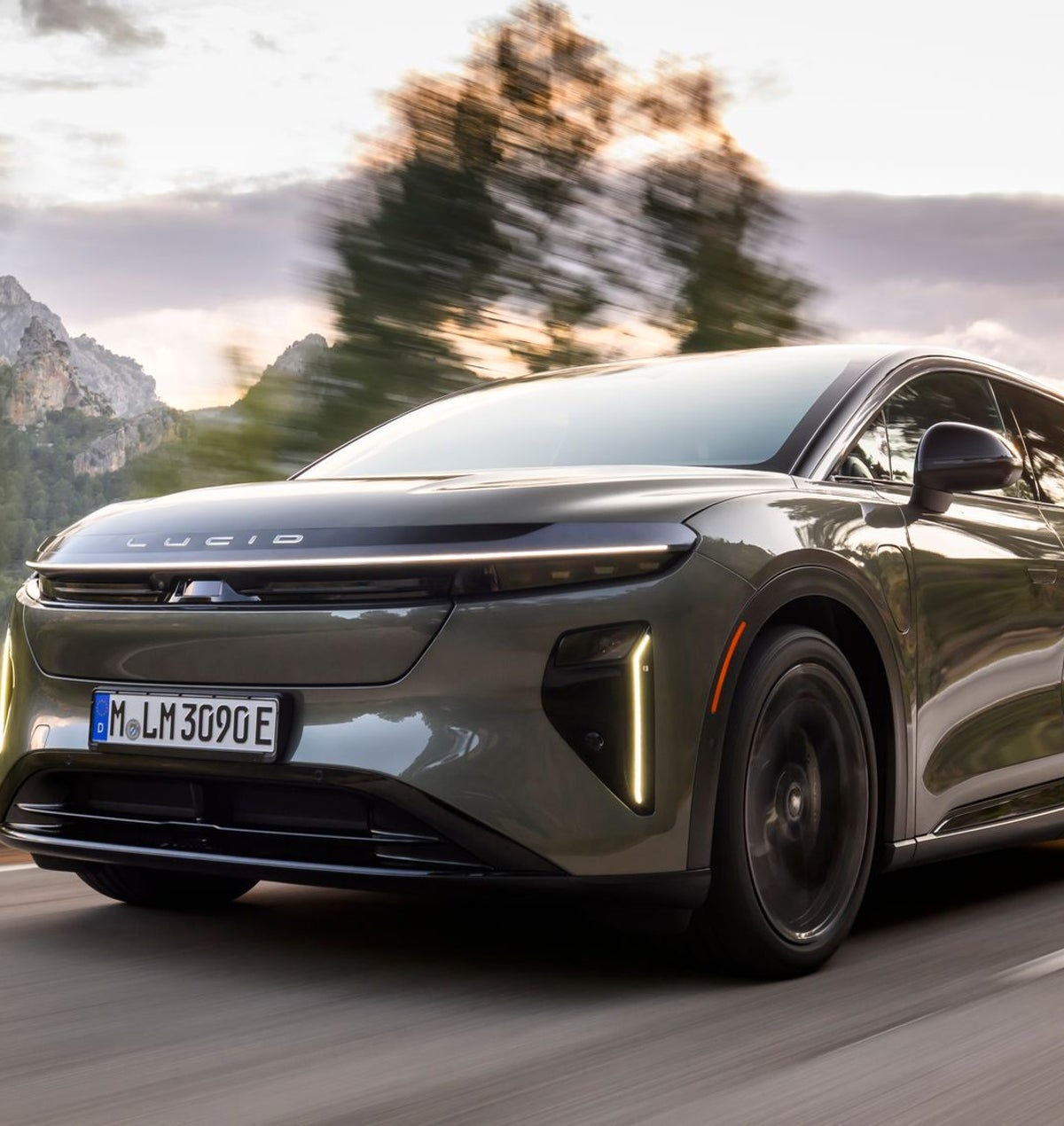
Lucid’s long-awaited arrival in the UK is now looking more like a 2028 story, with the award-winning Silicon Valley EV brand set to lead with a new family of super-efficient electric SUVs – rather than its current Air saloon or Gravity seven-seater.
Lawrence Hamilton, Lucid’s president of Europe, told The Independent that the UK is a “prime place” for the brand to launch, but that right-hand drive is likely to come first with the company’s next-generation mid-size models. Hamilton said: “It’s more likely to be the beginning of 2028 rather than 2027.
“In 2027, we’re going to focus on the markets that we’re already in. We still got some markets to expand to in Europe – that’s part of the big plan. We’ve still got to expand beyond the four markets we’re currently in; the plans are well under way there, so we don’t want to bite off more than we can chew. And my general view is if you’re going to launch in a market, do it properly.”
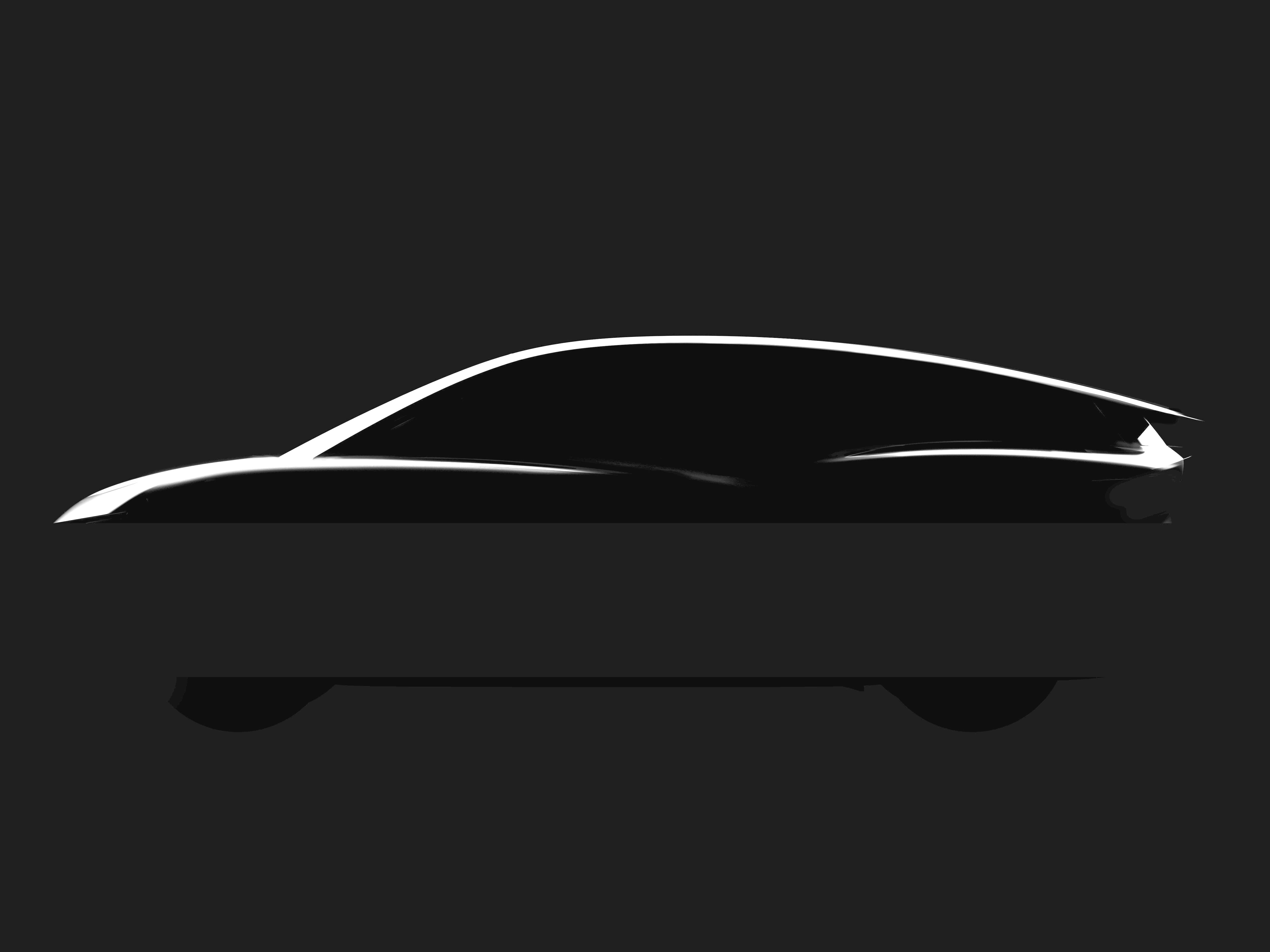
That means British buyers may have to wait a little longer for Lucid, but the plan is becoming clearer. Rather than arriving with left-hand-drive versions of the Air or Gravity, Lucid is expected to make its UK debut with its new mid-size platform – a range of cars aimed at a much broader audience than the high-end models that have put the brand on the map so far.
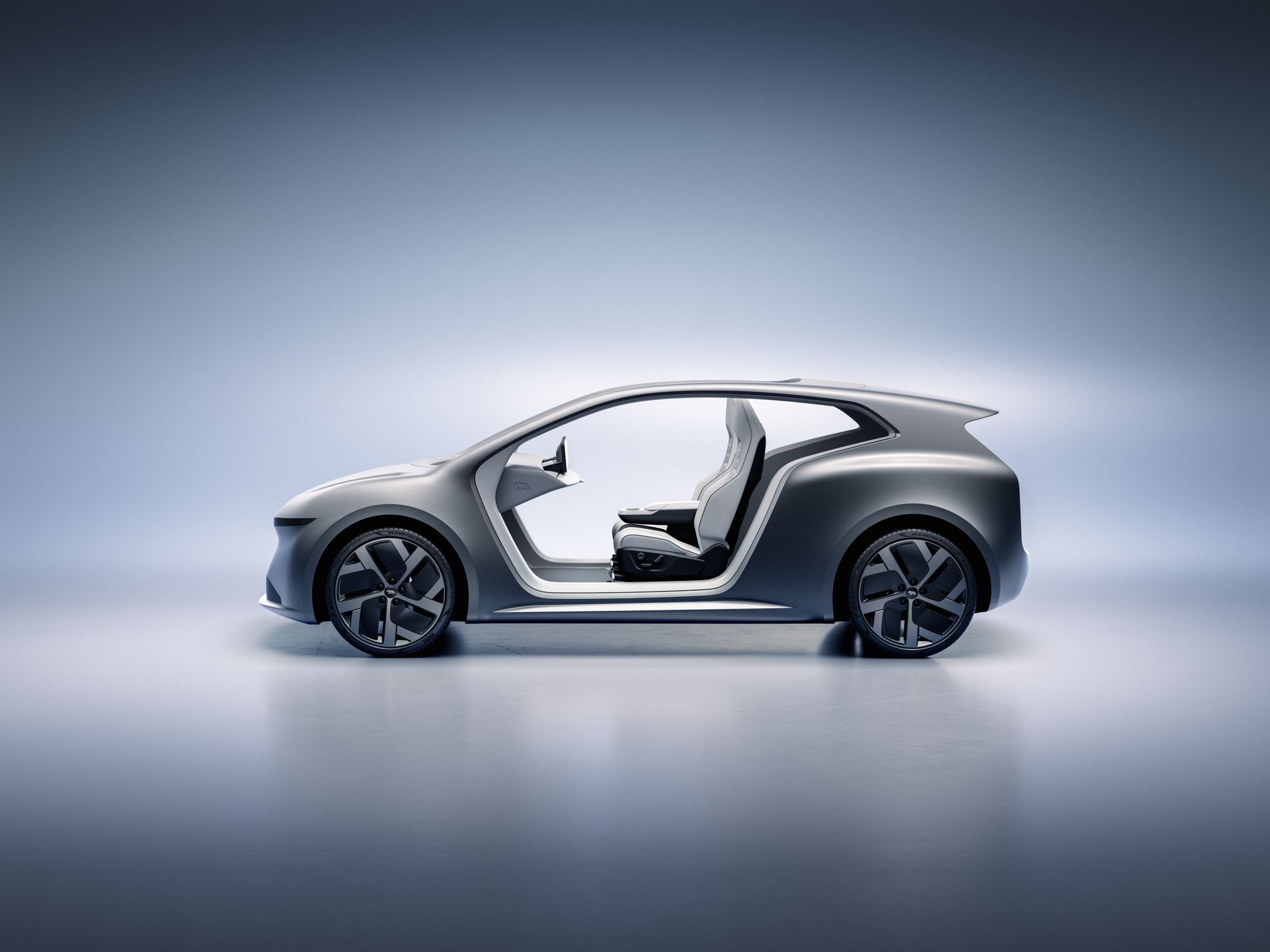
Hamilton said the first two mid-size models are already signed off, with a third still in the final design stage. First to arrive will be the Cosmos, described by Hamilton as a sleeker, sportier, coupe-style crossover. The second, called Earth, will be a more rugged take on the same basic idea. A third model, not yet named, will have a more traditional, boxier SUV look.
“The first car, the Cosmos is a more CUV type coupe with sporty, but still the most space-efficient car and with operating efficiency at its heart. The big focus has been on low weight, smaller batteries, optimal range, but fast charging speeds and a high efficiency drive train, which are very important factors to the more mainstream segment buyers,” Hamilton said.

“And from a business point of view, because of course a lot of it is company car buyers in the UK and also in the major markets in Europe, we have to make sure that we’ve got a good pence per mile type rating, with a lot of factors involved in that.
“So, we’re making the car simpler to build, easier to fix, more efficient, but still sexy and super quick as you’d expect a Lucid to be – but very, very space efficient.
“The design principle is for a swoopy, good-looking performance-looking car but it has still got to take five people and their luggage – you don’t often get that combination. It’s a bit like the Gravity trick with a high-speed seven-seat supercar idea.”
That focus on efficiency is central to Lucid’s pitch. The company started life as a battery technology business called Ativa in Silicon Valley in 2007, before turning that expertise into cars. Hamilton describes Lucid as “a technology company that makes cars”, adding that the brand sits across both worlds.
Lucid’s claim is that by making its motors, batteries and aerodynamics work harder, it can use fewer battery cells to deliver the same, or better, range than rivals can. That means less weight, more space, lower charging costs and, in theory, lower vehicle costs, too.
Hamilton said: “We think we’ve solved the range problem because we can make a car that travels for maybe a thousand kilometres, which is more than most people ever need. So for that comfort blanket of range, we’ve demonstrated the technology’s there.
“Where we feel the debate will actually move quite quickly is to go back to the normal consumer concern once we hit the mainstream of EV adoption, which is how much does it cost me to go from A to B?

“If we have the most efficient powertrains, it’ll costs less to charge a Lucid than it does to charge another vehicle for the same kilometre distance. And the example we always like to give – which it’s unfair to call that the competition – is if you take a product like Cadillac Escalade IQ, it has the same range as the gravity, but it has twice the size battery.
“Literally it costs twice as much to travel the same distance because you need twice as many kilowatts to fill the battery. And that’s where I think efficiency is going to start coming into play.”
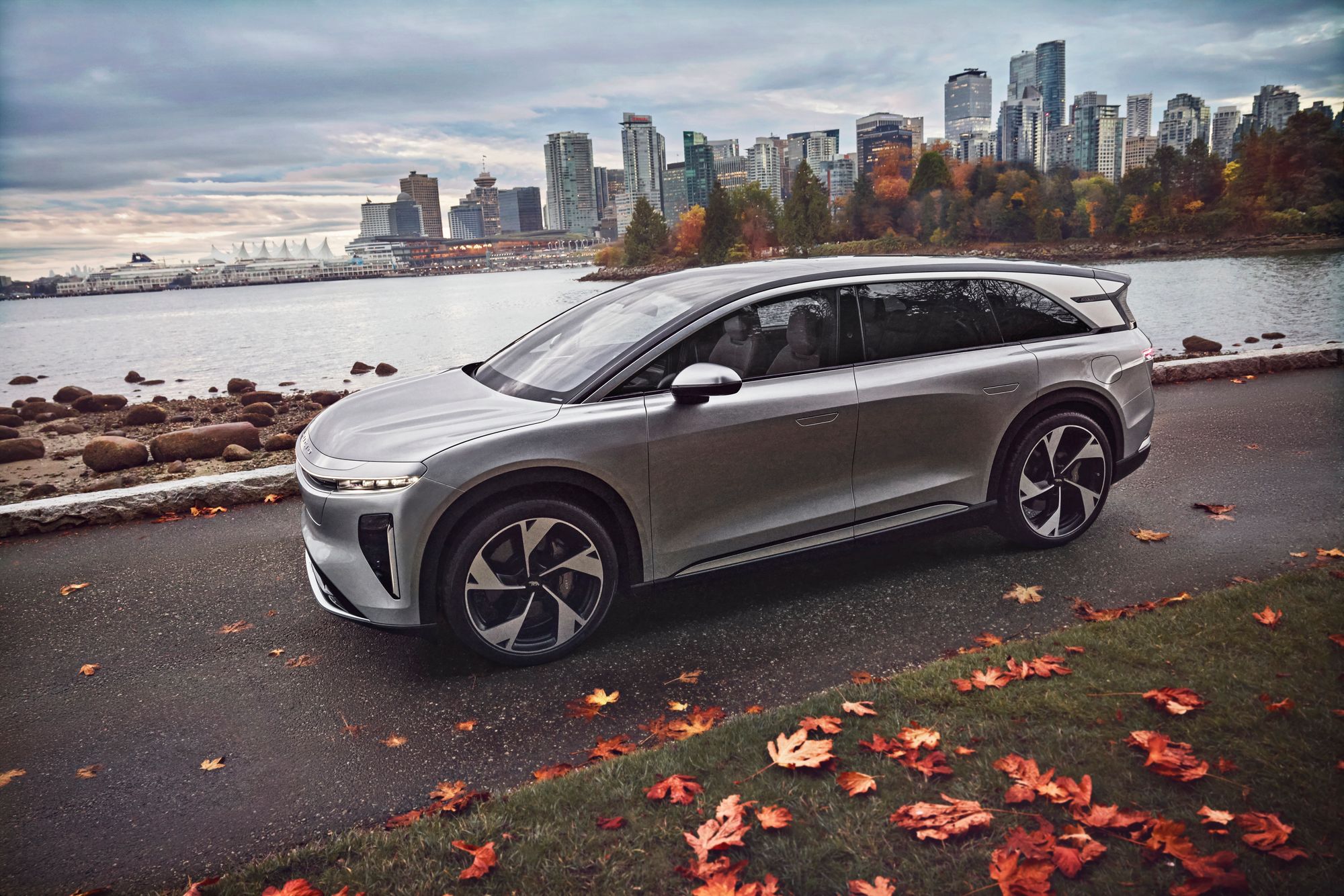
Lucid’s current Air saloon has already been used as a statement of intent. Hamilton calls it “a fantastic proof of concept vehicle” and “an icon product”, while the Gravity applies similar thinking to a large SUV. Both have also proved they can impress beyond the Lucid bubble, with the Air and Gravity each earning World Car Awards recognition. For a company still building awareness in Europe, that sort of independent global validation should help when it asks UK buyers to consider a new badge in a very competitive premium market.
But the real volume opportunity, especially in Europe and the UK, is the mid-size platform. Hamilton said that Lucid will remain a premium brand, but hinted that its engineering targets are set higher than its commercial rivals.
“I would say the way Lucid thinks in general is we set our engineering benchmarks for ride and handling dynamics performance much higher than we necessarily set commercial ones. This is where we create the advantage of saying, for example, for Volvo money you get Porsche performance – because we just want to make cars that beat Porsche or beat Lexus or whoever we set our engineering benchmark at.”
Lucid’s mid-size models will be built in Saudi Arabia, with the company also considering production at its current production plant in Arizona in time. That Saudi link is important, because Lucid’s largest backer is the country’s Public Investment Fund. Hamilton said that gives the company an important level of long-term support at a time when not every EV startup is expected to survive.
“PIF are involved with Lucid and they have been since before we went public – they’re one of our major shareholders and backers and continue to be so,” he said. “Fundamentally what Saudi Arabia wishes to do is to create an industrial sector, which they previously didn’t really have. It was an oil-based economy – I had the privilege of working in Saudi for a couple of years, so I sort of understand it a little bit from a societal structural point of view. So they need to create jobs and they need to create an income for themselves as a country for the long term.”
He added: “From that point of view, we don’t see them backing out. They’re not in it for the short term and they continue to provide fantastic support. We need to raise money and generate results just like any organisation that’s been invested in and that’s what we’re working very closely with them to do – so, we have that stability. And I guess that’s another fundamental point of difference between us and some of the other EV startups is we have a very solid and strategically aligned backup.”
Lucid also wants to be more than a car maker and its technology supply deal with Aston Martin remains part of the picture. But the question is, will Lucid be sharing its tech even wider with the “Lucid Inside” plan very much active?
“One hundred per cent we wish to share the technology,” he said. “With the mid-size car we have an even more efficient, smaller, lighter second generation drive unit coming. Again, there are many applications of that, which we see across different industry sectors as well. We can’t talk about any of the conversations we’re having with other OEMs or other applications until they become public, but absolutely it’s part of our model to share what we know.”
That thinking also stretches into autonomous transport. Hamilton pointed to Lucid’s involvement with Nuro and Uber on a robotaxi project, using Lucid hardware as part of a three-way arrangement.
“We are quite focused now on the robotaxi business,” he said. “And I would say that is an example of sharing a technology with another sector. With Nuro and Uber, we have this three-part arrangement to essentially help put a robo-taxi fleet on the ground.”
Lucid’s future cars are also being engineered with higher levels of autonomy in mind. Hamilton said: “We’ve got a partnership with Nvidia, which essentially will mean we’ll have Level 4 autonomy available. And if my understanding of L4 is correct, you can still drive the car if you want, but you don’t have to. L5, I think is when literally there’s no ability to drive the thing yourself, but we are equipping all the vehicles for L4. The mid-size will come L4 equipped. Gravity will be able to be L4 as well because we build the cars in with the hardware and computing power to future-proof them.”
Looking at Europe specifically, what does Lucid want from legislators to boost take-up of electric cars like Lucid’s? Hamilton’s message is simple: support the transition, make the rules clear and make EV charging easier to use.
“The issue I would say is, and the learning from Norway, is just make your mind up and be consistent and stick to something because that removes the uncertainty,” he said. “I’m a great believer in electrification. I think it’s going to happen anyway.”
And with Lucid now preparing a more affordable, more space-efficient, more UK-friendly range of electric SUVs, the brand’s British story is moving from possibility to plan. And it just looks like early 2028 is the date to circle.
BMW, Mercedes and Audi face a new challenger – and it’s not Chinese
This all-electric BMW has been named World Car of the Year 2026
Lucid Gravity review: Seven-seat Tesla rival heaving with tech
New brands versus old brands – who’s going to win in the EV game?
Jeep Avenger gets smarter new look and 248-mile EV range
Used electric car sales hit record high as buyers hunt for cheaper EVs