
AUTUMN started with a splash but ended with merely a trickle as Newcastle recorded one of its driest Mays in more than 60 years.
The 2.6mm registered for the month - all of that coming in the past week - only narrowly beat the 2.1mm recorded in 1957.
The 0.2mm which fell on May 26 broke a run of 36 days without a drop in the city, according to Bureau of Meteorology data.
That's in stark contrast to the beginning of the season in March, when 129mm fell as much of NSW suffered devastating floods.
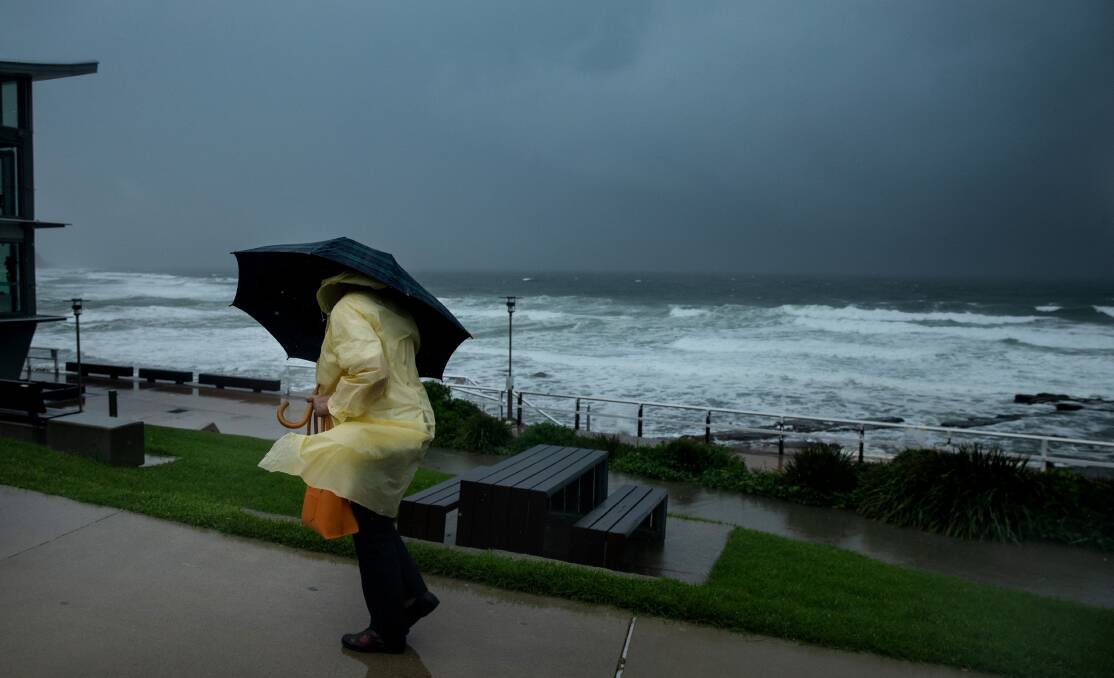
Despite that saturated start to autumn, the 146.4mm which fell in Newcastle from March to May means it's one of the drier seasons on record, well below the average 349.2mm across that period.
Just over 242mm has fallen in the first five months of 2021, more than 300mm below the January-May average of 544.9mm.
With just 14.8mm falling throughout April, it means Newcastle has had only 17.4mm of rain in more than 60 days, a period when it would, on average, register about 230mm.
On the temperature front, the city's hottest May day came on May 8 when the mercury hit a top of 25.1 degrees, almost 10 degrees warmer than the Saturday just gone when the temperature inched its way to a maximum of 15.7 degrees.
The coldest night for the month came on May 16 when the temperature plunged to 7.6 degrees.
Bureau of Meteorology climatologist Dr Lynette Bettio said Hunter residents could, most likely, expect a warmer than average winter.

She said Newcastle's recent dry spell was consistent with observations from the past 20 years, which showed a trend towards drier than average conditions in Australia's south during autumn and early winter.
"Our climate drivers are currently neutral, meaning we're not getting El Nino or La Nina bringing particularly dry nor particularly wet conditions to the continent," Dr Bettio said.
"Warmer ocean temperatures to the north of Australia may increase the moisture available, enhancing rainfall and resulting in a wetter than average dry season across much of northern Australia but as it is dry season, rainfall totals will not be high."
The Bureau of Meteorology will release its autumn summary on Tuesday.




.jpg?w=600)