A new comprehensive review suggests that screening men for prostate cancer using a blood test could reduce deaths from the disease, though experts continue to highlight significant risks associated with overdiagnosis and unnecessary treatment.
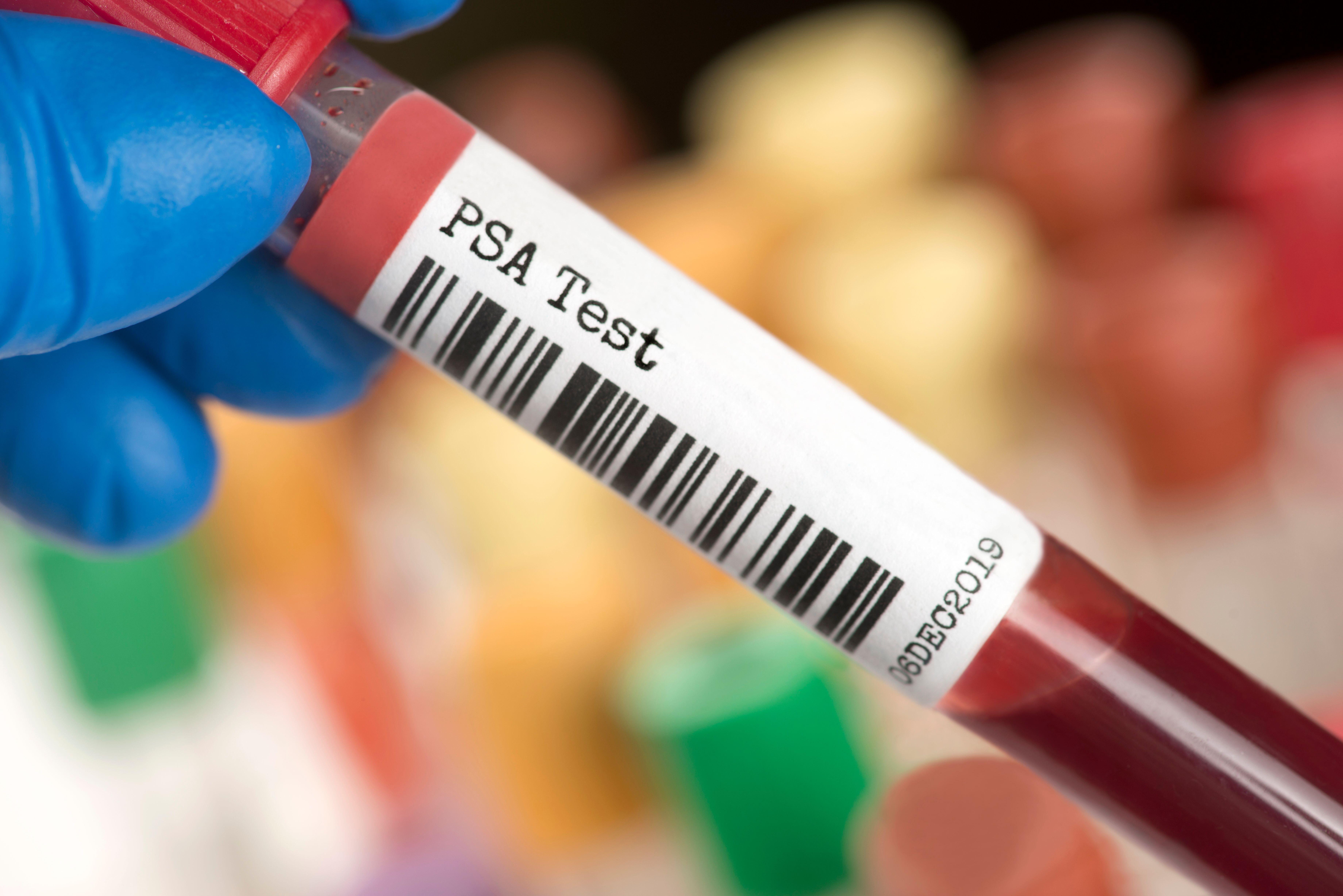
The findings, which analysed data from nearly 800,000 patients, are prompting a renewed discussion around the use of the prostate specific antigen (PSA) test, despite researchers acknowledging its "imperfect" nature.
Prostate cancer remains the most common cancer among men in the UK, with over 64,000 diagnoses annually. However, widespread screening for the condition has long been a contentious issue. Critics argue that the PSA test, which measures a protein produced by the prostate, is unreliable. It can lead to false positives, where men with high PSA levels do not have cancer, or false negatives, where those with normal levels may still be affected.
Furthermore, the test often identifies harmless tumours, leading to invasive treatments with potential side effects such as incontinence and erectile dysfunction. Cancer Research UK has previously stated the test is "not effective enough."
The latest Cochrane review examined six trials involving 789,086 patients, primarily men aged between 50 and 70. The analysis revealed that without screening, 16 out of every 1,000 men would die from prostate cancer. Screening reduced this figure by two deaths, bringing it down to 14 per 1,000 men.
This marks a shift from a 2013 Cochrane review, which concluded that screening did not significantly impact mortality rates. However, the current research did not assess the impact on quality of life, including complications from biopsies or sexual and urinary problems.
#ProstateCancer remains the only major cancer without a national screening programme.
— Prostate Cancer UK (@ProstateUK) July 22, 2025
It’s about time things changed.
After years of research and campaigning, we’ve reached a crucial turning point.
🎥 Watch the full film: https://t.co/RuBUPFcNit#MensHealth l #Screening pic.twitter.com/JemHmYwD21
Dr Juan Franco, the first author from Heinrich Heine University Dusseldorf, pointed to other studies estimating the overdiagnosis rate for prostate cancer to be between 20% and 50%. He reiterated that the PSA is "an imperfect test" and stressed the diverse nature of prostate cancer. "There are very aggressive kinds that can cause death, but there’s also very benign forms that take the whole life to grow and perhaps never cause any problems for men," Dr Franco explained. "That is what we call overdiagnosis and that is another side effect related to the screening." He added that the test can "detect a lot of benign cancers in men that ultimately would have never had caused any problems and those men who received the diagnosis may receive treatment," potentially leading to "radiation, surgery, hormone therapy and they may suffer the side effects of those treatments."
Conversely, senior author Dr Philipp Dahm from the University of Minnesota suggested the findings "support a conversation about PSA screening." He stated, "With new data now available, we can now say with moderate certainty that PSA screening reduces prostate cancer deaths in men with a sufficient life expectancy." Dr Dahm believes this provides "a reasonable evidence base to support a conversation about PSA screening" for "the right patient – someone who is well-informed, has a good life expectancy and understands the full implications of screening." He anticipates this "represents an important change in the evidence for future guideline developers and policy-makers to consider."
Despite these insights, Dr Franco cautioned: "We want to be clear that this is not a blanket endorsement of universal screening." He emphasised that "the decision should always be made between a patient and their doctor, with a full understanding of both the potential benefits and the very real risks of overdiagnosis and unnecessary treatment."
Currently, the UK does not operate a national prostate cancer screening programme, although men over 50 can request a PSA test from their GP. In November, the UK National Screening Committee (UKNSC) advised against recommending widespread PSA testing, concluding it "is likely to cause more harm than good." Their only recommendation was for men with BRCA1 and BRCA2 genetic mutations, who face a significantly higher risk, to be screened every two years between the ages of 45 and 61.
Reacting to the Cochrane review, Dr Ian Walker, executive director of policy at Cancer Research UK, commented: "This is the most comprehensive study of prostate cancer screening to date and highlights why there isn’t currently a widespread screening programme in the UK." He reiterated that "the test currently used to detect prostate cancer is not effective enough." Dr Walker noted that while the review suggests saving "one to two lives from prostate cancer for every 1,000 men screened," it also indicates "around 30 more men could be diagnosed with the disease, many of whom would never have been harmed by their disease and could go on to have unnecessary treatment with long‑term impacts like the loss of bladder control and erectile dysfunction." He concluded that the study "shows the complex challenge of balancing benefits against unintended harms when informing recommendations around screening."
Dr Matthew Hobbs, Director of Research at Prostate Cancer UK, said: “This is an important study, which provides a robust review of the current clinical trial evidence on PSA screening, consistent with other recent work. We know from past trials that screening based on PSA can save men's lives, but not nearly enough. These findings again show that there is some benefit from PSA-based screening, with 2 deaths prevented per 1000 men screened.
“However, 87 per cent of deaths from prostate cancer still happen, and the review also highlights that the risk of overdiagnosis remains high. More research is needed to plug critical evidence gaps and to find the safest and most effective way to screen men for prostate cancer, ensuring the benefits outweigh the harms. Prostate Cancer UK’s TRANSFORM trial is up and running and is designed to find those answers. It will fill gaps left by the last generation of screening trials and will invite more Black men than any other screening trial has ever done, so we can also build the evidence base we need for the group of men who have the most to gain from effective screening."
“In the meantime, we must ensure that all men at risk of prostate cancer can make informed choice about whether or not to have a PSA blood test, so each man can decide what is best for him. This research shows again that this is not a simple decision, and we must be honest with men about the benefits but also about the potential harms. Prostate Cancer UK’s website and our 30 second online Risk Checker are the best starting point for men to get the balanced, evidence-based information they need make their own choice about what to do next."
The debate continues as the first men have recently been tested as part of the landmark Transform trial, funded by Prostate Cancer UK and the National Institute for Health and Care Research. This study aims to compare various methods, including genetic tests and 10-minute MRI scans, to identify the safest and most cost-effective approach to screening for the disease.
Correction: This article was originally published with an incorrect quote attribution and has since been updated.
Weight-loss jabs could halve workplace sickness, study finds
Government bans 11 ‘far-right agitators’ from entering UK for Tommy Robinson rally
Such great heights: They're tall, they're proud — and they're getting together
Southport survivor ‘devastated’ after NHS staff accessed records without reason
Wes Streeting backs Andy Burnham for Makerfield by-election
Inflation to ease in April – before oil prices drive fresh surge later this year