SAN DIEGO — Hands-on learning. Face-to-face interactions. Study sessions in the student union. Workouts in the student gym.
That's what students said they signed up for — and were required to pay for — when they attended universities across the country last spring.
But, they argue, it's not what they got once the coronavirus drove them off campus. And now they want their money back.
Class-action lawsuits calling for partial reimbursement of tuition and fees are continuing to amass nationwide — from Ivy League institutions to goliath state university systems to small private colleges — with potentially hundreds of millions of dollars at stake.
Lawsuits challenging the entire University of California and California State University systems — which encompass UC San Diego, San Diego State University and Cal State San Marcos — are already deep into litigation. If certified as class actions, the cases could incorporate more than 750,000 students combined.
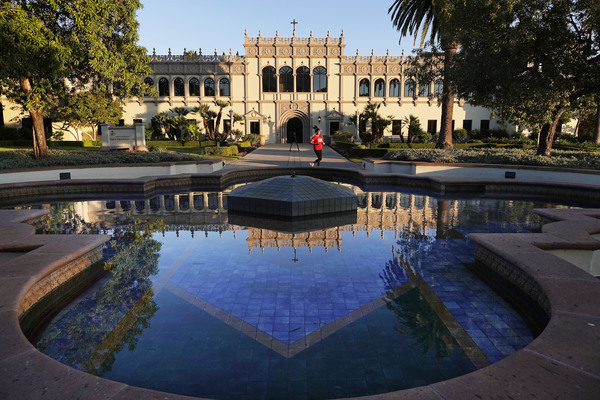
And the University of San Diego is facing similar claims in a case filed on Oct. 1.
The lawsuits don't begrudge the universities for abruptly closing campuses to prevent the spread of COVID-19. But they are asking courts to weigh who should bear the financial burden of any fallout.
And while the litigation will ultimately be decided on legal questions, the lawsuits are also serving as a backdrop for a larger conversation about the value of a four-year degree, whether earned in a traditional college setting or online, and the soaring costs oftentimes associated with it.
"There have been these questions about value bubbling under the surface for a long time, and the pandemic burst that wide open," said Tamara Hiler, director of education for Third Way, a centrist think-tank that has polled on higher education policy and attitudes.
"We're willing to pay something," she said, "but what exactly are we paying for?"