Many people are likely eating or drinking too much as they stay at home longer following the declaration of a state of emergency to help stem the spread of the new coronavirus. Poor eating habits can harm a person's overall health, so we asked an expert for advice on ways to improve the situation.
"I'm not getting enough exercise but I end up eating sweets. Sometimes I eat too many sweets and skip dinner, but the amount I'm eating every day has gone up," worried a 60-year-old female company employee in Yashio, Saitama Prefecture. The stress she feels from being unable to freely go out turns toward eating, the woman said.
According to registered dietician Reiko Hashimoto: "We're spending more time in the house, and the energy we expend drops by about the equivalent of a bowl and a half of rice. A lot of people will likely gain weight if they continue to eat the same amount they have until now."
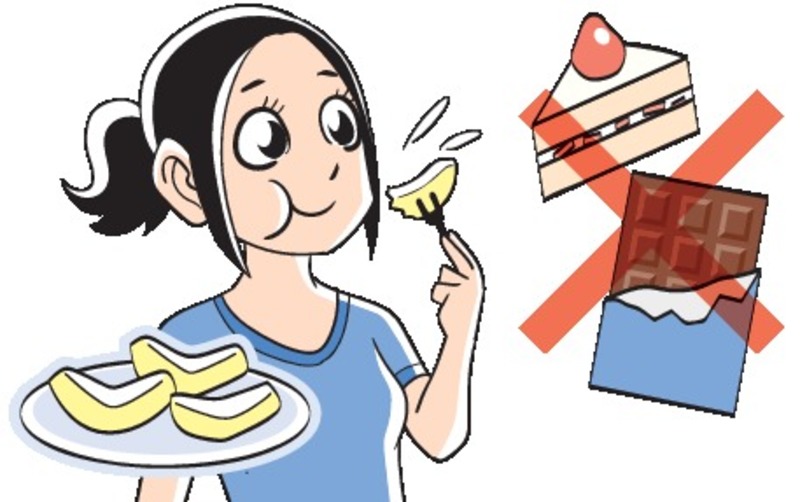
If one of the new living habits we've acquired since being asked to limit going out is lazily eating between meals, let's establish set times for eating. Fundamentally there should be four to five hours between meals. Don't snack if you feel hungry, but wait for the next meal.
If you do want to snack, set priorities. Think of the total amount you consume in one day -- for example, if you eat one manju sweet a day, reduce the amount of rice you have at dinner by half. We should also choose such snacks as reduced-calorie foods, fruit and yogurt.
Instant foods and other such items have a lot of salt, so we should take such steps as warming things like bean sprouts and spring cabbage in the microwave and eating them together with the high-salt items. The potassium in vegetables helps the body excrete salt.
"Our nutritional balance is established over the course of about a week, so it's okay to have a day on which we indulge ourselves," Hashimoto said. "If we use this opportunity to think about our dietary habits and take action, it could also have a positive effect on our future lives."
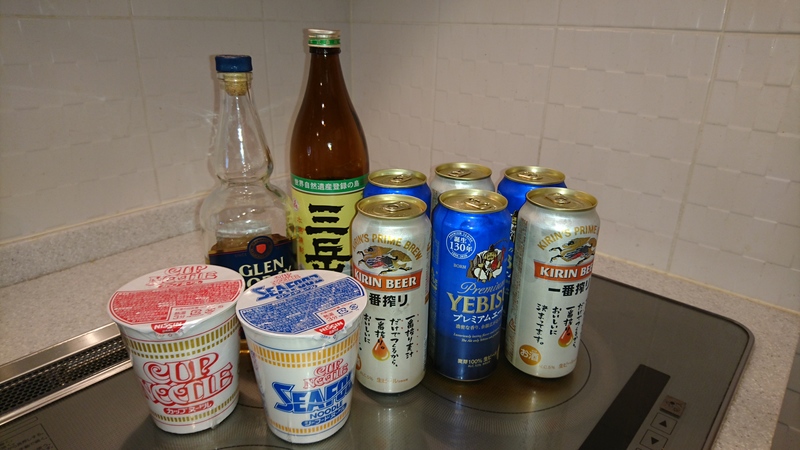
The stress of not being able to go out also leads sometimes to alcohol. A 64-year-old housewife in Sakai used to drink about three times a month but she's now doing so every night.
"I can't go out, and there's so much bad news, so I just end up wanting to drink," the woman said. "I stock up in advance, so I find myself reaching for the second bottle."
"People's sense of proximity with others is changing, so more people may end up drinking too much," said Prof. Keitaro Yokoyama of the Jikei University School of Medicine. "Some may fall into alcoholism, so care needs to be taken," Yokoyama warned.
People who want to have a pleasant feeling of closeness with others and closely communicate with them will experience stress when they are forced to distance themselves due to such measures as remote work and limits on one's activity. In contrast, married couples and others who have maintained a certain amount of distance between them will sometimes feel stress from being together for long amounts of time.
When people try to relieve this stress through alcohol, it can lead to addiction.
To prevent this from happening, people need to change their behavior. For example, if we stop stocking up on alcoholic beverages and keep a record of how much we consume, it can help prevent us from drinking through force of habit.
When we feel like drinking, we can distract ourselves by engaging in physical activity or some other action that can't be combined with drinking.
It's also important to determine why we're drinking and eliminate the cause. If being alone is stressful, talk to someone through teleconferencing systems or other means.
Yokoyama said: "To avoid alcoholism, we need to replace the current anxiety with hope for the future. I hope people can use use this as an opportunity to try things they couldn't do before, like finding a new hobby or studying something, and win out in the battle against the infections."
Read more from The Japan News at https://japannews.yomiuri.co.jp/