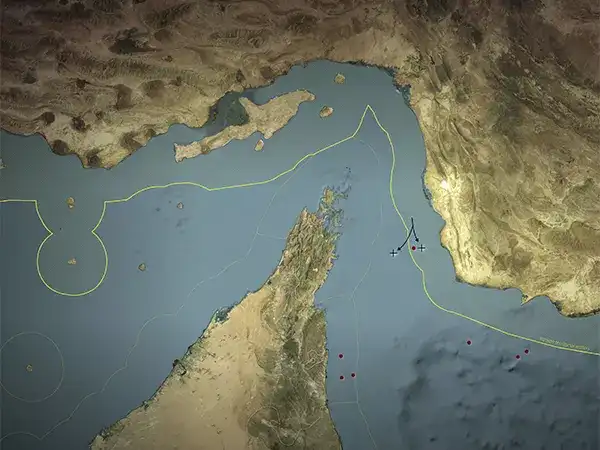
Strait of Hormuz remained the most focal point during Iran war, which began on February 28 with U.S. and Israeli air attacks on Iran, has killed at least 7,000 people, mostly in Iran and Lebanon. It also pushed up energy prices, stoking inflation worldwide. Brent crude ticked higher on Friday, but stayed set for a weekly fall of around 8 per cent after the Lebanon ceasefire, and oil shipments through the Strait of Hormuz picked up after the signing of this week's deal.
The strait carried nearly a fifth of global crude oil and liquefied natural gas supplies before it was blockaded by Iran during the war. The body set up by Iran to manage the strait said on Friday it would waive planned fees during the interim deal's negotiation period.
Israel and Hezbollah agreed to a ceasefire in Lebanon on Friday after an escalation in fighting there jeopardised the chances of an interim agreement on ending the war in Iran turning into a lasting Middle East peace deal. U.S. President Donald Trump's special envoy, Steve Witkoff, is traveling to Switzerland for the first round of talks with Iran on a potential nuclear deal, Axios reported on Friday, citing a U.S. official.
The development comes a day after Vice President JD Vance canceled plans to attend the talks, which were called off amid the renewed fighting in Lebanon. That escalation has raised fresh uncertainty over the fate of negotiations critical to reopening the Strait of Hormuz to global shipping.
Trump told NBC News he had spoken with Israel and asked it to agree to the ceasefire.
A memorandum of understanding signed this week by the Iranian and U.S. presidents left discussion of Iran's nuclear programme and other tough issues until later, giving the sides 60 days to reach a lasting agreement or extend the interim deal.
Preparations for technical talks to start in the Swiss mountaintop resort of Buergenstock were far advanced when the White House said on Thursday that Vance would not attend.
The Swiss foreign ministry said the talks had been postponed and that Switzerland remained ready to facilitate them and the relevant preparatory work was continuing.
The broad interim deal requires the United States, Iran and their allies to declare an immediate and permanent termination of military operations on all fronts, including in Lebanon.
Israel, left out of the talks, says it is not party to the deal.
Iran's Foreign Minister Abbas Araqchi, in a phone call with his Pakistani counterpart on Friday, said the U.S. would be responsible for any violation of its commitments under the deal, including ending the fighting in Lebanon, his ministry said.