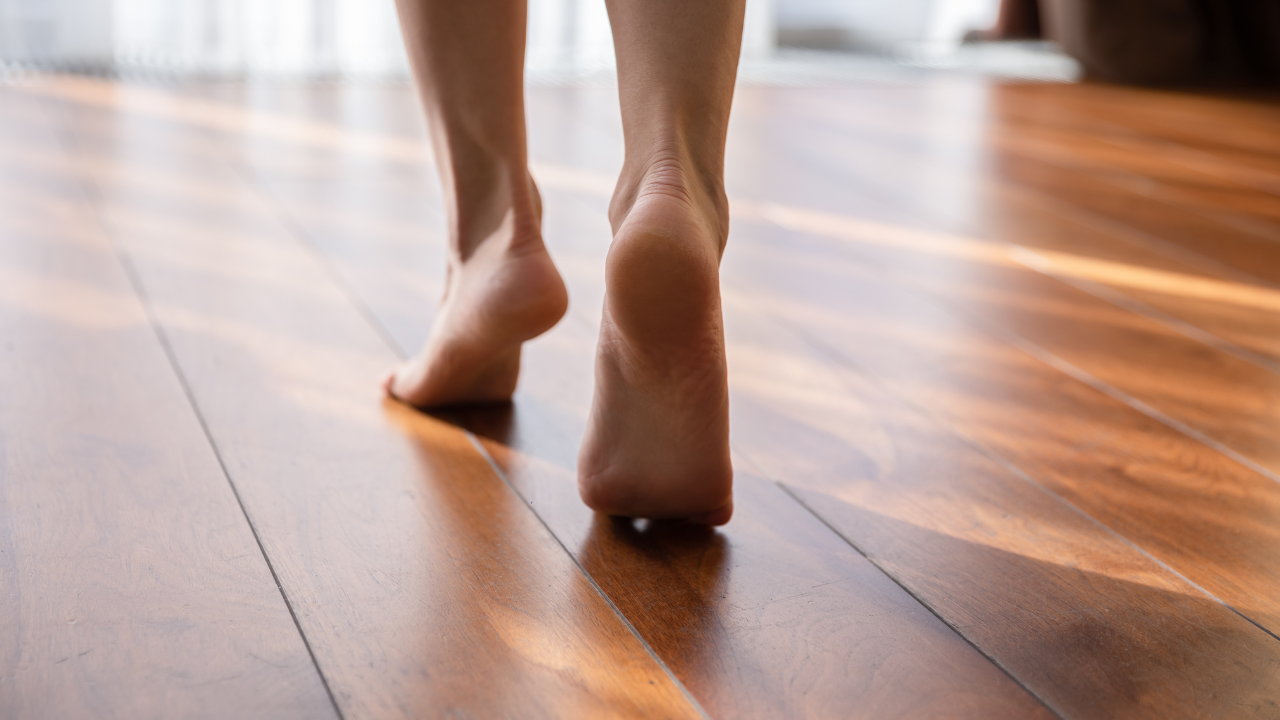
While walking barefoot at home might feel comfortable and an easy choice, it comes with a hidden set of risks that could impact your health in surprising ways. Many people enjoy the sensation of cool tiles or warm carpets under their feet, but the habit could be causing more harm than good. Here is why one should consider swapping bare feet for some cosy indoor footwear.
What are the hidden dangers of going barefoot?
Increased risk of foot injuries
Walking barefoot at home might seem harmless, but it can actually increase the risk of various foot injuries. When we walk without any protection, we're more likely to hurt our toes, step on sharp objects, or slip on wet surfaces. These minor accidents can lead to cuts, bruises, or even more serious injuries like fractures. A study published in the Journal of Foot and Ankle Research highlights that barefoot walking increases the risk of injuries, especially in older adults.
Exposure to pathogens and allergens
Our home might look clean, but it’s a playground for microorganisms. Walking barefoot exposes our feet to bacteria, fungi, and allergens that can lead to infections or skin irritations. The American Podiatric Medical Association notes that walking barefoot can increase the risk of fungal infections like athlete's foot and plantar warts, which thrive in warm, damp environments often found on bathroom floors.
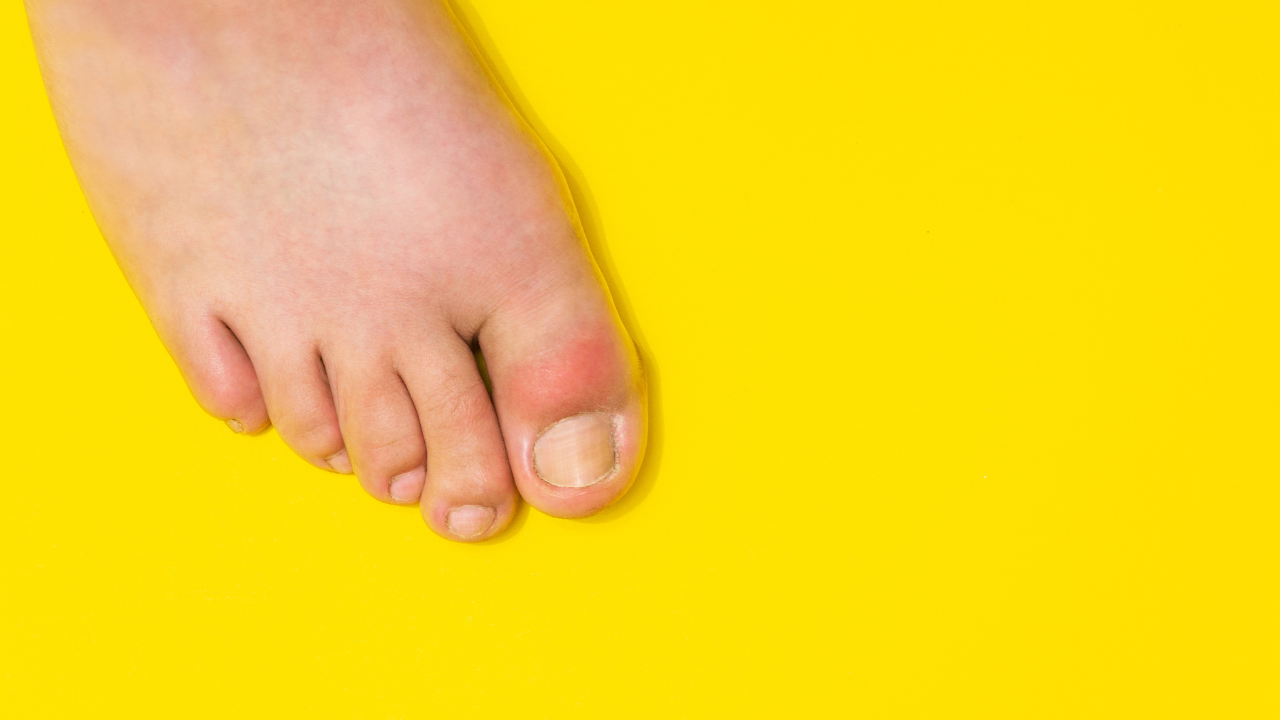
Can trigger Planter facitis and Achilles tendonitis
Over time, walking barefoot can cause structural changes to your feet. According to research from the University of Western Australia, walking barefoot frequently can lead to conditions like plantar fasciitis and Achilles tendonitis due to the lack of arch support and cushioning that shoes provide. These conditions are often painful and can require long-term treatment or even surgery.
Poor posture and back pain
Our feet play an important role in supporting our entire body. Without the proper support from shoes, one might be placing undue stress on our feet, which can affect our posture and lead to back pain. The National Institute of Neurological Disorders and Stroke mentions that inadequate foot support can contribute to musculoskeletal problems, including lower back pain and knee issues.
Can lead to permanently cracked heels
One of the lesser-known risks of walking barefoot at home is the potential for developing permanently cracked heels. When our heels lack the protection of footwear, they are exposed to dry air and friction from walking on hard surfaces. This can lead to the skin on our heels becoming dry, cracked, and sometimes painful. Properly fitting indoor shoes or slippers can help prevent this condition by providing a barrier and cushioning for our heels.
What are the benefits of wearing footwear at home
Enhanced foot protectionWearing slippers or indoor shoes provides a barrier against sharp objects, hot surfaces, and slippery floors. This simple precaution can significantly reduce the risk of injuries and accidents at home. Shoes with good traction can prevent slips, especially in areas like the kitchen or bathroom where water spills are common.
Improved hygiene
Indoor footwear can help keep our feet cleaner by reducing direct contact with the ground. This minimises the risk of infections and keeps our feet free from dirt and allergens. A study from the New England Journal of Medicine highlights that using indoor footwear can help prevent the spread of foot-related infections by reducing contact with contaminated surfaces.
Better support and comfort
Footwear designed for indoor use often includes cushioning and arch support, which can alleviate pressure on our feet and provide comfort during long periods of standing or walking. According to the American Orthopaedic Foot & Ankle Society, shoes with proper arch support can help maintain healthy foot alignment and reduce the strain on our feet and legs.
Improved overall posture
Shoes that offer adequate support help maintain the natural alignment of our feet and spine, which can enhance our posture and reduce the risk of back pain. The American Chiropractic Association notes that good foot support is important for maintaining a healthy posture and preventing chronic pain in the back, hips, and legs.