
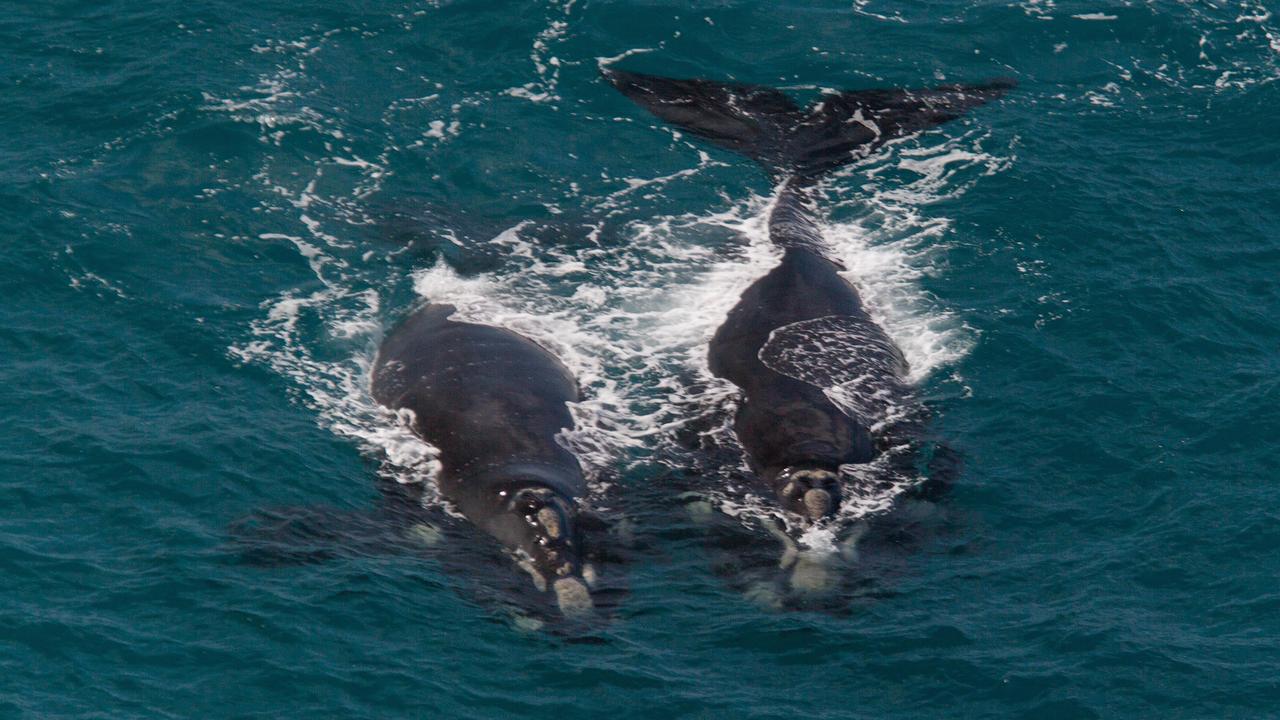
Boaties, swimmers and divers are being asked to keep their distance from a rare visitor to Australia's east coast - the endangered southern right whale.
The famously docile but inquisitive and playful dorsal-less marine mammals infrequently swim into harbours and alongside beaches.
Wildlife authorities became concerned when a mother and calf recently spotted off Sydney attracted close attention from locals.
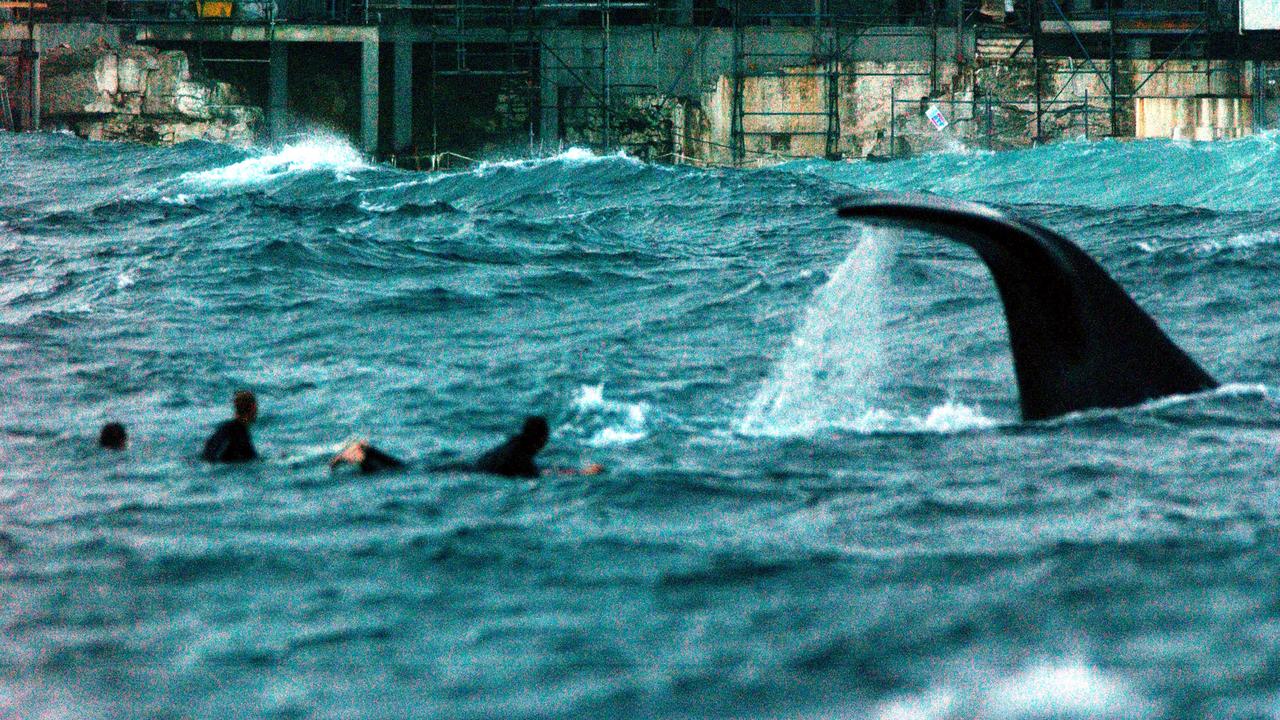
NSW National Parks and Wildlife Service (NPWS) has subsequently issued a special order for all vessels to stay at least 500 metres from right whales sighted along the state's coast.
Swimmers are to refrain from venturing closer than 100m.
The order will remain in place until November 30, when the breeding and calving season ends.
"Doing the right thing by southern right whales means the southeast Australian population has a better chance of recovering," NPWS project officer Andy Marshall said.
"I would like to think that future generations will be able to see these incredible animals and be awed by them, in the same way we are today."
Southern right whales readily attract notice as they tend to stay close to land and move slowly on the surface.
Although rare, they are easily recognised.
Identifying features include a distinctive V-shaped blow when they exhale, a large, broad body and the absence of a dorsal fin.
White markings on their faces and heads known as callosities are also a giveaway, as are their angular black tails.
Unlike humpbacks, mother and calf southern right whales spend more than 90 per cent of their time in waters shallower than 20m and often less than 500m from shore.
The citizen science project Right Whale ID has been tracking individual whales for the past six years.
NPWS says researchers have found even a single swimmer approaching too enthusiastically can trigger a significant negative behavioural response.
The service's staff will collect witness accounts when people venture too close to southern rights and investigate where warranted.
Non-compliance could result in fines or court appearances.