Have you noticed more smoking on screens lately?
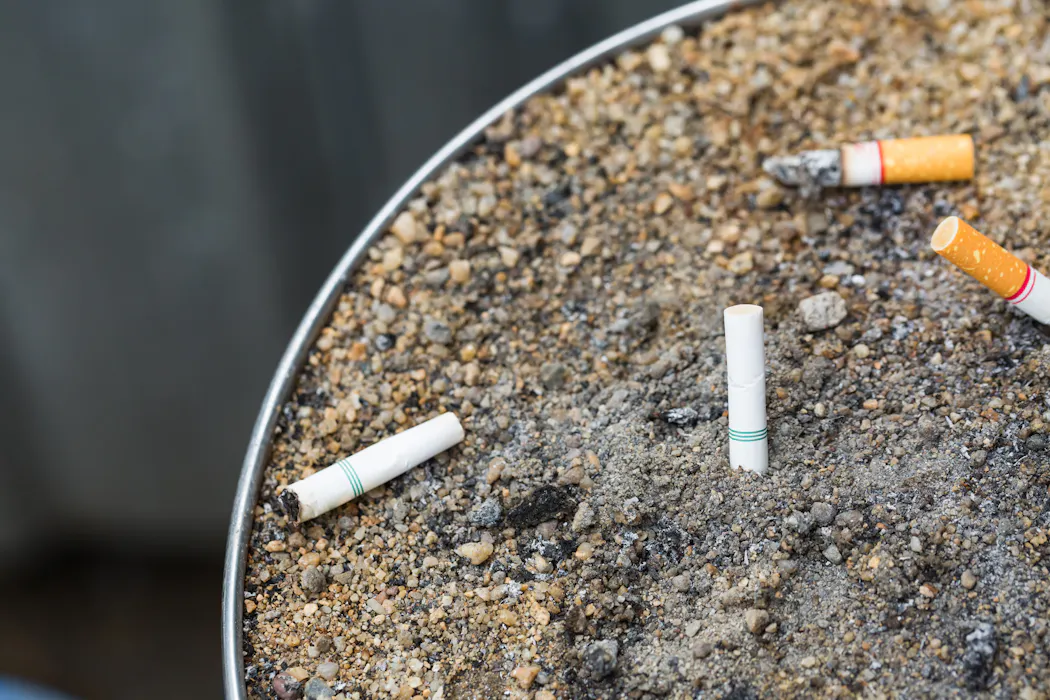
Social media feeds are littered with images of celebrities smoking at fashion events, in music videos, at parties and on the cover of Vanity Fair. Just as 1990s fashion has made a comeback, it can feel like cigarettes are having a major cultural resurgence.
But social media posts aren’t a proxy for research and data. The latest National Drug Strategy Household Survey results released today tell a far more important story: smoking rates in Australia are still declining.
In 2025, 5.6% of Australians aged 14 and over smoked daily. This is down from 8.3% in 2022–23. Among adults aged 18 and over, daily smoking fell to 5.8%.
Australia is now very close to achieving its national target of reducing adult daily smoking to 5% or less by 2030.
Current smoking (daily, weekly, or less than weekly) among young adults aged 18–24, an age group highly targeted by tobacco industry marketing, also fell to 6.1% in 2025.
What about vaping?
Daily e-cigarette use (vaping) among people aged 14 and over remained stable at 3.6%, rather than continuing the steep increases seen in previous years.
Among young adults aged 18–24, current e-cigarette use (daily, weekly, monthly, or less than monthly) fell from 20.6% in 2022–23 to 14% in 2025.
And there was no compensatory rise in smoking. This is important because critics of Australia’s stronger vape laws had warned restrictions would push young people towards cigarettes. These results don’t support this claim.
Instead, the results suggest Australian legislation adopted in 2024 that limited vape sales to pharmacies only is working to stop a new generation becoming addicted to harmful nicotine products.
Can we trust these results?
While research results should always be cautiously interpreted, it’s reassuring the 2025 National Drug Strategy Household Survey results are consistent with other 2025 Australian state surveys that also show a continued downward trend in smoking.
While there are some differences in findings across surveys that can be accounted for by variations in methods, who was sampled, response rates and data collection timing, collectively these surveys present a similar trend: fewer Australians are smoking.
The National Drug Strategy Household Survey is one of Australia’s most trusted national surveys. Its strengths include its large national sample, long-running design, continuity of questions over time, and independence in both the survey commissioning agency and data collection.
The main limitations are that the response rate has not yet been released. It’s likely some subgroups of the population were harder to reach, such as people experiencing homelessness. The survey provider also changed in 2025, which may have impacted the results.
Nicotine pouches are the new product to watch
Nicotine pouches are small, flavoured sachets, like miniature teabags, placed between the lip and gum.
The National Drug Strategy Household Survey 2025 survey asked about nicotine pouch use for the first time, finding 1.8% of Australians aged 14 and over had used pouches in the previous 12 months.
This figure needs careful interpretation as it only asks about use in the past year so cannot be compared with daily smoking or vaping prevalence.
Because pouches sit against the gum, they may cause oral irritation, lesions, or inflammation. Their biggest risk, however, is nicotine addiction, particularly among young people who may never otherwise have used nicotine.

The tobacco industry targets young people with these products through their discreet design, flavours and social media promotion.
What about illicit tobacco?
Illicit tobacco is a serious and ongoing threat to efforts to reduce smoking. The 2025 survey found that among those who smoke, around one in three (34%) recently bought or used illicit tobacco.
This is a substantial increase from the 16.7% who used illicit tobacco in 2022–2023.
Other reports have estimated the size of the illicit market to be anywhere from 50–60% of the total tobacco market.
Why the difference? Estimates of the size of the illicit market in terms of volume share of the total cigarette market may be higher than estimates of the prevalence of illicit tobacco use because people who smoke illicit tobacco could be smoking more cigarettes per day than people who do not.
Cheap illegal tobacco undermines tobacco control and makes smoking more affordable.
It also exposes the current major weakness in Australian tobacco control: a lack of control of the tobacco supply chain. There are too many shops able to sell illicit tobacco and vapes with too little consequence.
How did Australia get here?
Australia has implemented a comprehensive approach to tobacco control by:
- increasing tobacco taxes
- introducing plain packaging
- banning tobacco advertising and promotion
- creating smoke-free public places
- adopting graphic health warnings
- funding mass media campaigns
- supporting people to quit.
Combined, these efforts make smoking less affordable, less visible, less socially acceptable and easier to quit.
What needs to happen next?
While smoking is not back, now is not the time for complacency. The rise of illicit tobacco and new nicotine products remain a threat to continued success in reducing smoking.
To continue this progress, we need:
- well-funded enforcement action to crack down on illicit tobacco sales
- long-term funding for high-profile anti-smoking campaigns that highlight the debilitating harms and link to support and tools to help people quit
- strong restrictions on how and where tobacco is sold.
Selling cigarettes is a dying business. It’s time Australia adopted a national plan to rapidly phase out the “anytime, anywhere” approach to selling such a dangerous and addictive product.
The survey shows decades of strong public health focus and policy have worked. Now it is time to finish the job.
This article was originally published on The Conversation. Read the original article.