High-profile defendants could soon find it harder to keep their identity under wraps on mental health grounds.
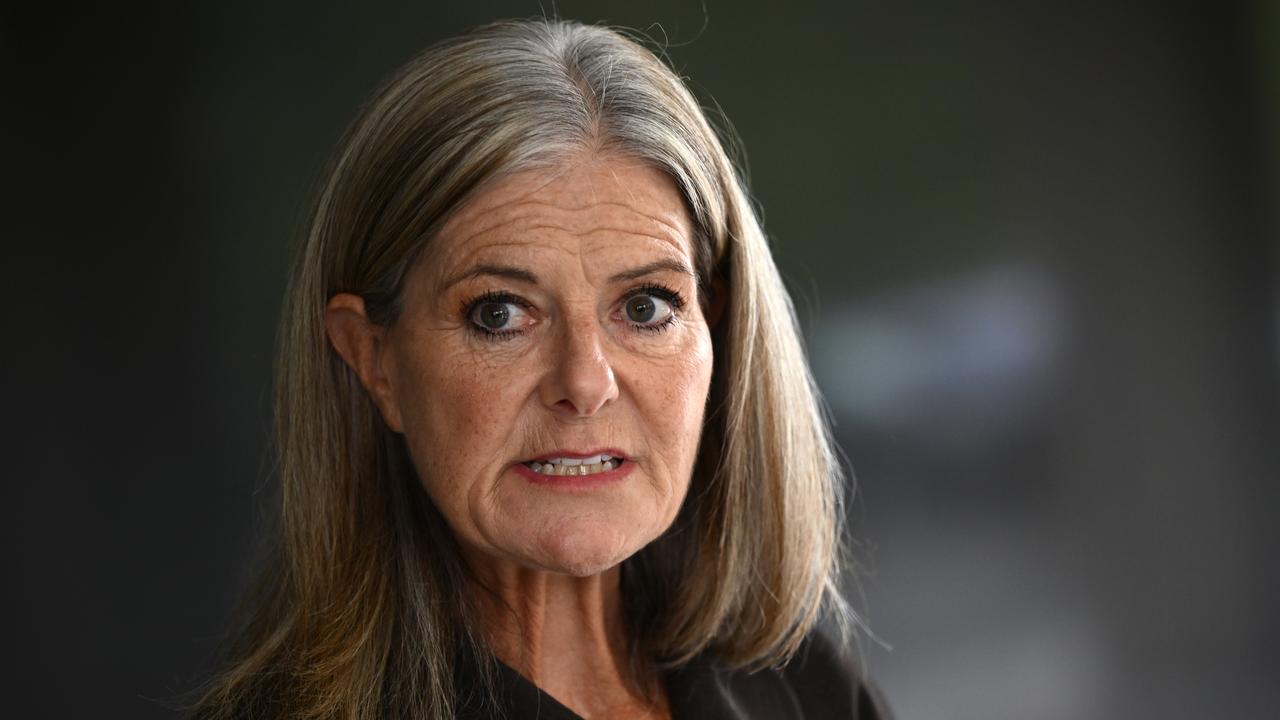
Victorian Attorney-General Sonya Kilkenny has committed to seek advice on possible changes to suppression order laws after a direct plea by media behemoths.
In a letter to Ms Kilkenny, leaders from the Herald Sun, Age, The Australian, Nine, Seven, Network Ten, Australian Financial Review, 3AW, ABC and The Guardian warned of a "significant and concerning increase" in the issuing of suppression orders on mental health grounds.
Grounds for obtaining a suppression order under Victoria's Open Courts Act were changed in 2013 from protecting a person's "physical safety" to protecting their "safety".
The "recent tactic" of arguing mental health grounds was undermining important open court principles, the senior media figures said.
"In some cases the proliferation of such orders is serving to protect accused sex offenders at the expense of open justice," their letter read.
"Tom Silvagni's case is one example where a suppression order resulted in a serious sex offender's trial being heard with a level of secrecy that deprived the public of full reporting on a case of public interest.
"There are similarly high-profile cases about to go before the courts in the first half of 2026."
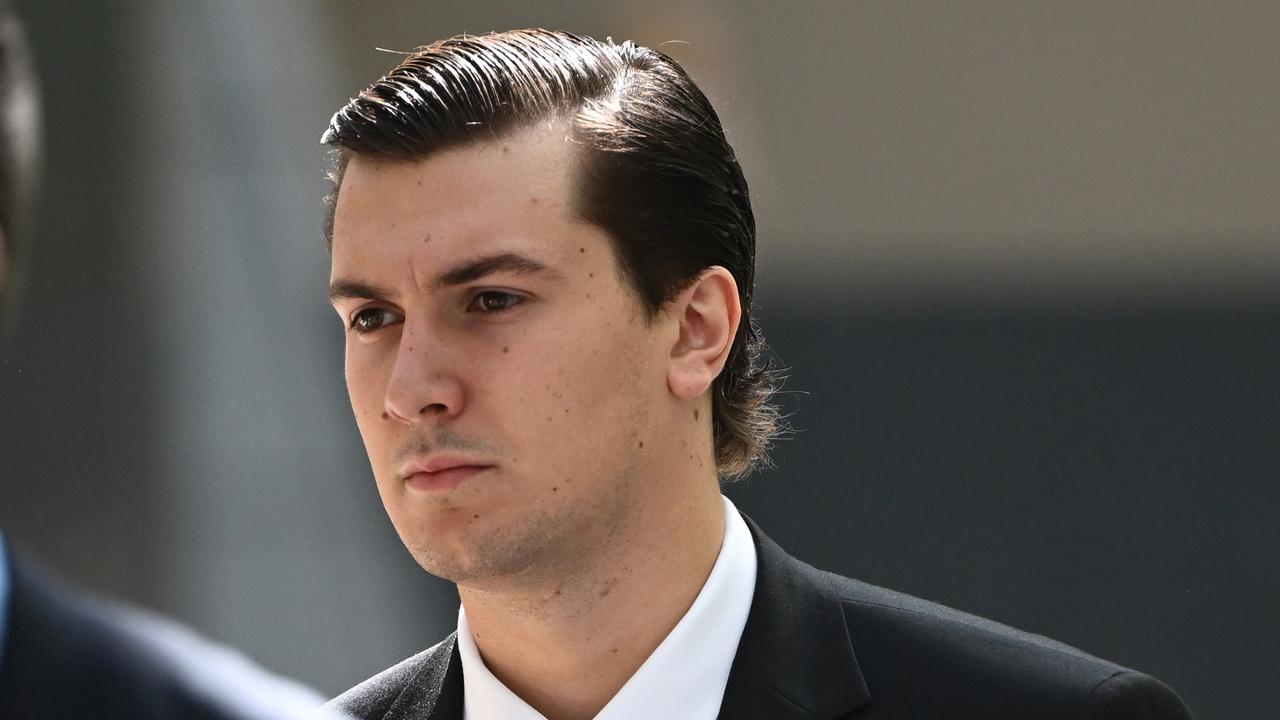
Media were prevented from identifying Silvagni, son of AFL champion Stephen, over mental health fears for 18 months after he was charged with assaulting a woman.
Silvagni was found guilty of two counts of rape on December 5 and had his suppression order lifted on December 10.
Heeding the letter's call, Ms Kilkenny confirmed she was seeking advice into what she described as an "emergency".
"I acknowledge that the mental health needs of offenders and perpetrators are important, but I think it's also important that we take into account the mental health needs of victims," she told reporters on Thursday.
"We've heard from victims that the balance may not be right, that suppression orders are making them feel that their voices are not being heard.
"Suppression orders should only be used in exceptional circumstances, they should be rare and they should be really targeted."
Possible reform options canvassed may not be limited to mental health provisions in the Open Courts Act, Ms Kilkenny said.
"I know one of the issues that has been raised goes to mental health (grounds) and whether that has been perhaps abused and expanded when we are looking at stated purposes to protect the safety of any person," she said.
"I don't want to necessarily say I'll confine myself to that, but I'll be seeking advice on options that might be available."
Research published by Monash University on Tuesday found Victorian courts accounted for 521 of the 1113 suppression orders issued across Australia in 2023.
Supreme Court Chief Justice Richard Niall hit out at the report, declaring it contained misleading claims, selective citations and suppression order data "debunked as incomplete and misleading".
Lifeline 13 11 14
beyondblue 1300 22 4636