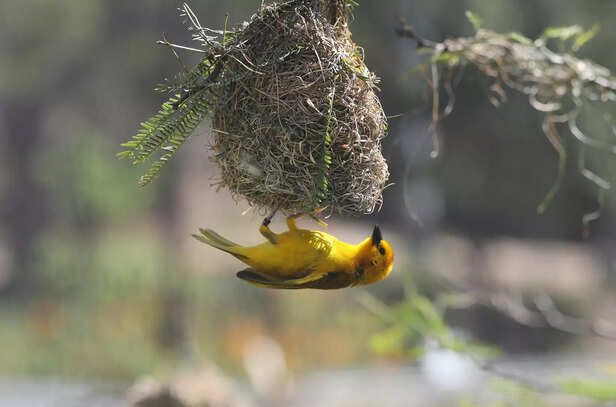
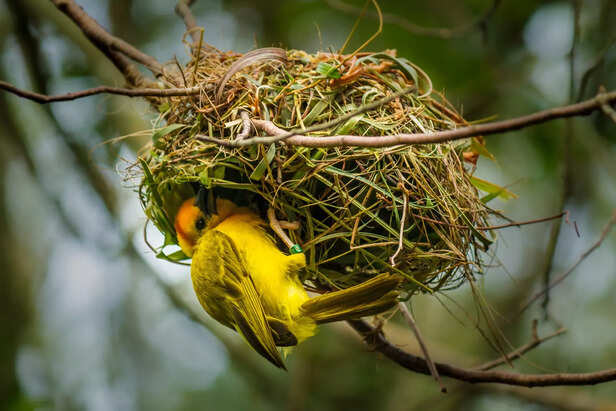
<p>Many birds build nests carefully hidden within flowering trees to protect their eggs from predators and disturbances.</p>
We may celebrate the first day of spring on March, but spring varies for birds. It depending on their location and local geography. For birds in southern areas where the climate is naturally milder, spring-like conditions may occur as early as mid-February. In northern areas with longer, stronger winters, however, it may not feel like spring until as late as mid-April or early May. Thanks to the moderating effects of the ocean, coastal areas often experience spring sooner than inland regions, while mountain areas find spring later on the calendar. Wherever they are, birds note the shifting season in different ways. Changing light levels and longer daylight hours are their biggest clues. Changing food sources and weather patterns also give them indications that spring has arrived.
Ways Birds Change in Spring
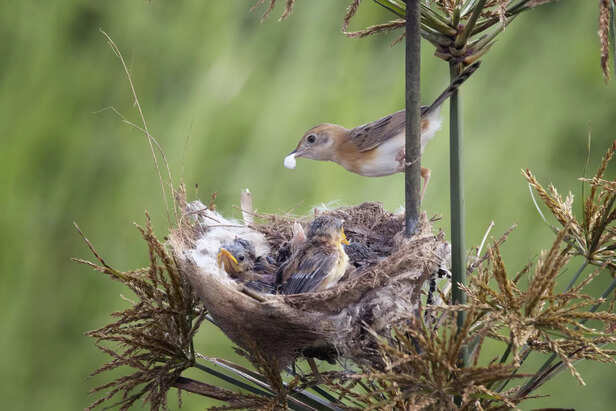
<p>In spring, parent birds work tirelessly to feed their growing chicks and ensure their healthy development.</p>
As the season changes, birds change as well. While different birds change in different ways as the season advances, many birds will:
1. Change Their Appearance
Brighter feather colors and elaborate plumes are popular feathered fashions in spring. Some birds molt in late winter so they are wearing their freshest plumage when spring arrives, while others molt in late summer but wear off the duller, outer edges of their feathers over the winter so they are showing their brightest colors in spring. Many birds also grow long plumes or specialized feather shapes to attract the attention of prospective mates.
2. Find Their Voices
While birds may sound different calls and alarms year-round, their most elaborate, impressive songs are often reserved for spring. They may sing far more frequently throughout the season. Those songs help birds claim and defend territories, as well as impress mates. Even birds that don’t typically sing, such as sage-grouse and woodpeckers, use other noisemaking means such as pounding air sacs or drumming on resonant surfaces to spread the word of their spring availability.
3. Break Up Flocks
While spring is the time when birds may be starting their families, other flocks will break up as spring arrives. Birds that gathered together for safety in numbers throughout the winter will split up as they seek out individual mates. Family flocks that stayed together for months after the last nesting season will break apart as juvenile birds seek out their first mates.
4. Start Dating
Even as bird flocks break up in spring, individual birds are getting into the feathered dating scene. Different birds may temporarily gather in communal to strut their stuff and choose mates, while dancing, songs, acrobatic flights, food gathering, mutual preening, and other tactics are put into play as birds try to impress the strongest, healthiest mates.
5. Change Their Diets
Many people change their diets in spring. Fresh foods become available, or we hope to lose weight before swimsuit season. Birds also change their diets as the season changes. Birds tend to eat more insects in spring as bug populations rise, and birds will also seek out sources of calcium in spring as they get the urge to lay eggs. Both those dietary changes help foster healthier chicks with strong growth and development.
6. Grow More Aggressive
Some birds get decidedly more aggressive in spring. They chase away other birds they may have ignored or even cooperated with previously. Competition can be fierce for the best nesting sites and feeding grounds, and birds feel compelled to defend their territories in order to attract the best mates and improve their chances for passing their genes on to the next generation. This aggression can even be seen when some birds attack their reflections in mirrors, windows, and other shiny surfaces, mistakenly believing those reflections to be intruders.
7. Become Architects
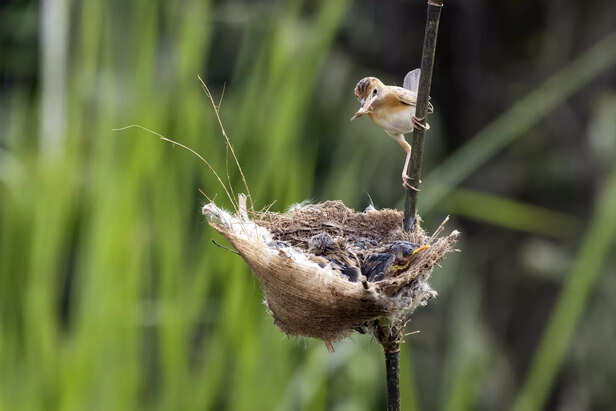
<p>Nesting birds stay alert and protective in spring, as even small disturbances can threaten their eggs or chicks.<span class="redactor-invisible-space"></span></p>
Birds don’t fuss with building shelters throughout the year, but during the spring it is important to construct the perfect nest for cushioning and protecting eggs. To do this, birds will select only the best nesting materials, and may spend hours or days weaving, layering, and adjusting their nests. Some birds even decorate their nests with bits of moss, lichen, leaves, and other materials that help conceal it and reinforce its edges. For some birds, this nest construction starts well before eggs are laid. Male birds may begin nest-building as part of their strategy to attract a willing female. Still, she’ll often redo their handiwork to suit herself even if she finds the mating acceptable.
Why is spring considered as nesting season for birds ?
Spring provides longer daylight hours, warmer temperatures, and abundant food sources like insects and seeds. These conditions make it the ideal time for birds to build nests, lay eggs, and raise their chicks successfully.
Why is nesting time a sensitive period for birds ?
Nesting season is delicate because birds are breeding, incubating eggs, and caring for hatchlings. Disturbances such as loud noise, tree cutting, or human interference can cause stress, nest abandonment, or harm to eggs and chicks.
How can I protect bird during nesting time in my garden ?
You can help by avoiding tree trimming during spring, keeping pets away from nests, reducing loud disturbances, and providing natural food and water sources. Planting native trees and shrubs also offers safe nesting spaces.
Sign up to read this article
Read news from 100's of titles, curated specifically for you.