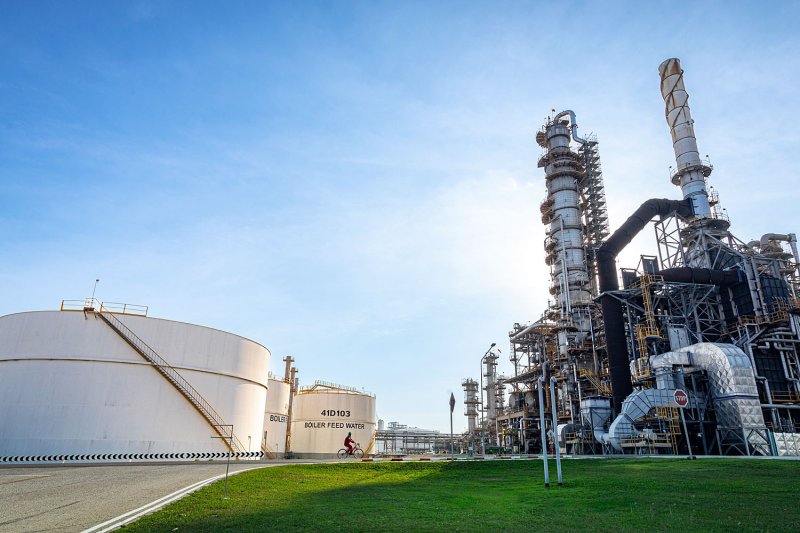
Star Petroleum Refining Plc (SPRC) has entered 2026 with a bold new vision: to transform itself from a standalone refinery into a fully integrated energy provider.
The company's leadership believes this transformation will strengthen its market presence and ensure resilience in an industry facing volatile oil prices and rapid energy transitions.
Chief Executive Officer Herbert Matthew Payne II announced the new mission as SPRC completed the acquisition and integration of Caltex's fuel marketing operations in Thailand. This strategic move, following a transaction with Chevron Asia Pacific Holdings Ltd, positions SPRC to expand beyond refining into retail fuel distribution, creating a stronger value chain that connects production directly to consumers.
At the heart of this transformation lies a clear theme: synergy. By combining the strengths of oil refining and retail operations, SPRC and Caltex's fuel marketing operations aim to achieve sustainable growth that balances profitability with stability.
OIL SYNERGY
SPRC's integration with Caltex's fuel marketing operations marks a turning point in its business model.
The company traditionally supplied 85% of its refined oil to industries such as petrochemicals and transportation, with only 15% going to retailers. This wholesale-heavy structure left SPRC vulnerable to swings in global crude prices and refining margins.

By expanding into retail, SPRC, through its subsidiary, Star Fuels Marketing Limited (SFL), gains a buffer against these fluctuations, said Mr Payne.
Retail fuel sales tend to be more stable, providing more predictable cash flow even during market volatility. Balancing wholesale and retail supply allows the company to optimize value across both segments, ensuring revenue growth while maintaining resilience, said Mr Payne.
"The integration also creates opportunities to build on the combined strengths of SPRC and Caltex, strengthening the company's position across the energy value chain," he added.
The synergy is not just about numbers -- it is about creating a unified energy enterprise that can withstand shocks and deliver consistent value.
BUSINESS CHALLENGES
Despite the promise of synergy, SPRC faces significant challenges in 2026.
Global oil markets remain unstable due to the war in the Middle East, which has triggered price crises and disrupted supply chains.
Domestically, government policies add another layer of complexity. Authorities have instructed local refineries to reduce ex-refinery diesel prices to ease consumer burdens, effectively freezing retail prices.
While this policy helps households and businesses, it squeezes margins and impacts cash flow for refiners like SPRC.
Mr Payne acknowledged these pressures but expressed confidence in the company's financial strength, while reaffirming SPRC's commitment to supporting Thailand's energy security.
VISIONS FOR THE FUTURE
SPRC's leadership has articulated a vision of becoming Thailand's leading energy provider.
The goal is not only to be recognised for refining excellence but also to be the first name customers think of when they consider fuel and service stations.
Shashank Nanavati, executive vice-president of SPRC, who oversees the commercial business, including Caltex service stations, reinforced this vision. He said Caltex has been in Thailand for more than 78 years, earning strong customer loyalty through the quality of its fuel.
"Our mission is to deliver this quality fuel to customers," he said.
Mr Payne said SPRC's decades of experience have taught the company how to adapt and survive in turbulent times.
"We must survive together with our business partners," he said, stressing that resilience and collaboration are central to the company's mission.
With the integration complete, SPRC expects smoother refining operations while its retail fuel business anticipates a stronger Caltex retail network, particularly after its recent turnaround efforts.
INVESTMENT IN SYNERGY
To realise its vision, SPRC has launched several investment projects in 2026.
One of the most significant was the scheduled major refinery shutdown for maintenance and efficiency improvement. Far from being routine, this shutdown yielded strategic benefits during the oil supply crisis earlier in the year.
Through efficiency improvements achieved during its refinery shutdown, SPRC enhanced its flexibility to process crude oil from a wider range of sources. This enabled the company to diversify crude oil procurement during the recent geopolitical crisis, reducing reliance on Middle Eastern supplies from approximately 80% to 30% while increasing sourcing from North America, Africa and Asia, said Mr Payne.
The company also increased jet fuel production capacity by 15%, from 100 million litres per month to 115 million litres, meeting strong demand from the transport and tourism sectors.
The company also improved offshore loading facilities, enhancing safety and reducing risks of oil leakage during tanker operations. These upgrades strengthen SPRC's operational resilience and environmental safeguards.
On the retail side, the Caltex station network is set to expand by 200 outlets over the next several years, bringing the total from 530 stations nationwide. Up to 30 filling stations will be added to the network this year.
This expansion is expected to double retail sales from 100 million litres per month in 2024 to 210 million litres monthly by 2030.
Mr Nanavati said growth will come not only from more stations, but also from improved promotional systems that enhance customer experience.
Despite energy price crises, the company remains committed to its targets, having already achieved 35% of its sales expansion goal, he said.
SPRC is also investing in sustainability projects that balance financial goals with environmental responsibility.
SPRC's integration with Caltex represents more than a corporate transaction -- it is a strategic transformation aimed at building synergy between refining and retail operations.
The challenges of volatile oil prices, government policies and energy transitions are real, but SPRC's vision and investment projects demonstrate a clear path towards sustainable business growth while serving the energy needs of Thai consumers.