
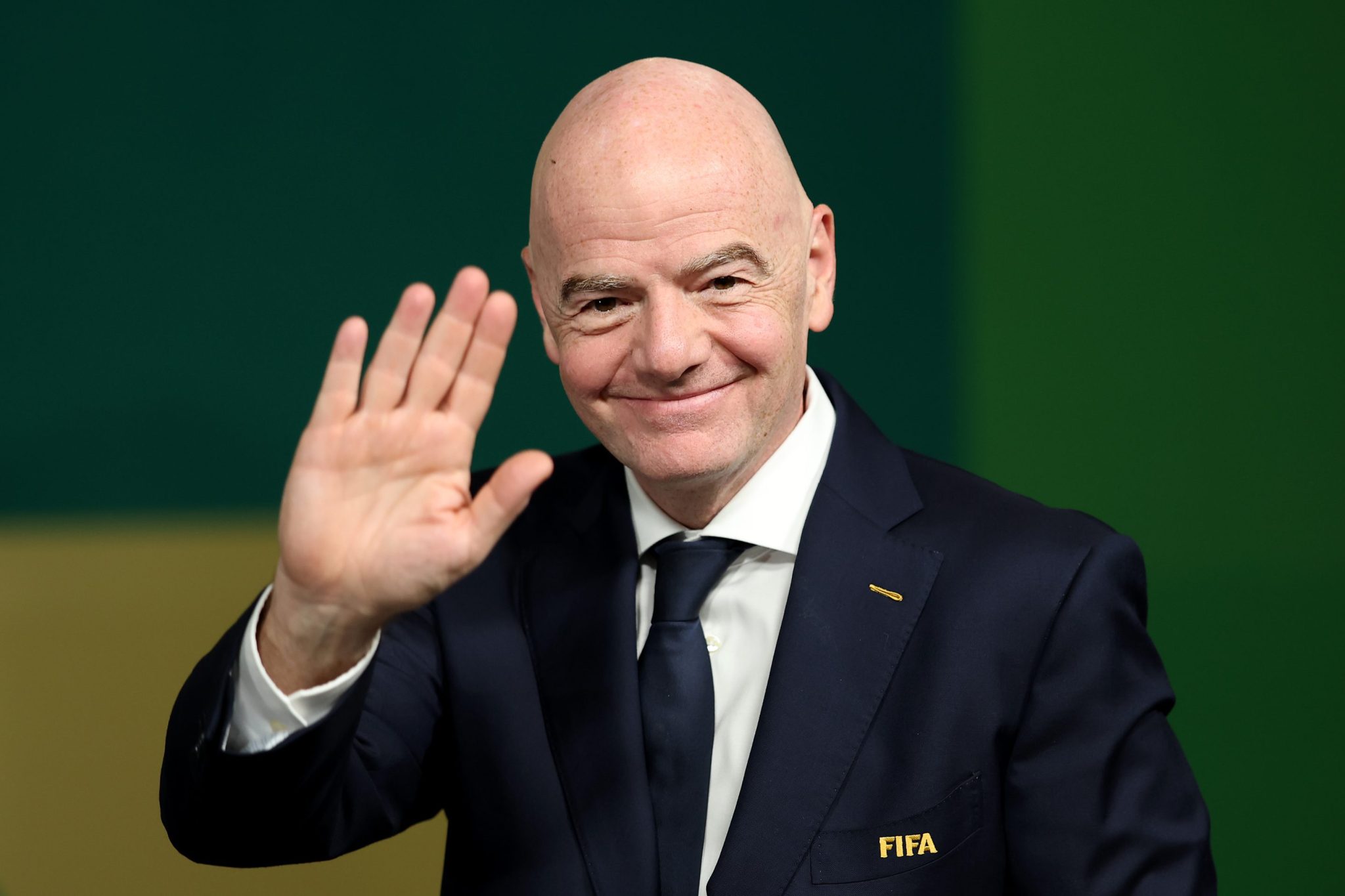
Sports teams, throughout the 20th century, were pretty much trophy assets. Shiny, nice to have, but expected to gleam on the shelf rather than build value.
Not so anymore. The news this week of the proposed deal for FIFA’s commercial rights, in the afterglow of the World Cup, highlighted the new normal: Sports teams are no longer viewed as expensive fun, but serious targets of multi-billion investment, anticipated to grow exponentially over time.
The data bears this out: In 2014, global private equity deal count for professional sports teams and leagues amounted to 13 deals and $1.9 billion in deal value, according to PitchBook data pulled for Term Sheet. By the end of 2025, the global deal count in the sector was 71 deals with $18.45 billion in value.
The deals themselves also snag headlines, and understandably. I certainly looked twice when I saw Ares Management in 2024 buy a minority stake in the Miami Dolphins (valuing my family’s tragic favorite NFL team at $8 billion), or spent a solid hour reading about the 2025 deal valuing the Los Angeles Lakers at $10 billion. (In 2000, the Lakers were valued at $360 million.)
Structural shifts have happened (in both the U.S. and abroad) to make this flood of institutional capital possible. The rules have, on some level, changed. Throughout the 1900s, in North America, many major sports leagues forbade private equity deals, leaving ownership to wealthy individuals and families.
Then, in 2019, the switch came in hot: The MLB that year was first in North America to allow institutional ownership in its teams, followed by the NBA and NHL in 2021, and the NFL in 2024. By that time, the economics of teams and leagues had decisively changed. In the 80s and 90s, even major teams had often been run on razor-thin margins (and were subsidized by owners). As the 2000s and 2010s progressed, however, everything became bigger: Live media rights became serious multi-billion assets, teams became real estate juggernauts, and the economics of teams evolved, too—in a world where luxury taxes and salary caps became more common, owner spending purely for competitive reasons had to temper.
In fact, since 2014, overall total returns for the NBA, NFL, NHL, and MLB have outperformed the S&P 500.
In which case, no matter how you feel about the proposed FIFA commercial rights deal that caused a ruckus this week, there’s more where that came from. As the private markets are bigger than ever—with perhaps as much as $15 trillion in AUM—the next hot, wildly scrutinized deal could very well be for your favorite team. And it could feel personal.
So, if anyone hears anything about the Miami Heat, let me know first.
See you Monday,
Allie Garfinkle
X: @agarfinks
Email: alexandra.garfinkle@fortune.com
Submit a deal for the Term Sheet newsletter here.
Joey Abrams curated the deals section of today’s newsletter. Subscribe here.