Parents rarely expect to pay out of pocket for transportation that is included in their child’s Individualized Education Program (IEP). The Individuals with Disabilities Education Act (IDEA) considers transportation a “related service” when it’s necessary for a child to receive a free appropriate public education (FAPE), making transportation more than just a convenience in many special education programs.
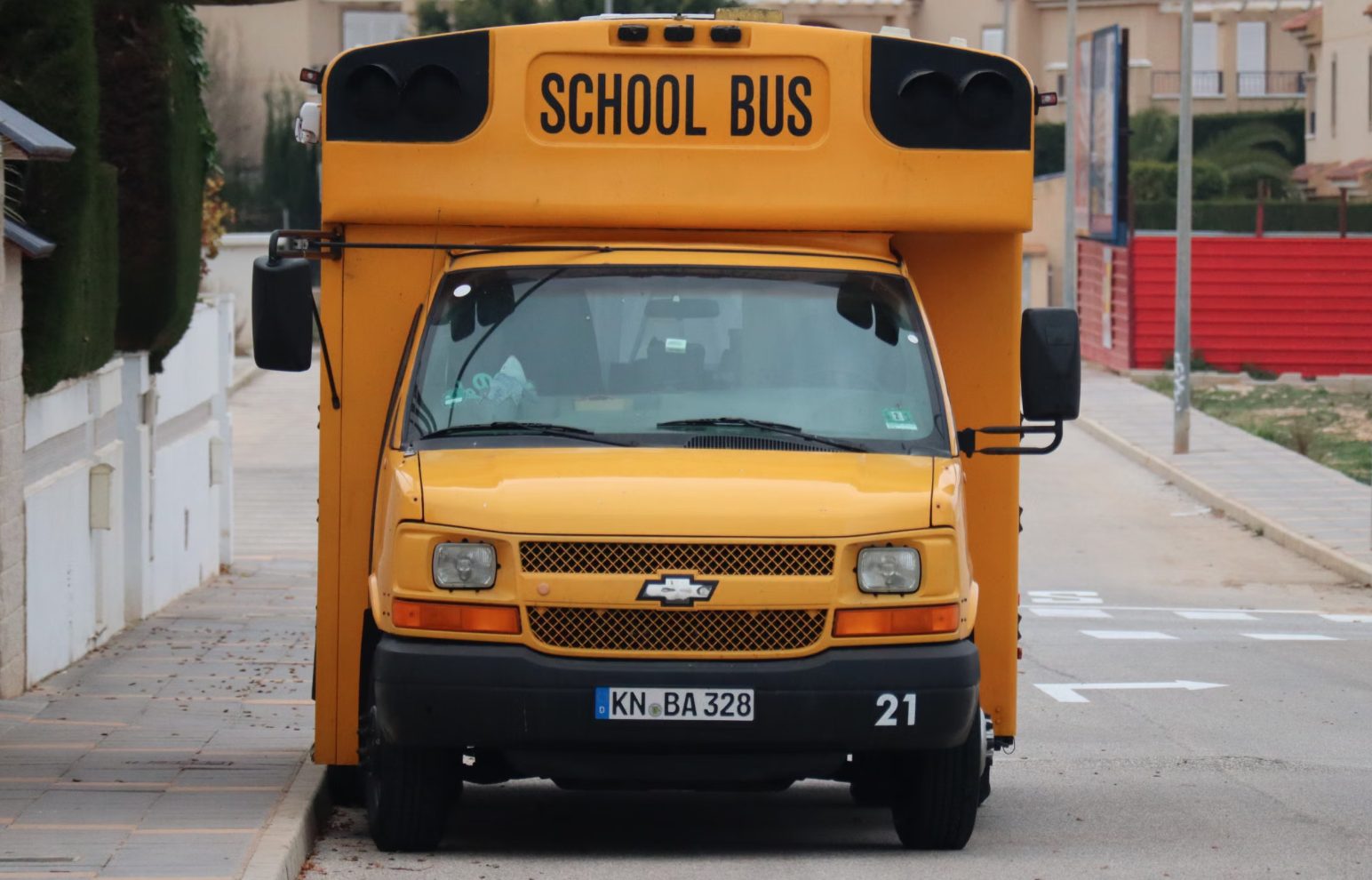
Yet across the United States, some families find themselves covering fuel costs, mileage, rideshare fees, or even private transportation when school districts cannot provide reliable service. Bus driver shortages, rising transportation costs, and staffing challenges have placed additional pressure on special education transportation systems in many communities. Many districts have reported persistent school bus driver shortages in recent years, forcing route consolidations, delayed pickups, and greater reliance on parents for temporary transportation in some communities.
Why Some Families Are Paying for Special Education Transportation
Special education transportation is considered a related service under federal law when it is necessary for a student to benefit from their education. However, transportation challenges have grown as districts struggle with driver shortages, increasing fuel costs, and longer travel routes for specialized programs. In some cases, districts ask parents to temporarily transport their child while staffing shortages are resolved, with reimbursement offered only if both parties agree. Other families report paying transportation costs without reimbursement because they were unaware they could request it or challenge the decision. These situations can create financial stress, particularly for households already managing medical appointments, therapies, and adaptive equipment expenses.
What Parents Should Know About Their Rights
If transportation is written into a child’s IEP, school districts are generally responsible for providing that service at no cost to the family. When a district cannot fulfill its transportation obligation, parents may be able to negotiate mileage reimbursement or another temporary solution through the IEP team. Keeping detailed records of travel dates, mileage, receipts, and communication with school officials can strengthen a reimbursement request if questions arise later. Families should never assume they must permanently absorb transportation expenses simply because a district is experiencing staffing shortages. Every situation is unique, making documentation and open communication essential throughout the process.
When Temporary Solutions Become Long-Term Problems
Many families willingly help during a short-term transportation disruption because they want their child to maintain consistent school attendance. Problems arise when temporary arrangements continue for months without a formal agreement or reimbursement plan. Missing work, paying for gasoline, or arranging private transportation several times each week can quickly add hundreds of dollars to a family’s monthly expenses. Transportation barriers may also reduce attendance, making it harder for students to receive specialized instruction and therapies outlined in their IEPs. Experts continue to warn that transportation challenges remain one of the most significant operational issues affecting school districts nationwide as costs continue to rise.
Practical Steps Families Can Take
Parents who believe they are unfairly paying for special education transportation should begin by reviewing their child’s current IEP. Requesting an IEP meeting provides an opportunity to discuss transportation concerns, document ongoing costs, and explore possible reimbursement options. It is also helpful to maintain organized records that include mileage logs, receipts, attendance records, and written correspondence with district staff. If concerns remain unresolved, families may wish to consult a special education advocate or attorney who understands state-specific regulations. Taking proactive steps early often prevents misunderstandings from becoming expensive long-term problems.
The Road Ahead for Families and School Districts
Transportation challenges are unlikely to disappear overnight, especially as school districts continue balancing tight budgets with increasing student needs. At the same time, families should not be expected to shoulder costs for services that are required to ensure their child receives an appropriate education. Collaborative communication between parents and school districts often produces better outcomes than waiting until financial hardships become overwhelming. Staying informed, asking questions, and documenting every transportation-related expense gives parents a stronger foundation if reimbursement becomes necessary. As transportation systems evolve, informed families remain their child’s strongest advocates.
Protecting Your Child’s Right to Transportation
Special education transportation is more than just getting to and from school—it can determine whether a child consistently receives the educational services they need to succeed. Families who understand their rights, maintain thorough documentation, and communicate proactively with their school district are often better positioned to resolve transportation issues. While staffing shortages and budget constraints are real challenges, they should not shift long-term transportation costs onto parents when those services are part of an IEP. Staying informed and advocating early can make a meaningful difference for both your child and your family’s finances.
Have you ever been asked to pay for transportation your child’s school was supposed to provide? Share your experience in the comments below and join the conversation.
What to Read Next
New York Parents Warn About Rising Transportation Issues for Special Needs Students
What Changes for Your Child’s IEP When They Turn 18
Are You Missing Out? How The Arc Helps Special Needs Families Secure Free Support Outside of School
The post Special Ed Transportation: When Families End Up Paying for Busing appeared first on Kids Ain't Cheap.