Spain's Balearic Islands to double tourist tax amid backlash
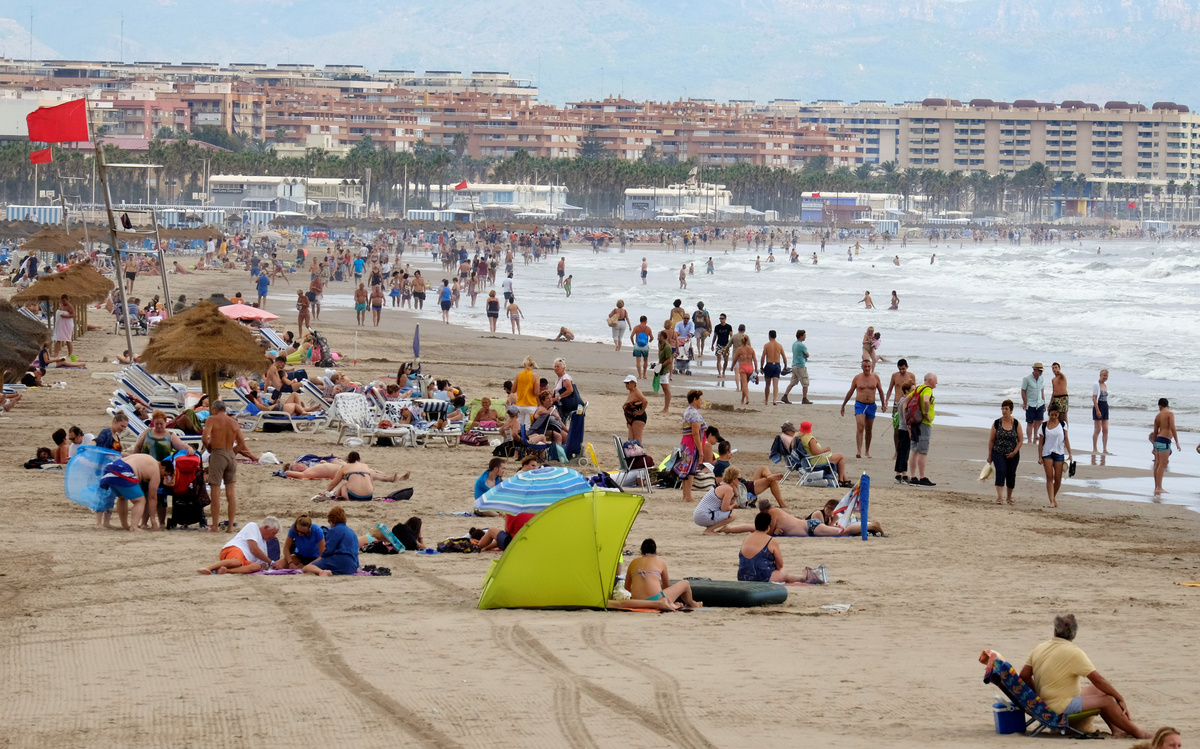
People enjoy the beach as the number of tourists in Spain reached new record levels, according to government sources, in Valencia, Spain September 1, 2017. REUTERS/Heino Kalis
MADRID (Reuters) - Spain's Balearic Islands will hike tourist taxes on visitors to the Mediterranean archipelago from 2018, with the average doubling to 3 euros per person amid growing unease among local residents over the effects of mass tourism.
The increases are one of several new measures taken by the local government to cope with the damaging effects of mass tourism, at a time when other Spanish regions have also been experiencing a backlash against an influx of visitors.
The islands are one of Spain's most popular tourist destinations and were the second most visited region in Spain during July, after northeastern Catalonia.
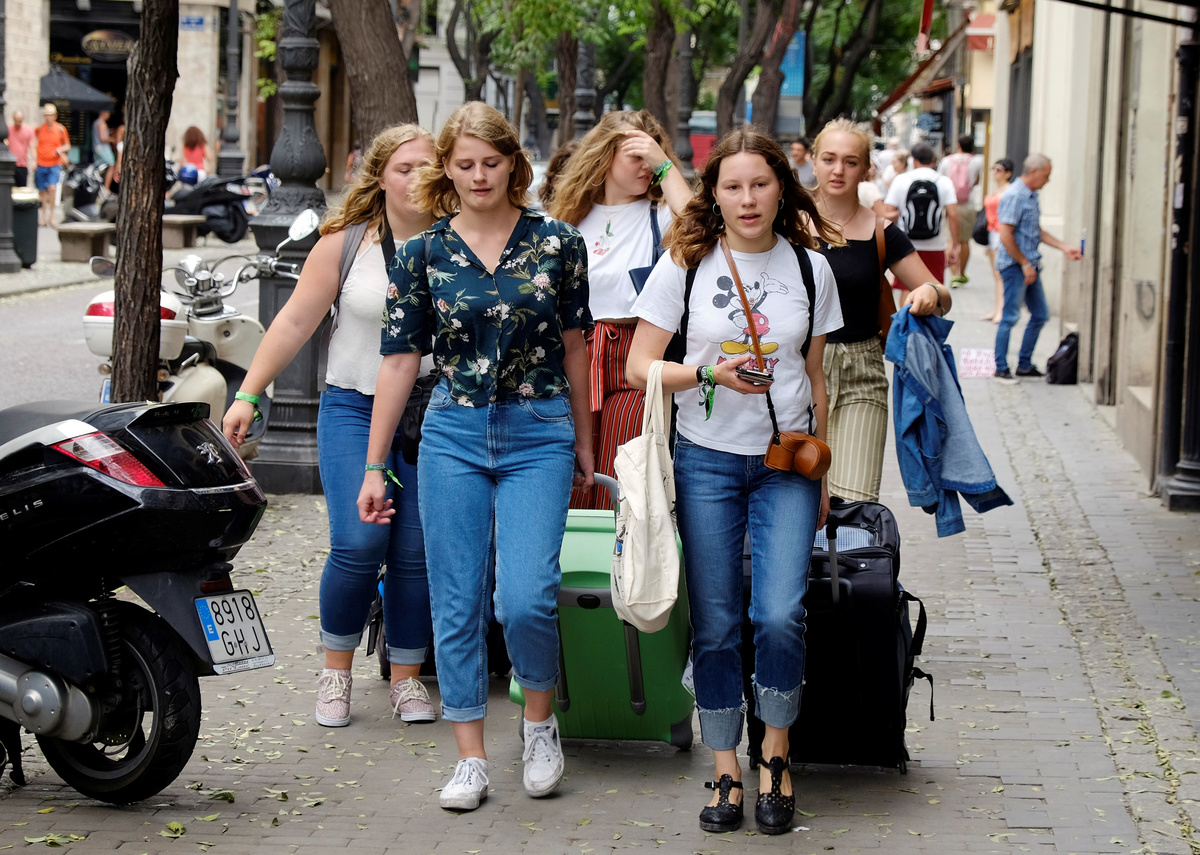
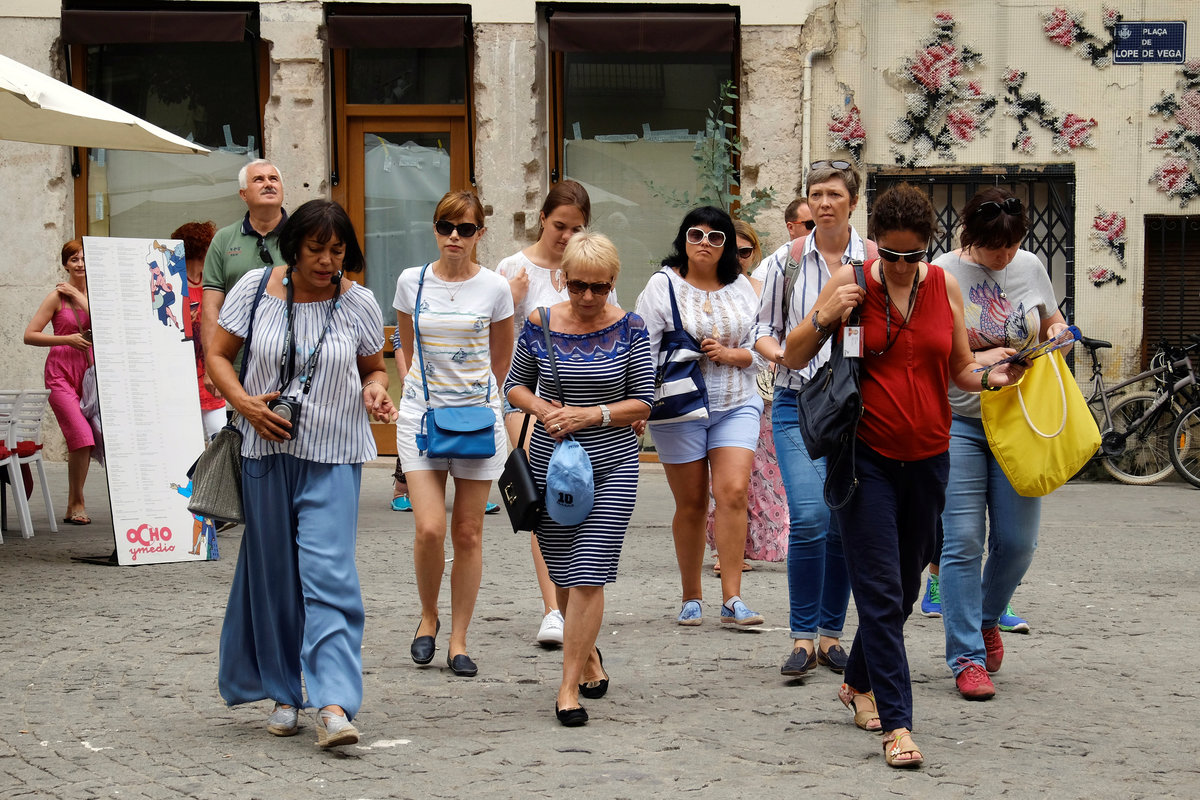
A group of sightseers walk with suitcases in the Old Town as the number of tourists in Spain reached new record levels, according to government sources, in Valencia, Spain September 1, 2017. REUTERS/Heino Kalis
The Balearics hosted 2.4 million tourists from overseas in July, according to data from the National Institute of Statistics, more than double the usual population of the islands outside the peak holiday season.
In August, the Balearics introduced new legislation to crack down on illegal tourist rentals, targeting online home-sharing sites such as Airbnb, amid complaints their popularity was driving up rental costs for residents.
The increased tourism taxes are expected to raise up to 120 million euros in revenues each year, which will be allocated to helping to protect the environment and helping the islands deal with the effects a visitor influx, the local government said on Thursday.
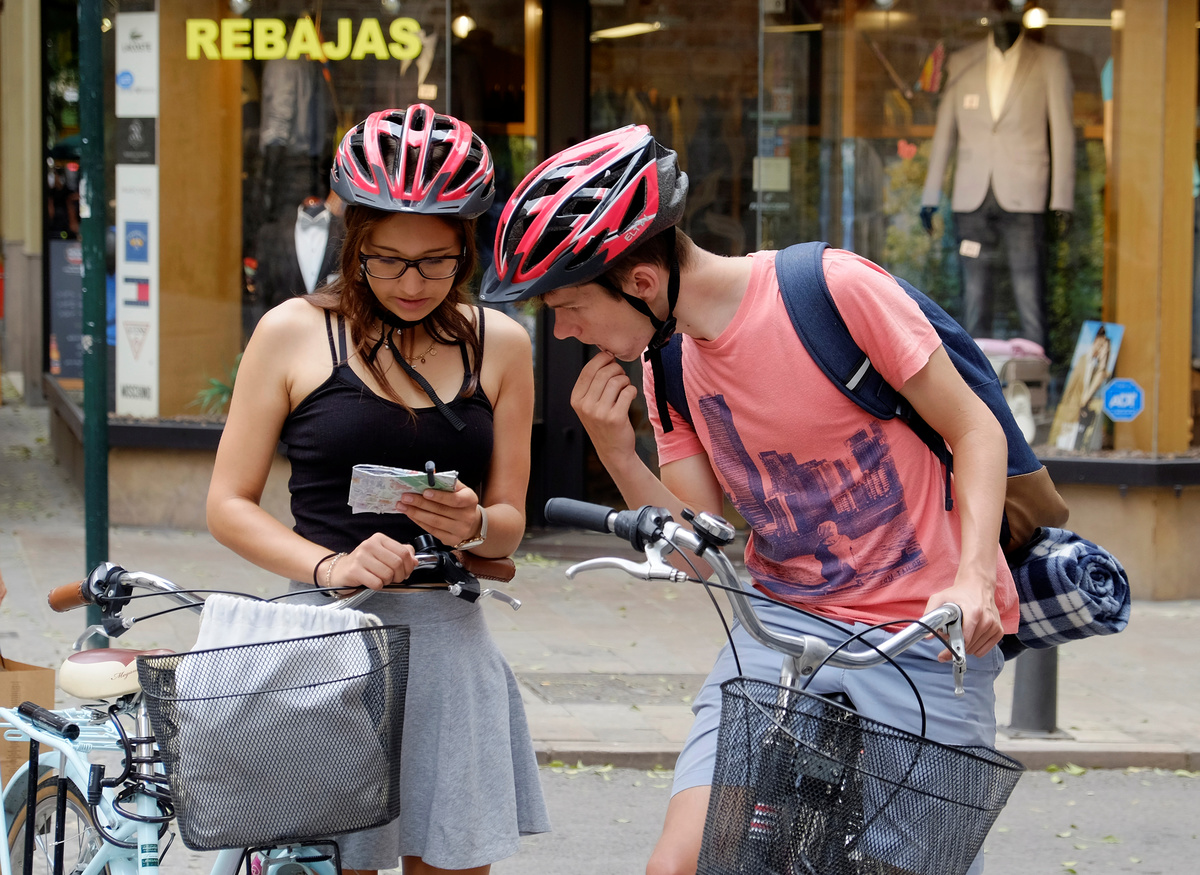
A couple consults a map in the Old Town as the number of tourists in Spain reached new record levels, according to government sources, in Valencia, Spain September 1, 2017. REUTERS/Heino Kalis
Tourist taxes will range from 1 euro per day on people camping or staying in hostels to 4 euros for those in high-end hotels and apartments. They are to be imposed on anyone staying overnight - even those from elsewhere in Spain - or arriving on a cruise ship.
"It will help us to enhance the balance between the impact of tourism on locals and the contribution made by the people who visit us," Biel Barcelo, the region's tourism chief, said in a statement. "It will be a tool to help us build solidarity between visitors and residents."
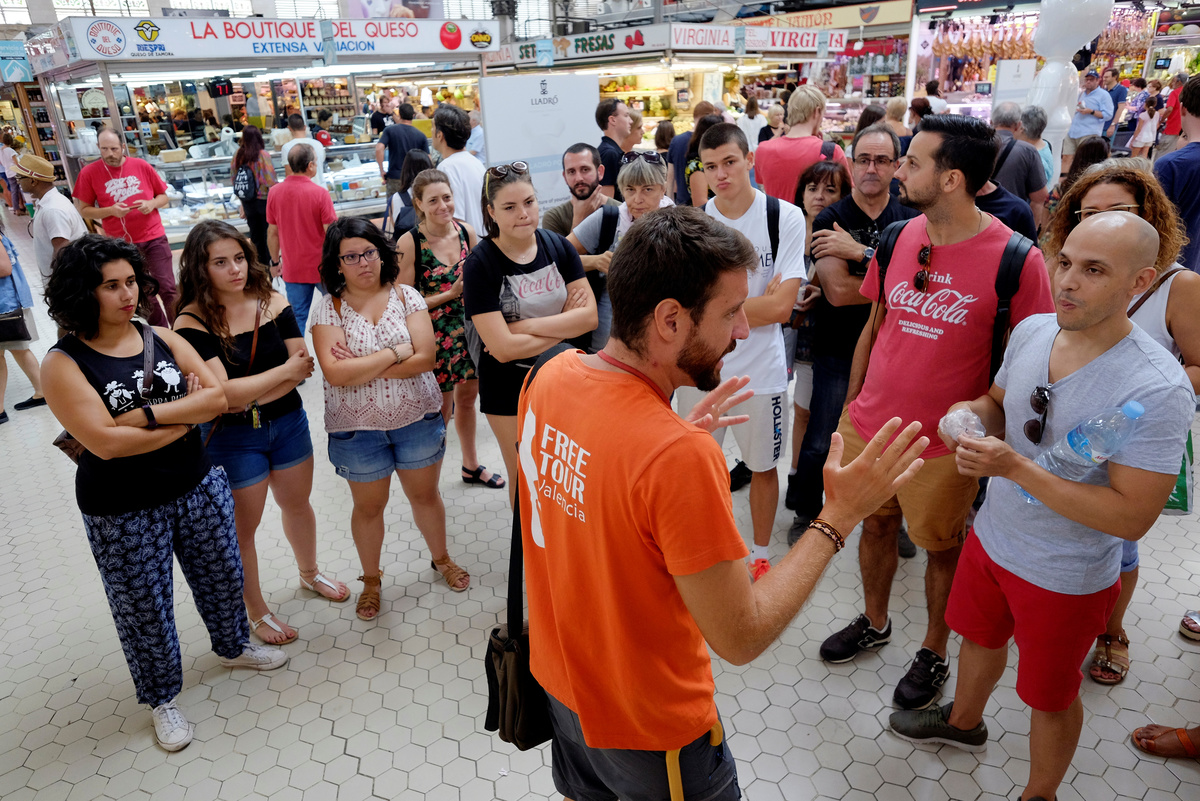
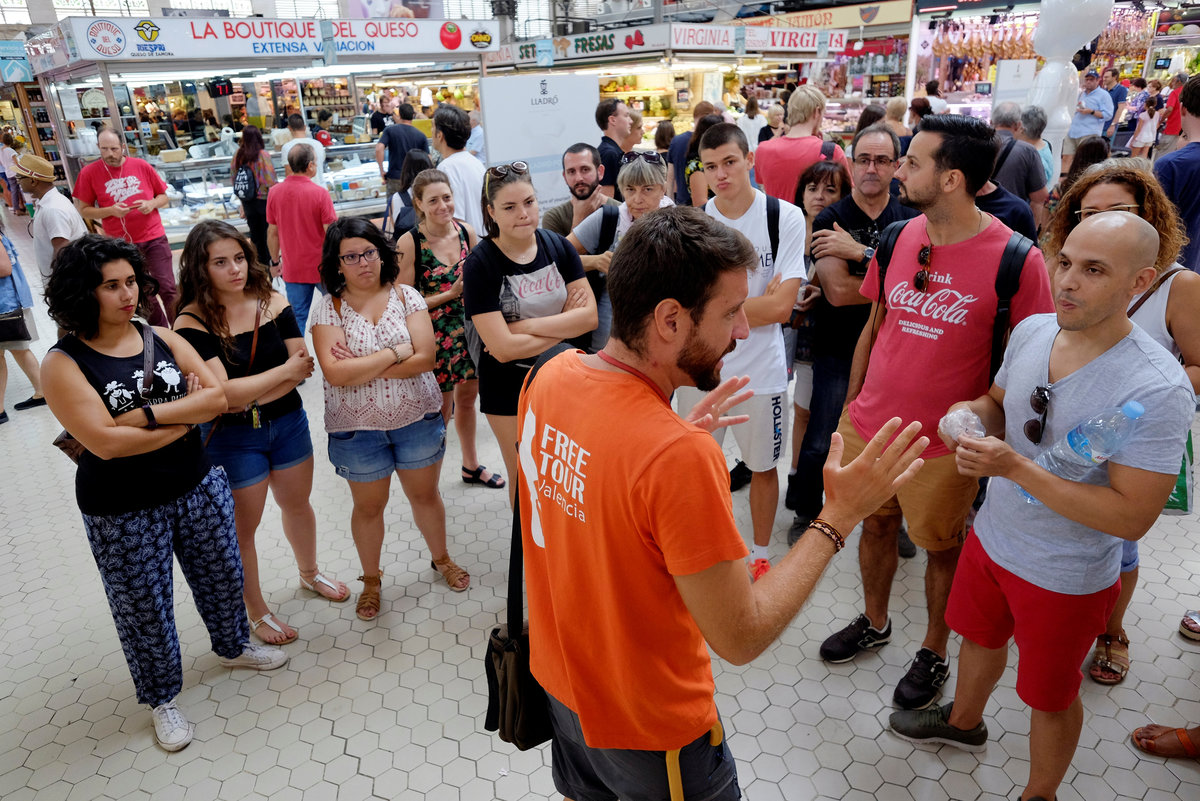
A tour guide talks to sightseers at the Central Market in the Old Town as the number of tourists in Spain reached new record levels, according to government sources, in Valencia, Spain September 1, 2017. REUTERS/Heino Kalis
(Reporting by Emily Lupton, editing by Sarah White)
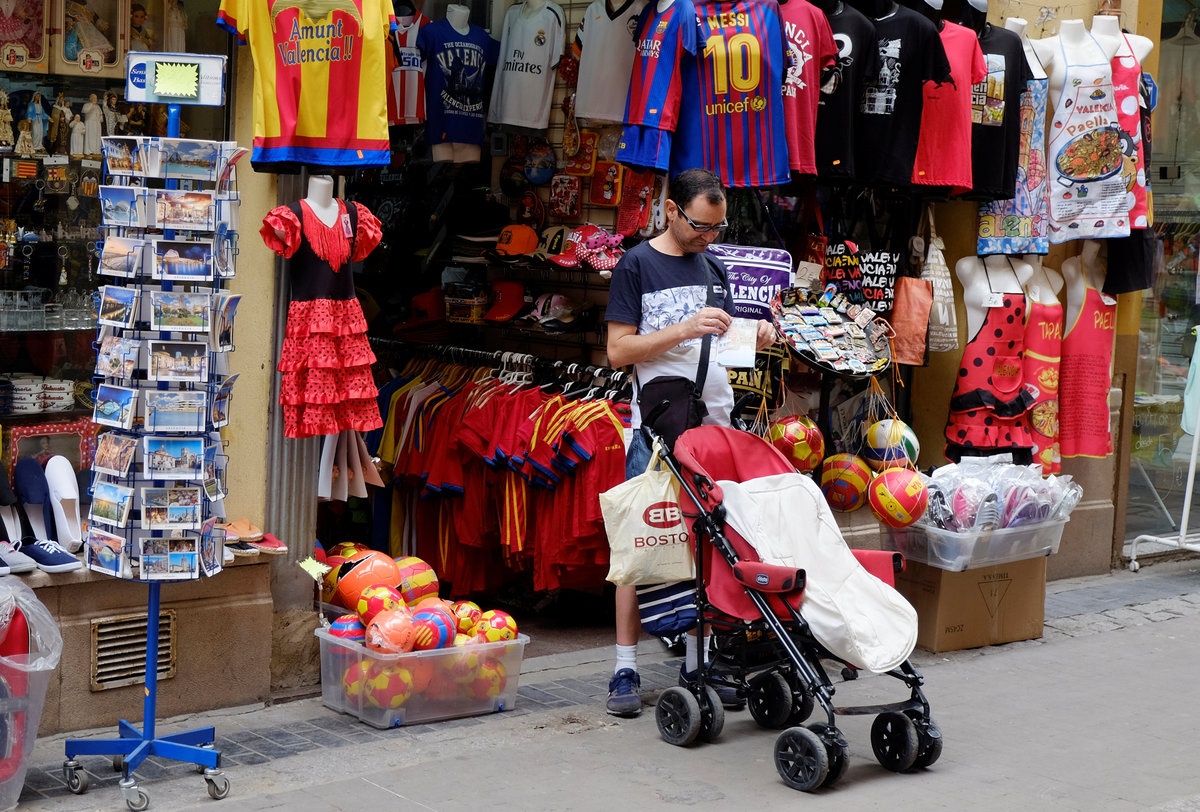
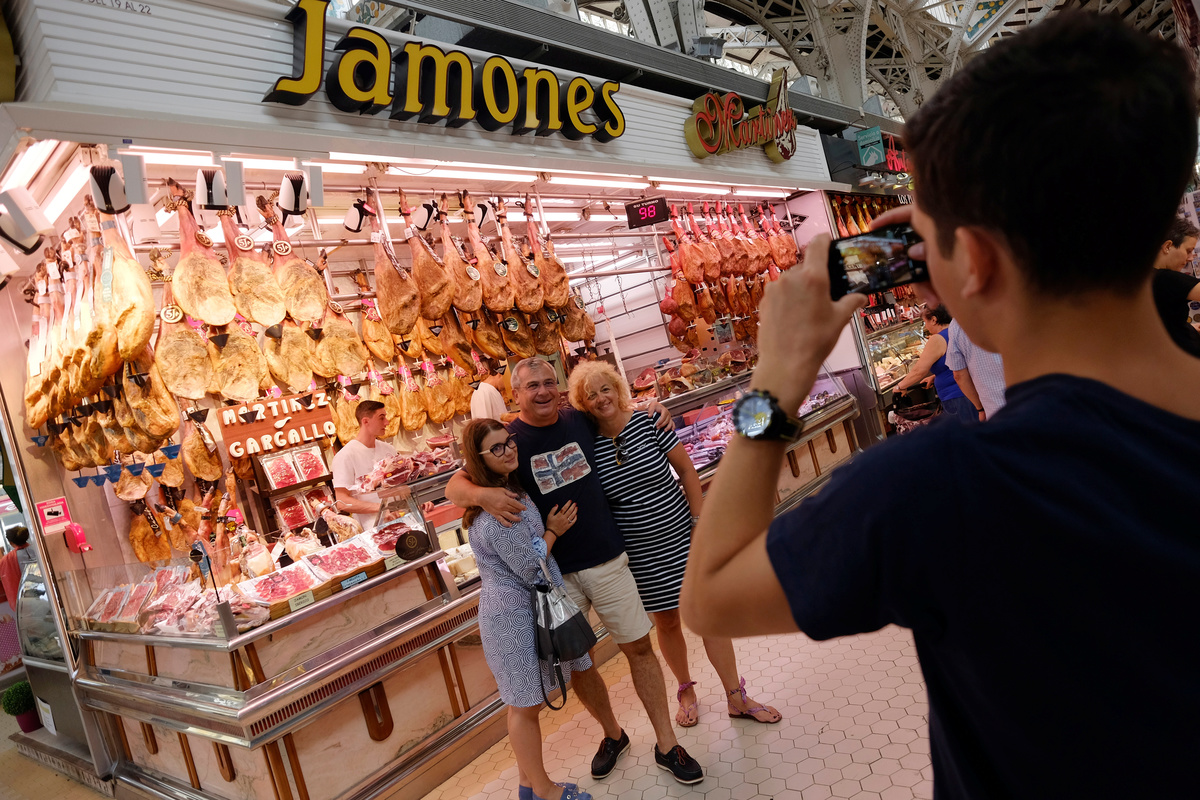
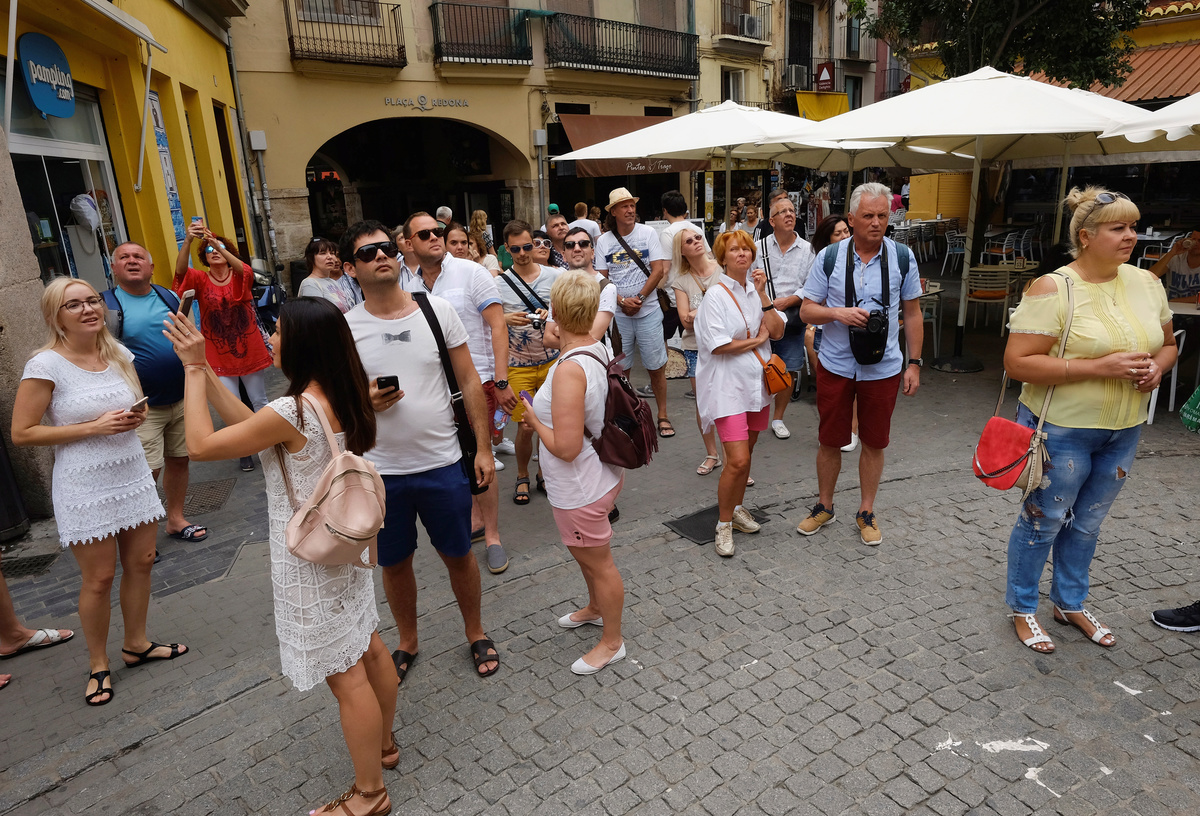
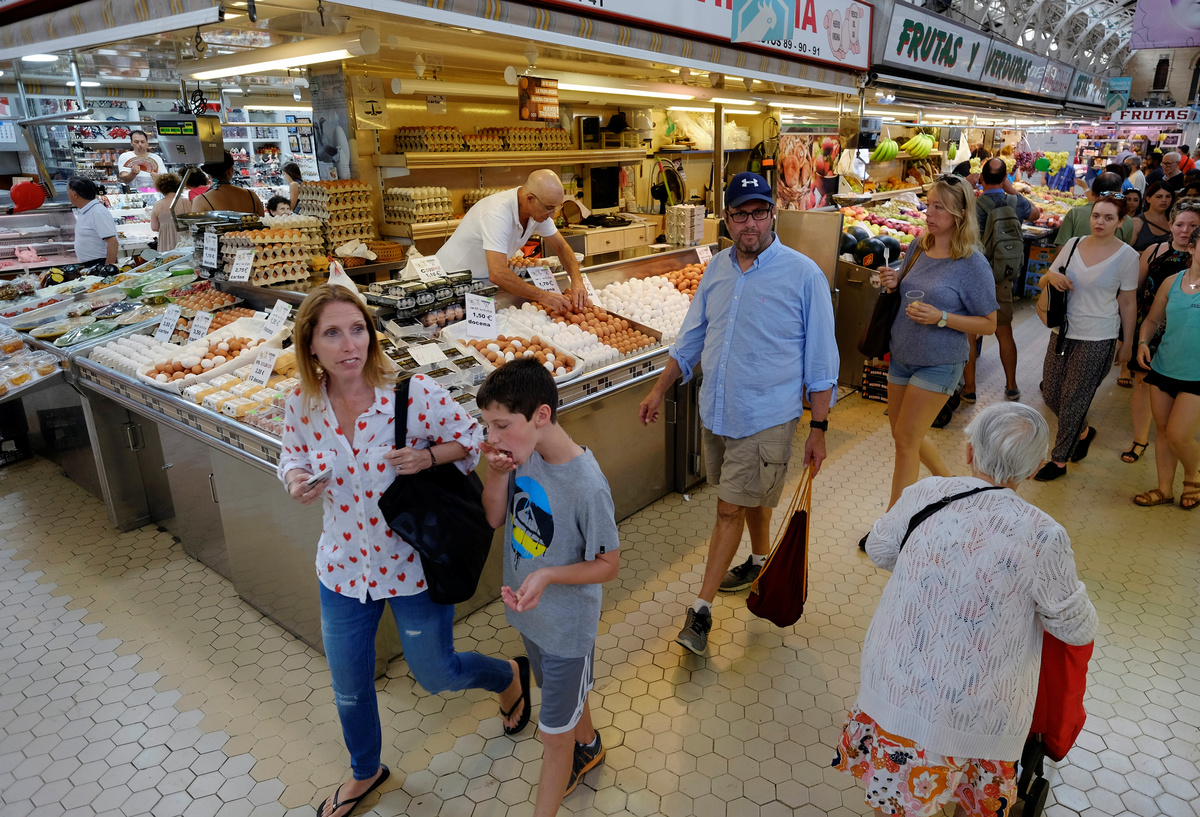
A tourist looks on next to a souvenir shop in the Old Town as the number of tourists in Spain reached new record levels, according to government sources, in Valencia, Spain September 1, 2017. REUTERS/Heino KalisA group of sightseers visits the Old Town as the number of tourists in Spain reached new record levels, according to government sources, in Valencia, Spain September 1, 2017. REUTERS/Heino KalisA tourist takes a picture next to a ham stall at the Central Market in the Old Town as the number of tourists in Spain reached new record levels, according to government sources, Valencia, Spain September 1, 2017. REUTERS/Heino KalisA tour guide talks to sightseers at the Central Market in the Old Town as the number of tourists in Spain reached new record levels, according to government sources, in Valencia, Spain September 1, 2017. REUTERS/Heino KalisA group of sightseers visits the Old Town as the number of tourists in Spain reached new record levels, according to government sources, in Valencia, Spain September 1, 2017. REUTERS/Heino KalisTourists walk at the Central Market in the Old Town as the number of tourists in Spain reached new record levels, according to government sources, in Valencia, Spain September 1, 2017. REUTERS/Heino Kalis
Sign up to read this article
Read news from 100’s of titles, curated specifically for you.