MADRID (Reuters) - Spain’s run towards the brink of qualifying for the Rugby World Cup for the first time in two decades has captivated the country and seen interest rocket in what used to be a minority sport.
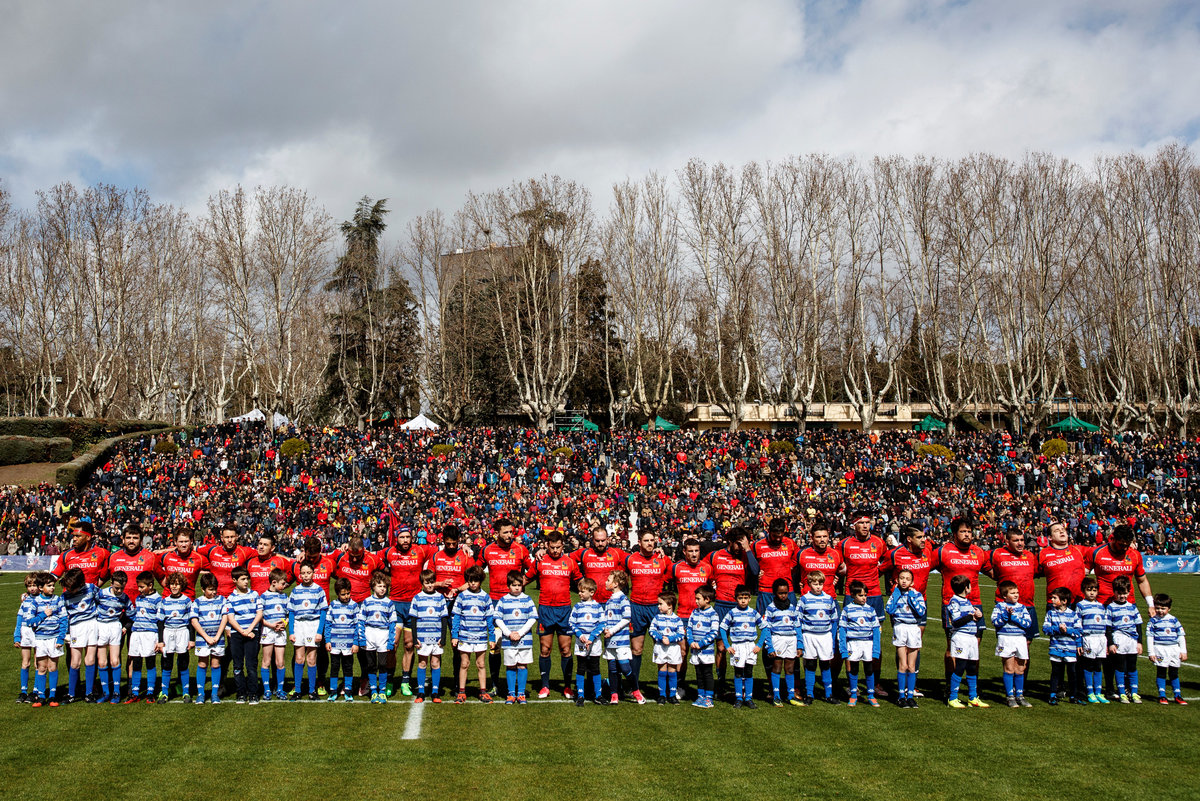
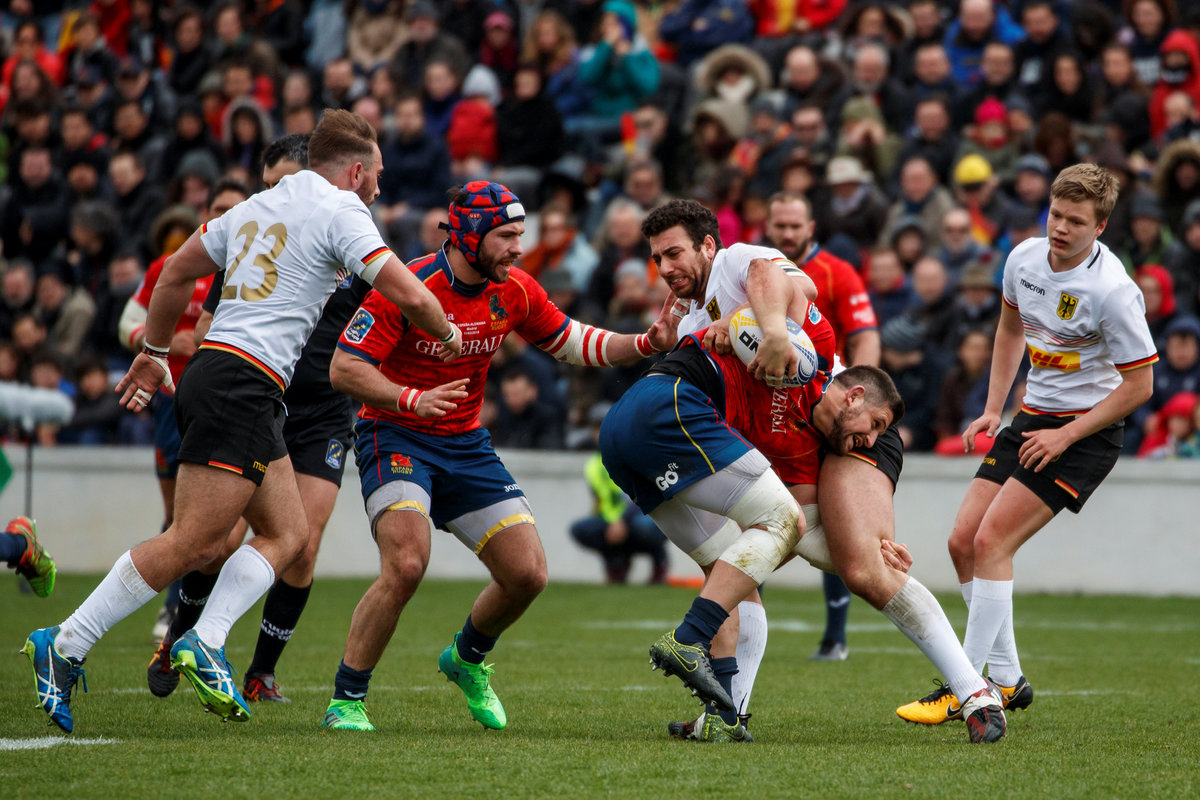
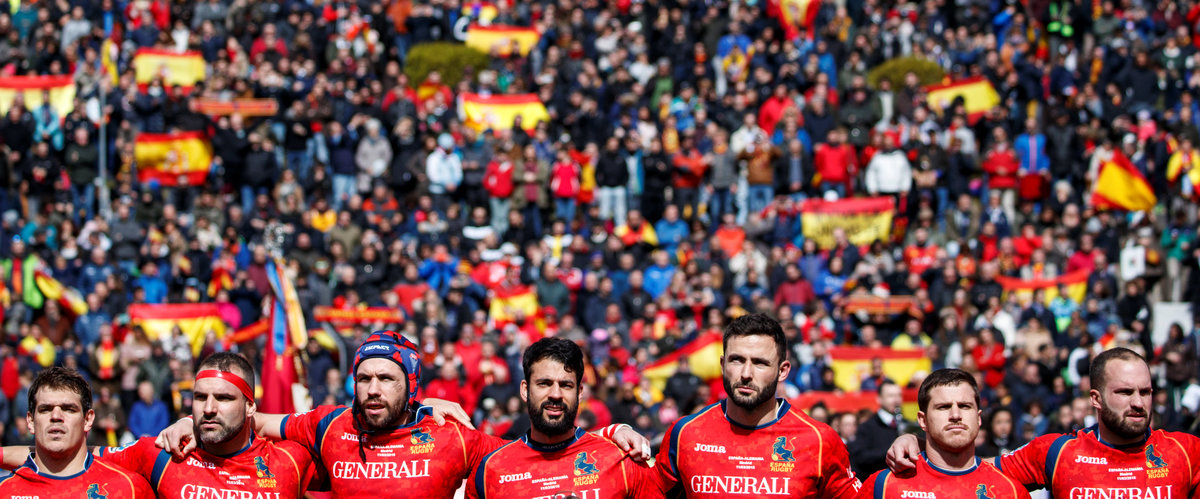
King Felipe VI was among 16,000 supporters who packed out the national rugby stadium in Madrid last Sunday to watch the team steamroller Germany 84-10 in their penultimate game of this year’s Europe Championship - the continent's premier competition outside of the Six Nations.
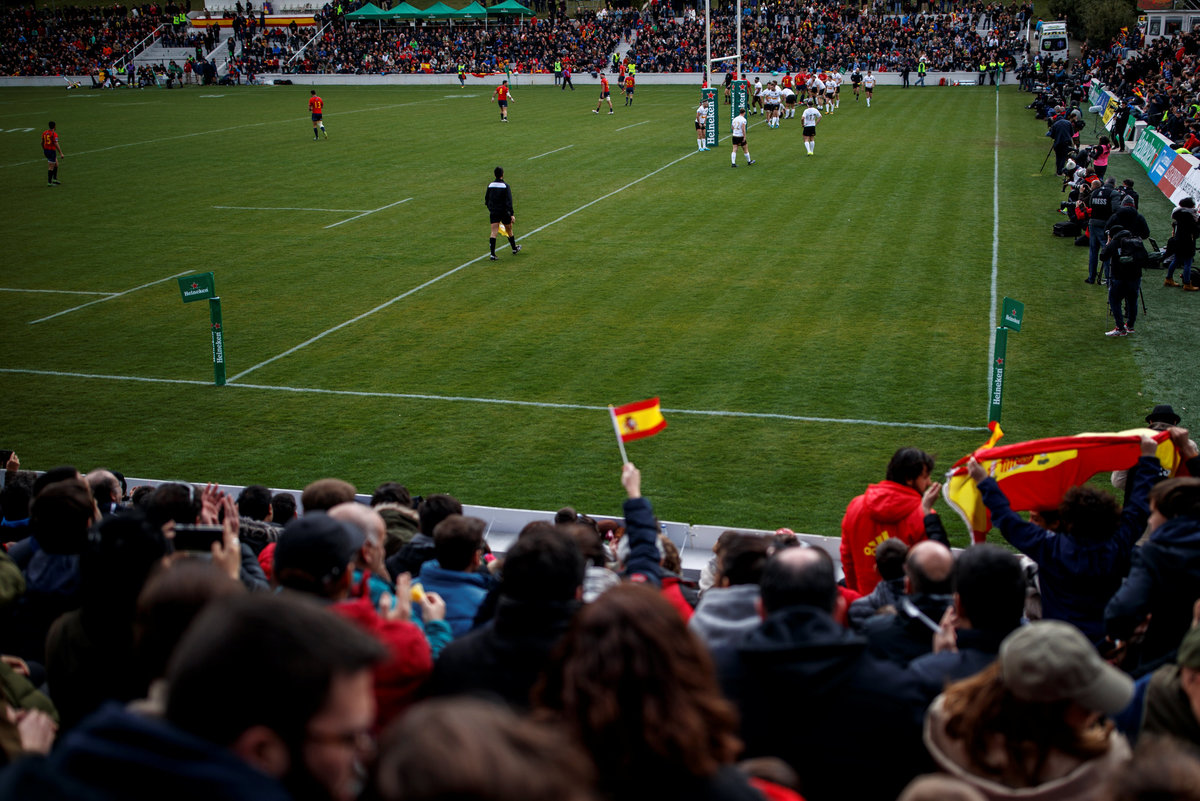
Victory next Sunday away to Belgium would see Spain reach the World Cup in Japan which starts in September, 2019.
National federation president Alfonso Feijoo was Spain’s coach the last time they were in a World Cup in 1999, where his side finished bottom of Pool A, losing their three games against South Africa, Scotland and Uruguay.
He believes qualification would catapult the sport’s popularity in a country where football, basketball and handball dominate.
“It would allow rugby to develop completely. The world will look upon us with different eyes, as a nation that can compete on the pitch and do things well off it,” Feijoo told Reuters.
“We missed a big opportunity in 1999, although it was a different time. The sport had only been professional for a few years. We had a good team, but only three of our players were playing in France, the rest were in Spain."
According to the federation, there are 210 rugby clubs in Spain and 35,000 registered players, 10 percent of whom are female, with participation increasing by 10-15 percent per year.
Spain has also become a big player in organising top level fixtures. Barcelona’s Nou Camp stadium hosted French rugby’s Top-14 final in 2016, registering the largest ever attendance in European rugby while Bilbao’s San Mames stadium will host the European Champions Cup and Challenge Cup finals in May.
"There's been a huge change in the past 20 years and I'm very proud of the steps Spanish rugby has taken, it's down to the work of everyone: the schools, the clubs, the media, everyone, the federation, the national teams," Feijoo added.
"Rugby has always had the potential to take off here but it never did. Now we must harness the excitement that qualification will bring and we need to build a team that is competitive and won’t be mismatched in the World Cup.”
MONUMENTAL WIN
Spain coach Santiago Santos and his squad have had to get used to an increased spotlight in the last few months due to the team’s success.
A turning-point came last month with a 22-10 win over Romania, who Spain had only beaten in two of their 35 meetings, which witnessed the biggest attendance at a national team rugby match.
Last Monday the rugby team were featured for the first time on the front cover of sports newspaper Marca, the biggest selling daily in the country.
“We’re getting recognised more in the street, we can feel that we’re making progress and Spanish society is noticing us more,” Santos said.
Although there is strong homegrown backbone to his side, many members of Santos’s squad were not born in Spain. The likes of scrumhalf Guillaume Rouet, who plays for Top-14 side Bayonne, and fullback Thibaut Alvarez were born in France and qualified for the national team through family ties.
Others, such as New Zealanders Brad Linklater and Dan Snee and British players Josh Peters, Matthew Foulds and Stephen Barnes qualified after gaining Spanish residency.
STRENGTH AND PRIDE
“Having these players is a sign of strength and a source of pride. If you want have a strong team you need players playing in competitive leagues," Santos said.
Feijoo said the players were not doing it for the money.
“Some of them earn up to 15,000 euros ($18,000) per month with their clubs and they come here for 75 euros per day, so they’re not playing for financial reasons. They come for the love of the shirt and they’re making their parents and grandparents proud,” he said.
Hooker Barnes played semi-professional rugby in England before moving to Spain’s rugby heartland of Valladolid in 2011 to join VRAC.
“I thought Spain was just summer holidays and good food, I didn’t know much about rugby there,” Barnes said.
As well as helping VRAC win five of the last six national championships, he works in outreach programmes to promote rugby in schools.
“Rugby in Spain is growing and you can really feel the potential. Rugby is on terrestrial television every week, there’s a real interest,” Barnes said.
“Qualifying for the World Cup would be massive. After the Romania game the fans were on the pitch, the players were ecstatic, the coaches were crying. The emotion was everywhere.
“In my experience, once people see rugby and understand it they start to fall in love with it. We’re talking about Japan 2019 but there’s another World Cup after that. This is just the start.”
(Reporting by Richard Martin, editing by Ed Osmond)