South-east Asia's hoofed animals under threat - in pictures
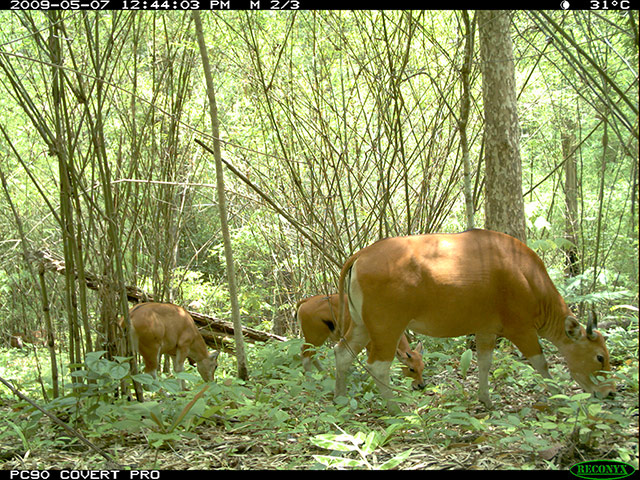
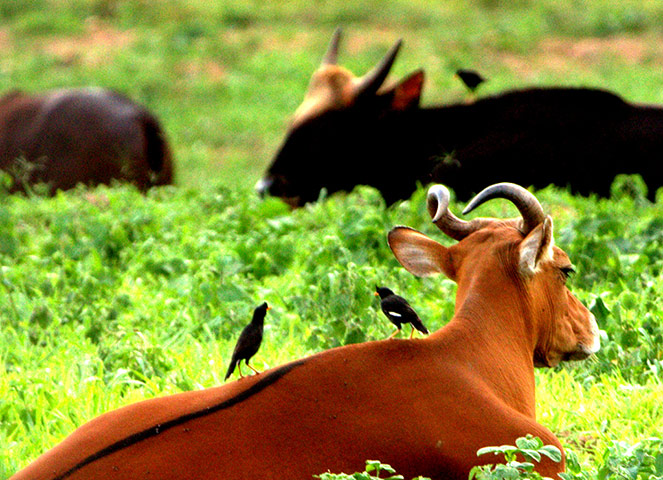
Wild water buffalo (Bubalus arnee), an Asian icon. Tethered to available water sources, there are less than 4,000 buffalo living in the wild. The Greater Mekong region spans Cambodia, Laos, Burma, Thailand, Vietnam and the southern province of Yunnan in ChinaPhotograph: Heather L. Bradley/WWF-CambodiaBanteng (Bos javanicus) feeding in the Mondulkiri protected forest, Cambodia. The banteng are critically endangered and have declined by 80% in the last 24 yearsPhotograph: WWF-CambodiaBanteng (foreground) and gaur (background) face a multitude of threats Photograph: Wayuphong Jitvijak/WWF-Thailand
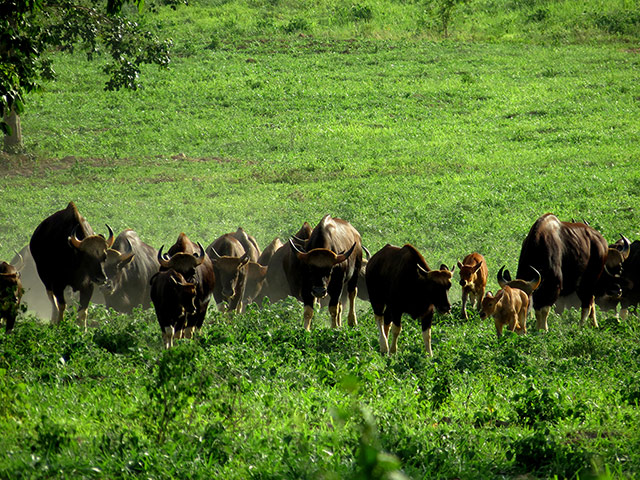
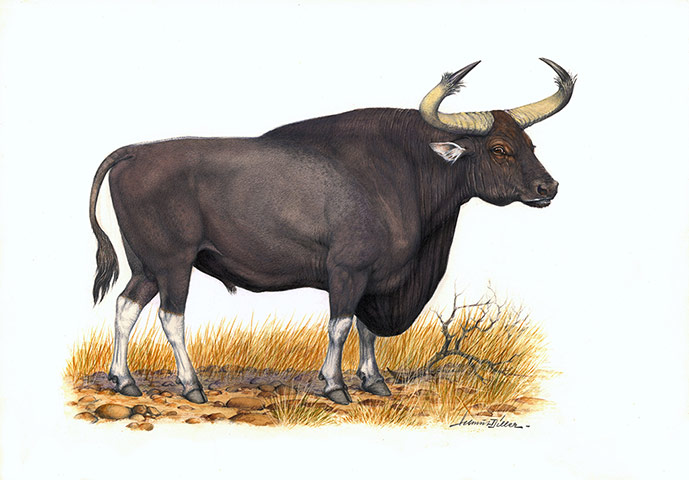
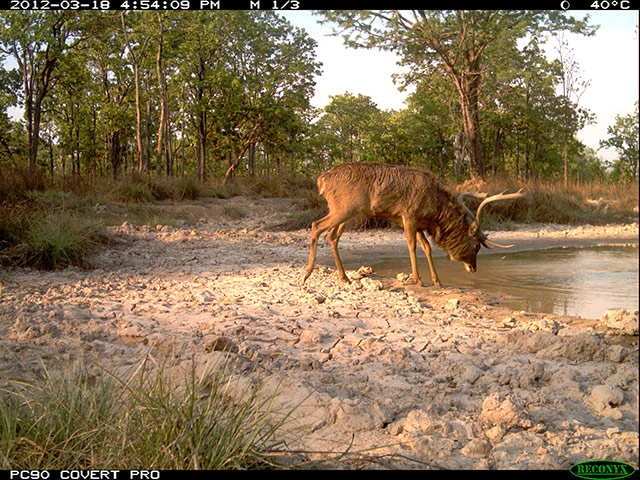
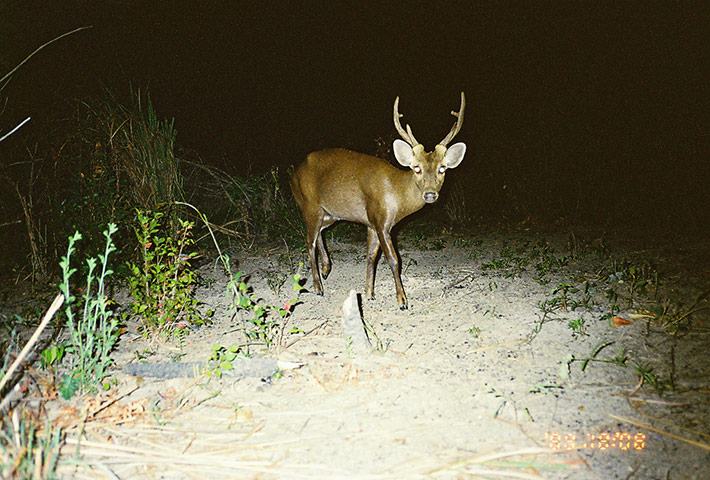
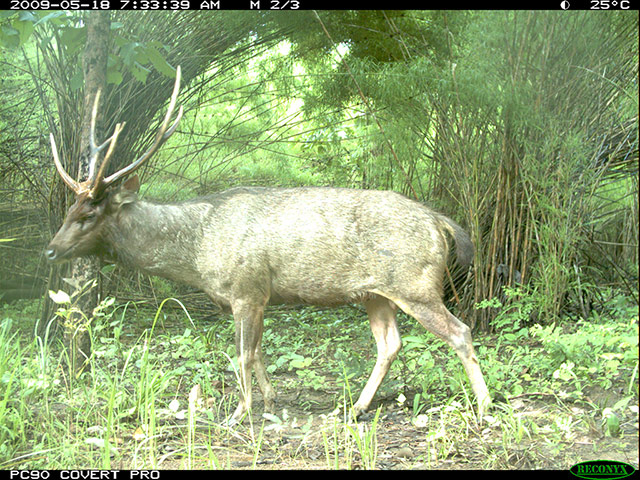
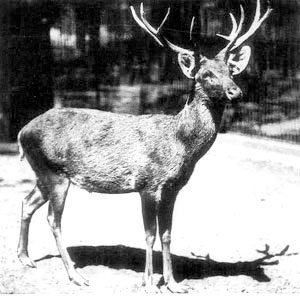
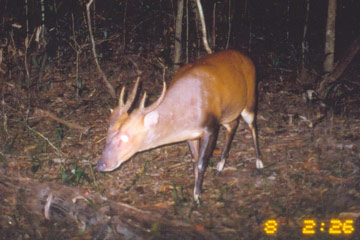
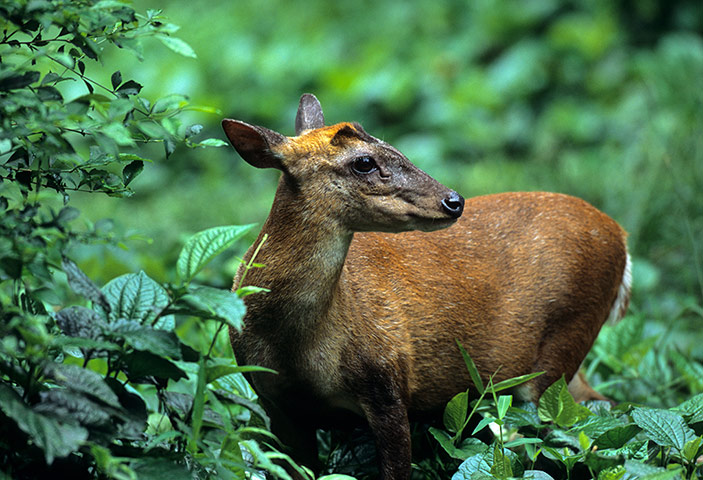
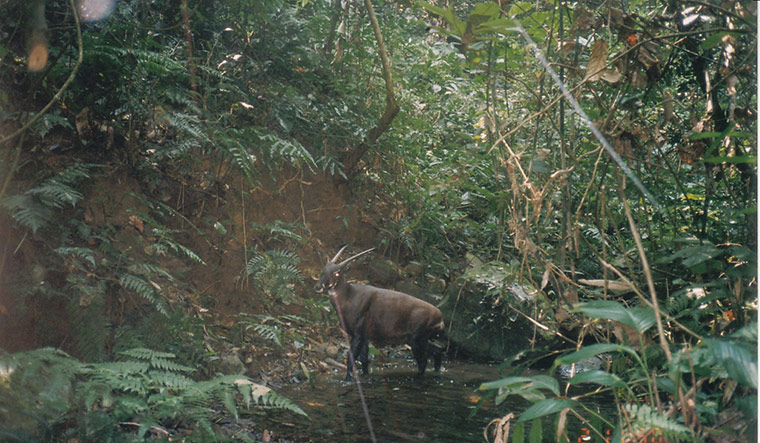
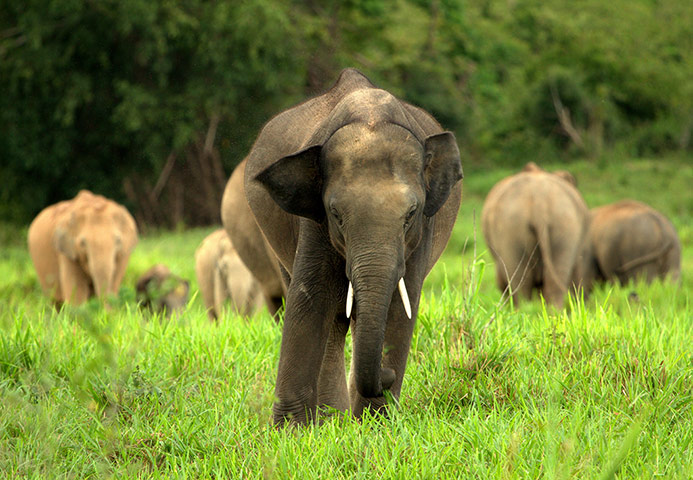
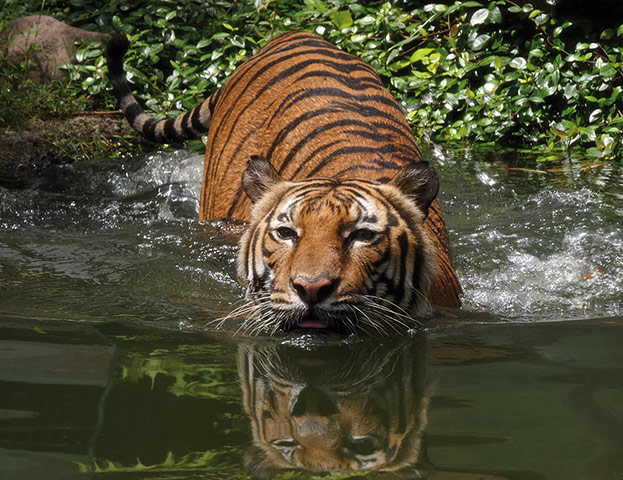
A herd of gaur (Bos gaurus) running in the Kuiburi national park, Thailand. Gaur are especially threatened by the illegal horn tradePhotograph: Wayuphong Jitvijak/WWF-ThailandDrawing of a now extinct Kouprey (Bos sauveli). The last confirmed sighting of a kouprey was in 1983Photograph: Helmut Diller/WWF-InternationalEld’s deer (Rucervus eldii) photographed in the Mondulkiri protected forest, Cambodia. The deer is described as a hunter's favouritePhotograph: WWF-Cambodia/WWF-CambodiaHog deer (Hyelaphus porcinus), an ungulate that thinks it's a pig. The deer is named after its odd way of runningPhotograph: WWF-CambodiaSambar (Rusa unicolor), captured on a camera trap. The sambar is a favourite meal of Asiatic lions and tigersPhotograph: WWF-CambodiaA photograph of the now extinct Schomburgk’s deer (Rucervus schomburgki). Endemic to Mekong, the deer was the first of its kind to become extinct within the regionPhotograph: Lothar Schlawe/WWFLarge-antlered muntjac (Muntiacus vuquangensis). The largest of the muntjac species, it tends to be caught in snares that are set for wild pigsPhotograph: Nam Theun 2 Watershed Management and Protection Authority (WMPA)/WWFFemale muntjac (Muntiacus muntjac), found in south and south-east AsiaPhotograph: Terry Whittaker/AlamyWild saola (Pseudoryx nghetinhensis) camera-trapped in Bolikhamxay province, central Laos in 1999. Known as the 'Asian unicorn', this mysterious creature has almost achieved mythical statusPhotograph: William Robichaud./WWFEndangered Asian elephant (Elephas maximus) grazing in restored grasslands in Kuiburi national park, Prachuap Khiri Khan province, ThailandPhotograph: WWF-ThailandCritically endangered red-headed vulture (Sarcogyps calvus). Ungulates are one of the vultures main food sourcesPhotograph: JP Delpal/WWFIndochinese tiger (Panthera tigris corbetti). Fewer amounts of ungulates are hindering tiger conservation efforts, with only 350 tigers left in the Greater Mekong regionPhotograph: Howard Cheek/WWF-Greater Mekong
Sign up to read this article
Read news from 100’s of titles, curated specifically for you.