
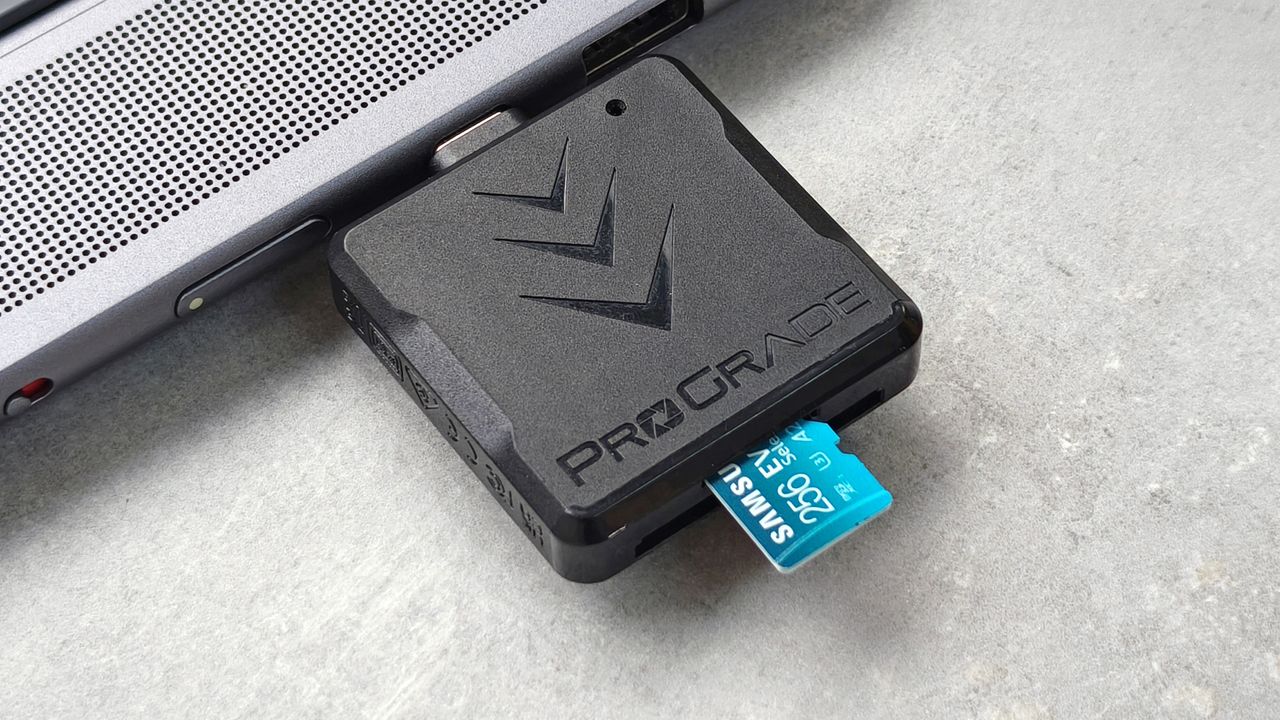
Samsung Electronics – the largest memory chipmaker in the world – is warning that the memory shortage driven by storage-hungry AI will likely continue to worsen into 2027.
The insight comes from Samsung’s quarterly financial results, which have the chipmaker posting an all-time high for quarterly revenue of KRW 133.9 trillion. That’s about $90 billion / £67 billion / AU$126 billion / CA$124 billion at current exchange rates.
Samsung says that customers have already begun placing orders for 2027 amid concerns over chip shortages. “Based on the orders received so far, the supply gap relative to 2027 demand is expected to widen even further compared to 2026,” the head of Samsung’s memory business Kim Jae-june said during the earnings call.
The company’s memory division was responsible for 93.7 percent of the first quarter's operating profit. But even within the same company, the report shows the effect the limited supply has on other electronics. For example, Samsung’s mobile division profit dropped as the segment warned of the increased cost of memory required to build those smartphones.
The report comes as photographers, videographers, and content creators are already seeing the effects of the increased demand for storage sparked by the rise of AI. Memory card prices have already tripled in some instances, for example.
Some memory card makers, including ProGrade, have indicated that memory card prices will be increasing.
Lexar has indicated the change could be long-term. “We have to accept that this situation could be long-term because the industry has shifted to a new era,” a Lexar representative told Digital Camera World earlier this year.
The effect plays a role in more than just memory cards and hard drives, however. Memory is essential to building the processors in the cameras themselves. Canon, for example, says that it has already secured most of the memory that it needs for 2026, but still expects a cost increase of about $50.3 billion yen – that’s about $318 million / £235 million / AU$445.5 million / CA$435.6 million at current exchange rates.
For photographers, the price increase is a double whammy – not only are creators paying more for memory, but the cause is the artificial intelligence that generates images trained, in many cases, on unpaid images scraped from the internet.
While companies like Samsung are predicting that AI-related storage pressure will only get worse in the next year, that’s only a prediction based on current conditions and the orders that have already started trickling in for 2027. The insight, however, may encourage creators to treat memory cards like expensive cameras and house them in protective cases – and not wait if a memory need is on the horizon.
You may also like
Browse the best memory cards or the best external hard drives for photographers.