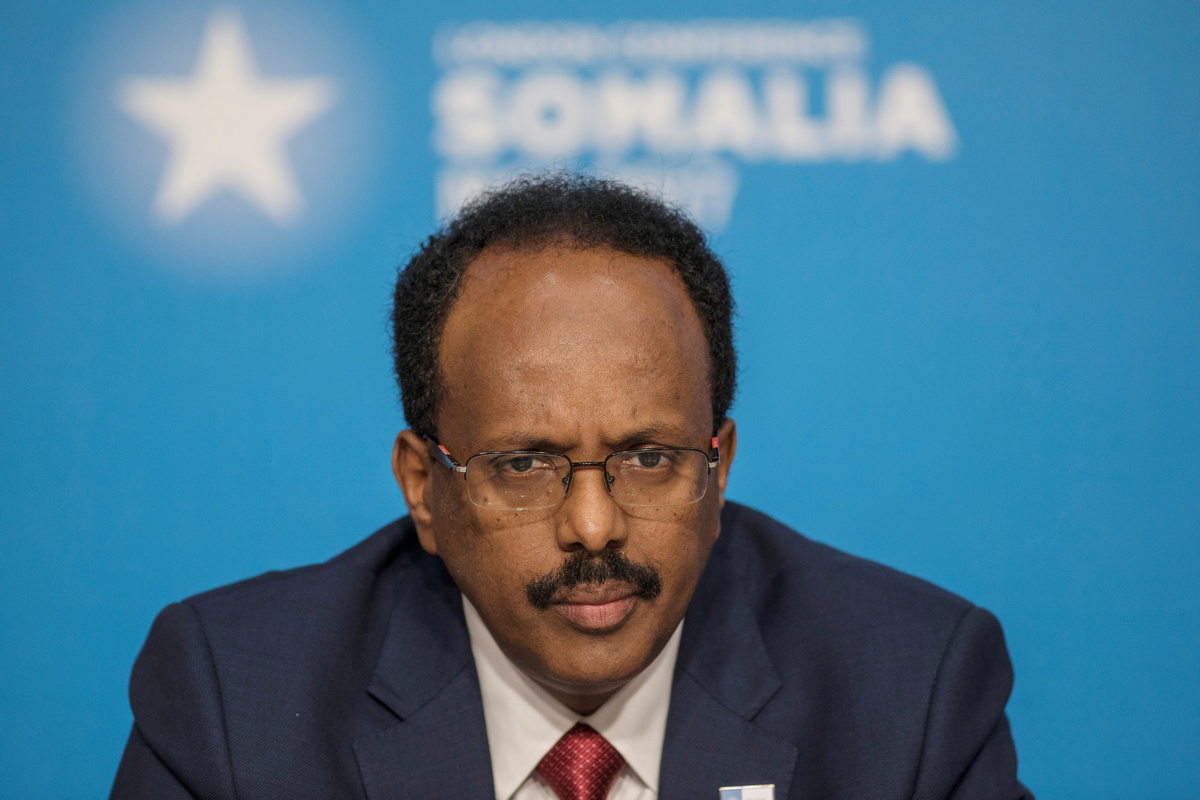
Somalia's political leaders have reached an agreement that will pave way for elections, its foreign affairs minister said on Tuesday, ending months of deadlock that at times turned violent.
President Mohamed Abdullahi Mohamed's term expired in February, but wrangling over elections meant a new group of lawmakers was not selected in December to choose a new president.
To resolve the deadlock, Prime Minister Mohamed Hussein Roble met with the presidents of five regions to address their concerns over the election's conduct.
"We have now reached an agreement that will lead Somalia to free and fair elections. Going forward Somalia needs to have a predictable transition based on elections that is inclusive, credible, free and fair," Abdirizak Mohamed said during a U.N. meeting on Somalia.
"This is a challenge and opportunity which the Somali people, government and partners must capitalise to ensure sustainable development and country."
Foreign Minister Mohamed said among the sticking points resolved was the formation of an election committee, whose absence had prevented the election of new legislators in December.
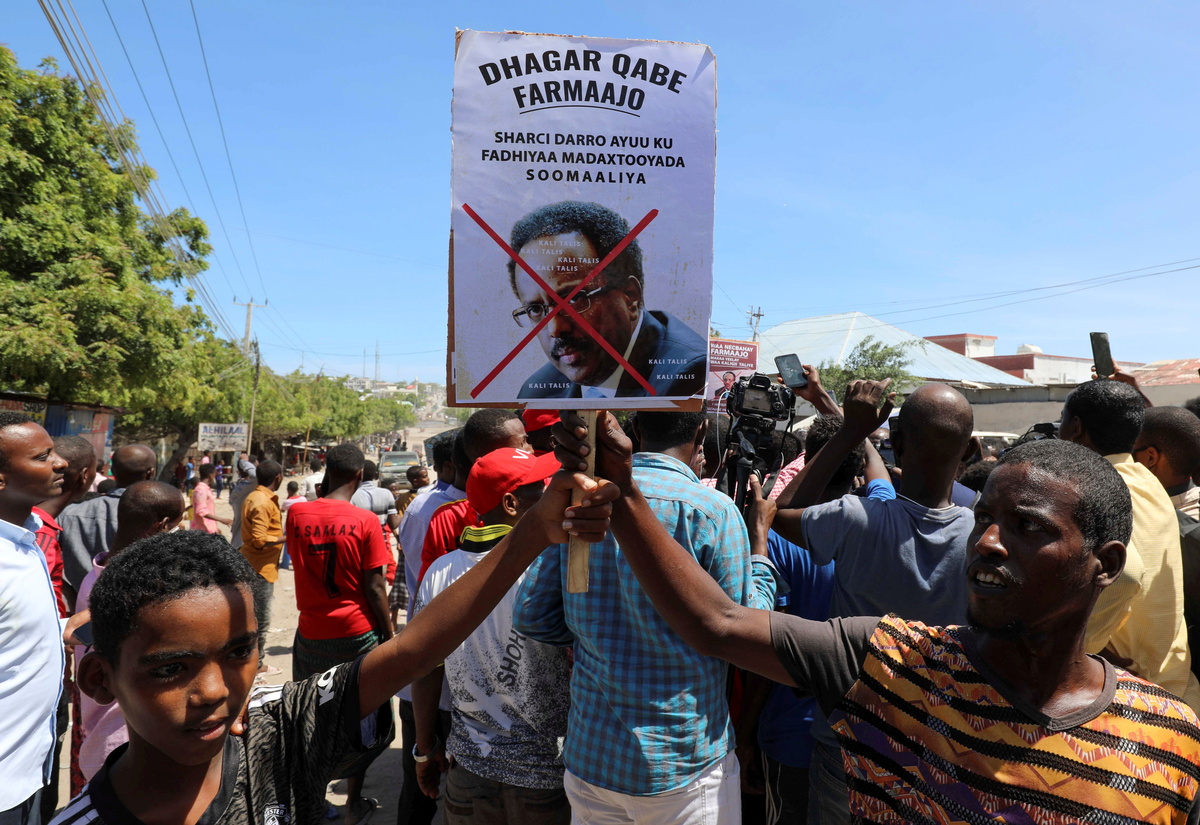
In April, the lower house of parliament voted to extend the president's four-year term by another two years. The Senate rejected the move, provoking a political crisis.
The political crisis had raised fears that al Qaeda-linked al Shabaab insurgents could exploit a security vacuum if state forces split along clan lines and turn on each other.
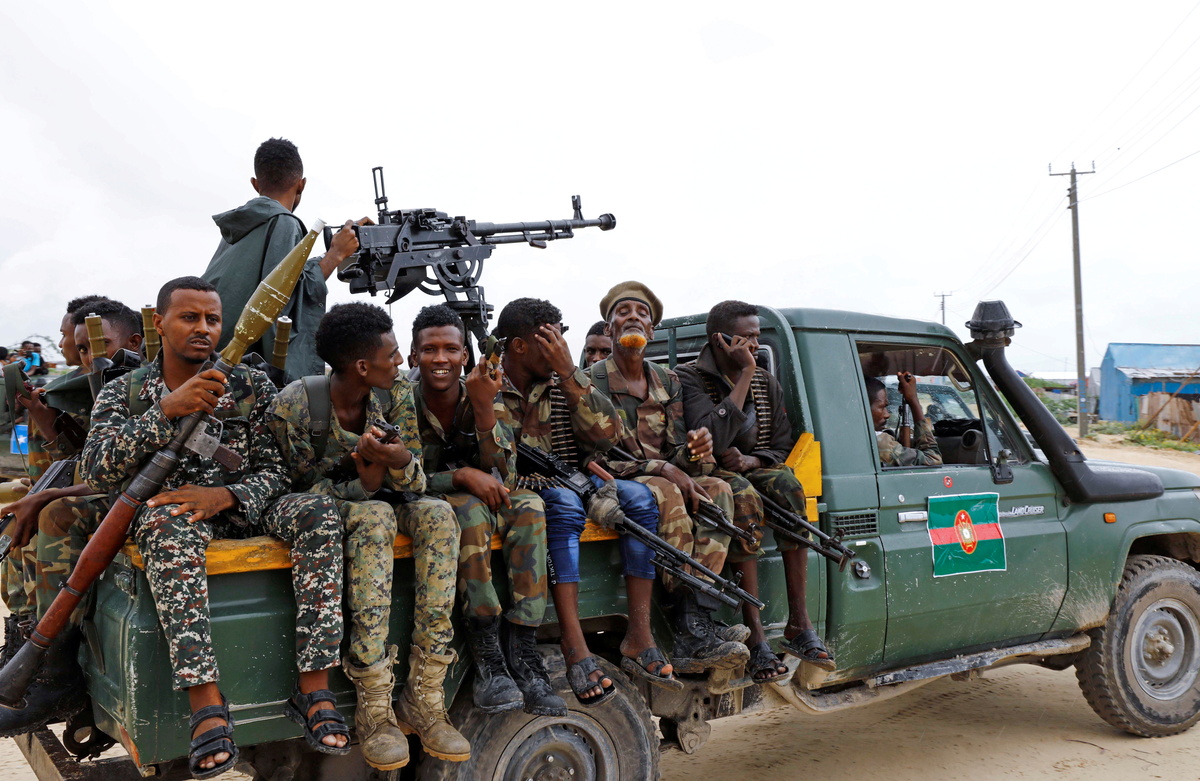
In late April, troops opposed to President Mohamed's extension of term in office briefly seized key points in the capital, raising fears of a complete disintegration of the national army along clan lines.
The soldiers have since returned to their barracks.
The foreign minister said a more comprehensive statement was due to be given on Thursday.
(Writing by George Obulutsa; Editing by Marguerita Choy)