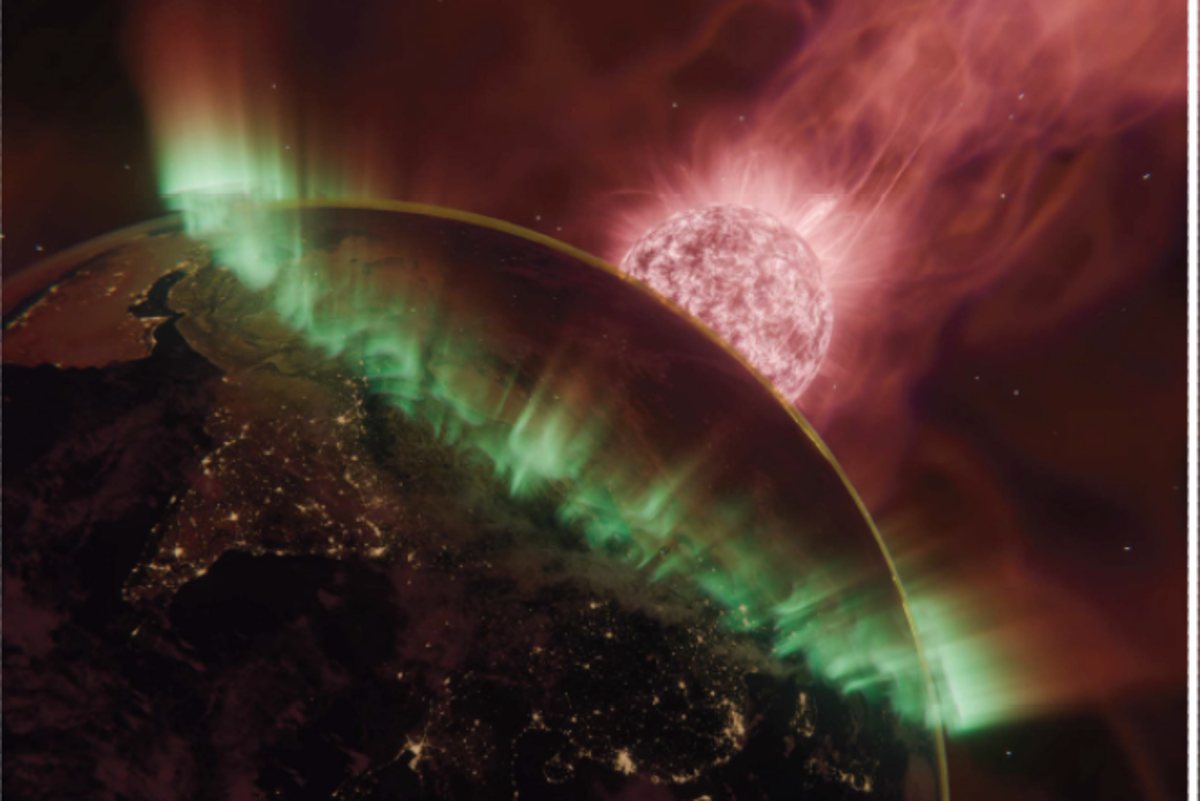
The effects of solar storms and extreme space weather could be even more dangerous than we thought, scientists have warned.
Space weather is caused by changes in the Earth’s magnetic fields and its upper atmosphere, and researchers have long warned that their effects could be deadly. Extreme storms could disrupt satellite communications and lead to power outages, experts have said.
But the effects of those storms could be even worse than we thought, researchers have warned. For decades, researchers have thought that there was an upper limit in how Earth responds to solar storms – but new research suggests that it is an illusion.
The error came about because of a mistake in how we understand the strength of solar winds, a new paper argues. That means that the Earth does not have the protection we thought and extreme space weather could have far more dramatic effects on our technology than we predicted.
“Our planet’s magnetic field does a really great job of protecting us against many space weather effects and so they often just show up as glitches or beautiful aurora,” said Maria Walach from Lancaster University, who led the work. “There are however extreme cases, where satellites unexpectedly fall back to Earth, or we lose communication and GPS signals.”
The problem arose because our measurement of the solar wind – hot gases that flow towards us from the Sun – are taken from a point a million miles closer than the Sun to Earth. But the new work used data taken from a Nasa spacecraft that orbits Earth, and shows the effects closer to our planet.
“If there is no upper limit to our planet’s response to the solar wind, modelling for extreme cases needs to take this into account and we should be vigilant of space weather effects,” said Dr Walach. “Fortunately, these very extreme cases are rare, but this also means we have limited data to work with and only time will tell what happens at the very extreme one-in-a-thousand-year kind of event.”