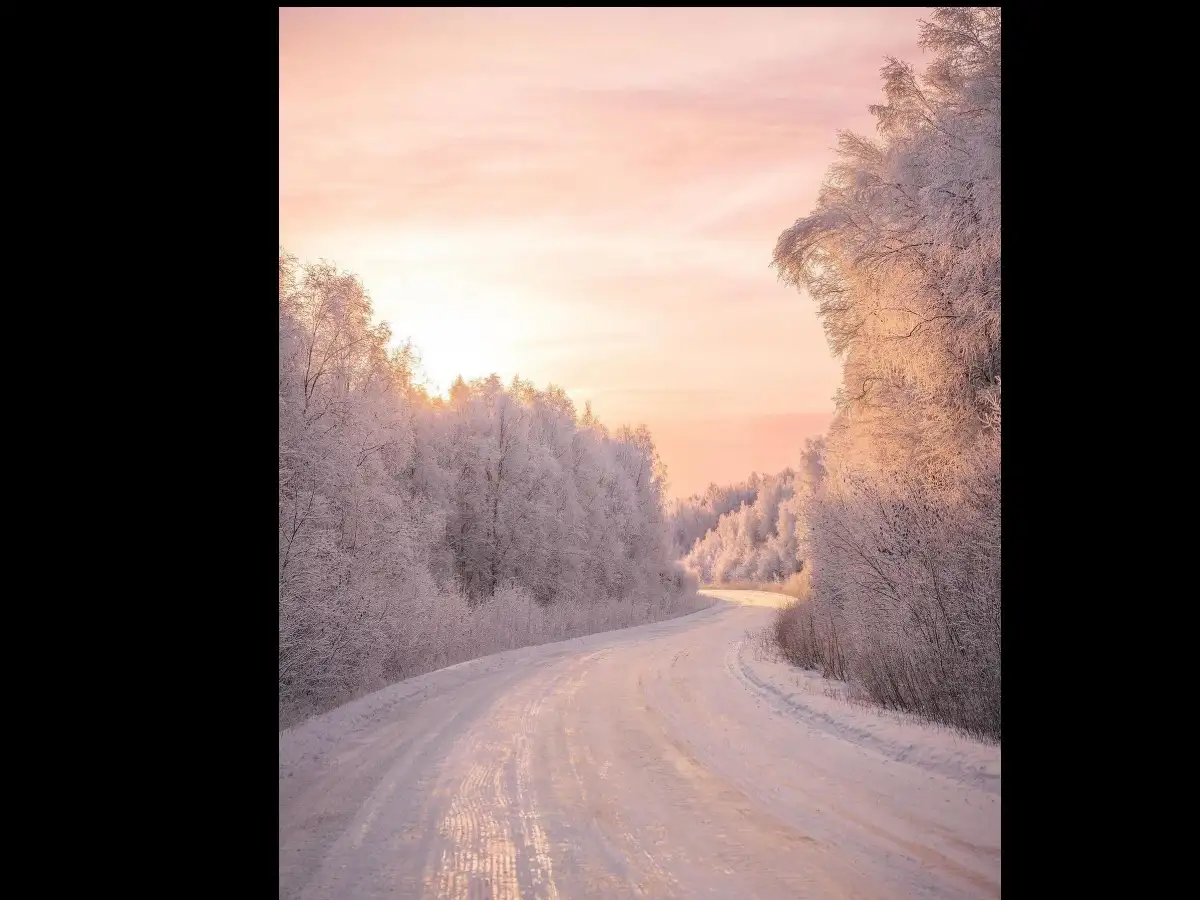
A snow storm warning in the middle of summer sounds unbelievable, but that's exactly what unfolded in northern Alaska, where a powerful burst of Arctic weather transformed a normally accessible highway into a dangerous stretch of ice, snow and freezing winds.
While much of the United States is dealing with summer heat, Alaska's Atigun Pass and parts of the Dalton Highway experienced conditions that looked more like January than late July. Forecasters warned of accumulating snow, icy roads and bitter wind chills, creating hazardous travel conditions in one of the state's most remote regions.
Snow storm warning brings rare July snowfall
The National Weather Service issued a Winter Weather Advisory for the Central Brooks Range, covering Atigun Pass, Anaktuvuk Pass, Galbraith Lake and the Dalton Highway between mile posts 232 and 322.
Forecasters expected 2 to 6 inches of snow, with the heaviest accumulation at higher elevations. Along with the snowfall came a light glaze of ice and periods of freezing drizzle, making travel especially risky. Although the advisory has now expired, weather officials say the danger has not completely disappeared.
Why the biggest threat isn't the falling snow
According to weather officials, the greatest concern after the storm is the overnight refreeze.
As temperatures plunge after sunset, melted snow quickly freezes again, creating nearly invisible sheets of ice across steep mountain roads. At Atigun Pass, which rises to 4,739 feet, the northbound descent features grades of up to 12 percent, leaving little room for driver error. There is also no alternate route across the Brooks Range, meaning travelers either cross the pass or delay their journey.
Temperatures felt more like winter than summer
The unusual weather did not stop with snowfall.
Updated observations showed temperatures dropping to around 26 degrees Fahrenheit near Atigun Pass, while north winds gusting up to 34 mph drove the wind chill down to just 11 degrees. Nearby Anaktuvuk Pass was forecast to fall to 29 degrees overnight after daytime highs of only around 40 degrees, perfect conditions for dangerous refreezing.
Summer travelers may be the least prepared
Six inches of snow may not sound extraordinary during winter, but in late July it creates a very different challenge.
Many drivers traveling the Dalton Highway during summer are equipped with summer tires, carrying little or no winter emergency gear. Without tire chains, cold-weather clothing, shovels or emergency supplies, motorists can quickly find themselves in trouble if road conditions deteriorate unexpectedly. Officials say that combination makes even moderate snowfall far more hazardous than similar accumulations during winter.
Officials urge extra caution
Weather experts recommend slowing down well before steep grades, increasing following distance and braking gently in a straight line whenever possible.
Drivers are also encouraged to check Alaska's road conditions before attempting to cross the mountain pass, as weather in the Brooks Range can change rapidly even during the peak of summer. Snow showers may continue to develop despite the advisory ending, keeping roads slippery through changing temperatures.
A reminder that Alaska can deliver winter anytime
The recent snow storm warning serves as a reminder that Alaska's high elevations operate by different rules than much of the country. Even in late July, Arctic air can produce snowfall, freezing drizzle, icy pavement and dangerous wind chills.
For anyone traveling through the Brooks Range, the calendar may say summer, but the weather can still behave like the heart of winter.