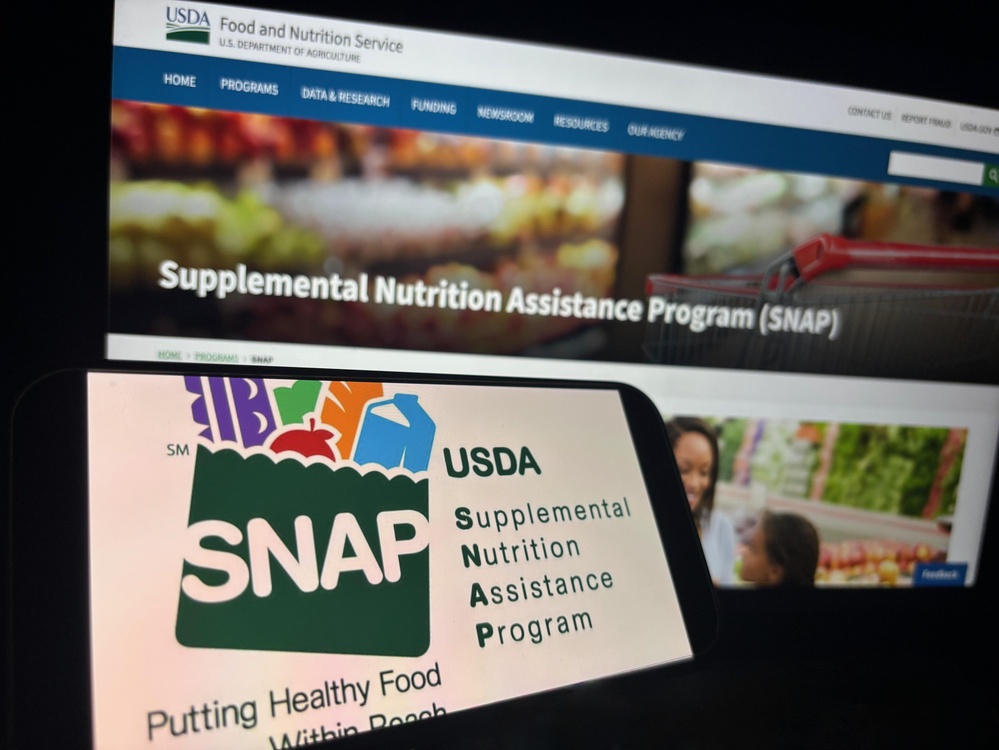
A bag of tomato seeds might not look like much at the checkout line, but it can grow into weeks of fresh meals. Many families who use SNAP benefits never realize that the program allows purchases of seeds and food-producing plants, creating an opportunity to stretch food dollars far beyond a single grocery trip.
That little-known benefit opens the door to homegrown lettuce, peppers, beans, herbs, and countless other edible plants. Even a sunny windowsill, a small patio, or a few containers on an apartment balcony can produce fresh ingredients that add flavor, nutrition, and variety to everyday meals while helping grocery budgets go further.
SNAP Covers More Than Grocery Staples
Many shoppers think SNAP only pays for food that someone can eat immediately or cook later. But the program reaches one step earlier in the process. SNAP benefits also cover seeds and plants that produce food for the household to eat. That means vegetable seedlings, herb plants, fruit-bearing plants, and packets of seeds often qualify when sold by authorized retailers. That simple rule gives families the chance to turn a modest purchase into an ongoing harvest over several weeks or even several months. A packet of bean seeds or a basil plant can continue producing long after many packaged grocery items disappear from the pantry.
The benefit surprises plenty of people because stores rarely advertise it in large letters. Garden centers inside grocery stores, home improvement stores that accept SNAP. And many farmers markets with eligible vendors may carry approved seeds or plants during the growing season. Decorative flowers, houseplants, and trees grown only for landscaping do not qualify, but plants that produce edible fruits, vegetables, or herbs generally do. That distinction helps families focus on practical purchases that support their food supply.
Small Gardens Can Deliver Big Rewards
Growing food does not require acres of land or expensive raised beds. Containers, buckets with drainage holes, window boxes, and small garden plots all offer enough space for many beginner-friendly crops. Herbs such as parsley, cilantro, and basil often flourish in pots, while tomatoes, peppers, lettuce, and green onions also adapt well to container gardening with enough sunlight and regular watering.
Fresh produce often tastes better just minutes after picking, and families gain the freedom to harvest only what they need for dinner. That reduces waste because vegetables stay in the garden until someone plans to use them instead of sitting forgotten in the refrigerator. Children also enjoy watching seeds sprout into edible plants, turning gardening into an activity that teaches patience, responsibility, and where food actually comes from.
Picking Crops That Give Plenty Back
Some vegetables reward beginners with generous harvests and relatively simple care. Leaf lettuce continues producing when gardeners harvest only the outer leaves, while bush beans often yield multiple rounds during the season. Zucchini, cucumbers, cherry tomatoes, and herbs also produce steadily when gardeners pick them regularly, giving households fresh ingredients for salads, soups, sandwiches, and side dishes.
Choosing crops that match local growing conditions makes the experience much smoother. Cool-season vegetables such as spinach and peas perform best during milder weather, while tomatoes and peppers appreciate warmer temperatures and plenty of sunshine. Reading the planting instructions on seed packets helps families avoid common mistakes and gives each crop its best chance to produce a healthy harvest throughout the season.
Stretching Every Dollar With Smart Garden Planning
A thoughtful plan helps every seed earn its place in the garden. Fast-growing crops such as radishes and leaf lettuce provide quick results, while herbs continue producing for weeks with regular trimming. Planting a few new seeds every couple of weeks instead of everything at once also creates a longer harvest instead of one overwhelming wave of vegetables.
Watering consistently, feeding plants when appropriate, and checking leaves for insects every few days prevent many common problems before they grow into bigger headaches. Compost made from suitable kitchen scraps can improve garden soil without adding much cost, and homemade mulch from shredded leaves or untreated grass clippings helps the soil hold moisture during hot weather. Small habits like these help protect the investment that began with a simple packet of seeds purchased through SNAP.
Fresh Food Starts With One Small Step
The ability to buy seeds with SNAP benefits gives families more than another shopping option. It offers a chance to grow fresh ingredients at home, learn practical gardening skills, and enjoy the satisfaction of harvesting food that started as a tiny seed. Every tomato, handful of herbs, or basket of beans represents another way to stretch grocery dollars while adding fresh flavors to the table.
Gardening also reminds people that meaningful changes often begin with surprisingly small actions. One container on a balcony, one herb pot on a kitchen windowsill, or one raised bed in a backyard can become the starting point for healthier meals and a little extra confidence in the kitchen. Sometimes the most valuable purchase in the grocery store costs only a few dollars and promises an entire season of fresh produce.
What fruits, vegetables, or herbs would be the first thing to grow if SNAP benefits could help start a garden? Give us your ideas and favorite beginner crops in the comments.
You May Also Like…
The Cheapest Plants That Keep Mosquitoes Away
Transform Your Side Yard into a Food Forest: Edible Perennials That Require Little Maintenance
Why More Americans Are Turning Empty Patios Into Food Gardens
Stop Paying Grocery Store Prices: The 1 Backyard Move That Cuts Your Food Costs
Growing with Graywater: Use Shower and Bath Water to Irrigate Ornamentals Safely
The post SNAP Benefits Can Buy Seeds—How Families Can Turn Food Assistance Into Fresh Produce appeared first on Frugal Gardening.