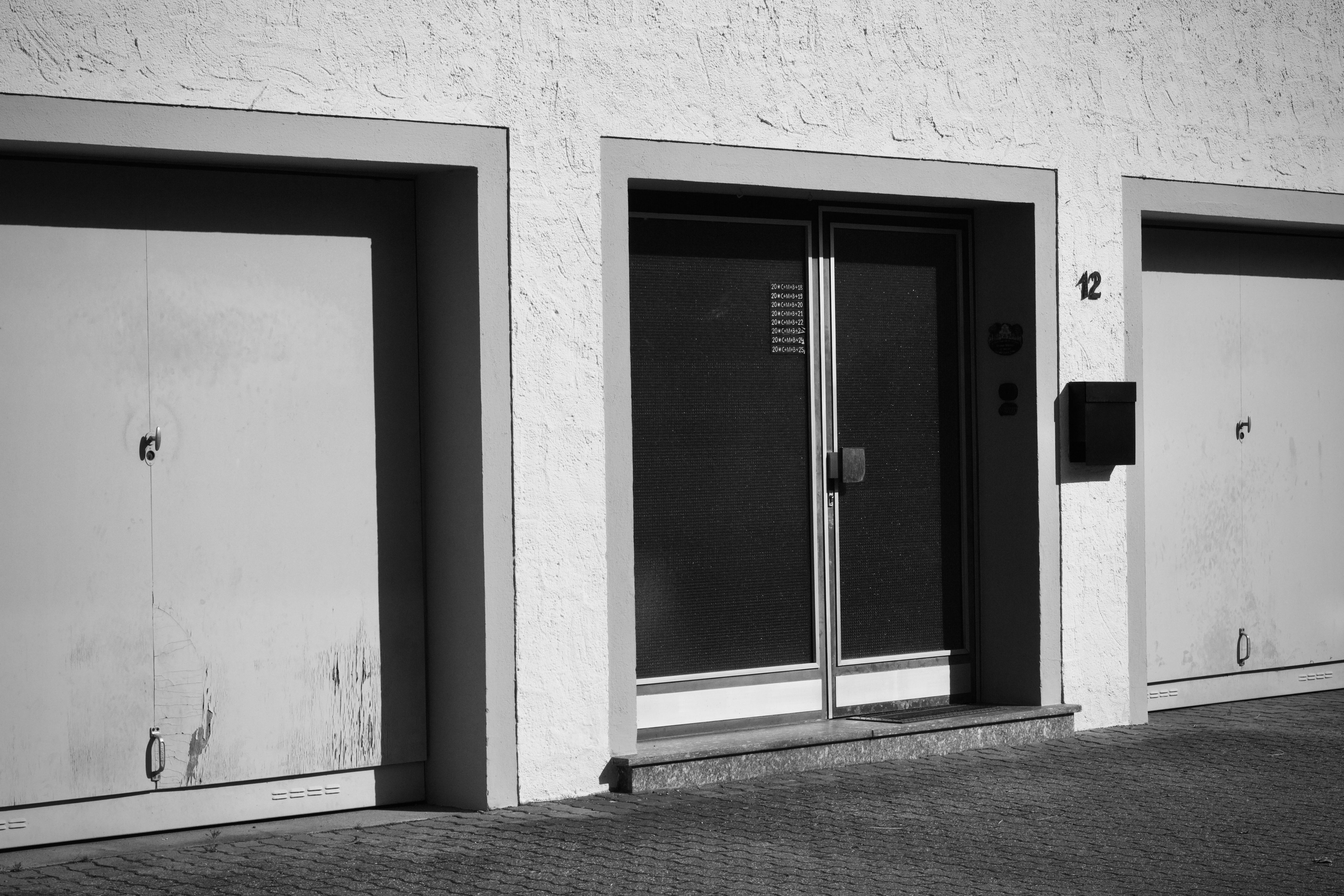
Your garage door does a lot more than open and close. It helps protect your car, frames the front of your home, and quietly puts up with heat, wind, rain, and the occasional basketball bounce. Because it works so hard, it usually drops hints before it gives up. If you’ve been hearing weird noises or noticing your door looks a little tired, those clues matter. Knowing what to watch for can help you avoid a bigger hassle later.
Why doors matter
If your garage door is the first thing people see from the street, it has a bigger job than you might think. It affects curb appeal, home value, and your everyday routine. A door that sticks, rattles, or looks beat up can make your whole place feel older than it is.
Sometimes a few repairs are enough. Other times, garage door replacement makes more sense because it improves safety, appearance, and day-to-day use all at once. That’s especially true if the door is older or has been patched up so many times it’s basically running on hope.
You also use this door a lot. For many families, it’s the real front door. When it stops working smoothly, you feel it fast. Nobody wants to be late for work because the garage decided to be dramatic before breakfast.
Visible wear clues
Some signs are easy to spot without any detective work. If your garage door has dents, cracks, rust, warped panels, or peeling paint, it may be telling you it’s nearing the end of the road. A few cosmetic marks are normal, but deeper damage can affect how the door opens and seals.
Look at the door when it’s closed. Does it sit evenly, or does one side seem lower? A sagging door is a red flag. It can mean the structure is weakening, and that usually doesn’t improve with age. It’s kind of like a wobbly chair. You can still sit on it for a while, but you probably shouldn’t trust it forever.
Weather damage matters too. Strong sun, storms, and moisture can wear out materials over time. If your door looks rough year after year, replacing it may be more practical than repainting or patching the same trouble spots again.
Noise and safety
Garage doors are not silent, but they also shouldn’t sound like they’re auditioning for a monster movie. Squeaking, grinding, banging, or scraping noises can point to worn parts, alignment issues, or strain on the system. If the door suddenly gets much louder, don’t shrug it off.
Watch how it moves. A healthy door should lift and lower in a fairly smooth way. If it jerks, shakes, pauses, or reverses for no clear reason, something is off. The opener may be struggling, or the door itself may be too worn out to move properly.
Safety is the bigger issue. A garage door is large, heavy, and not something you want acting unpredictable over your car, storage, or family. If the sensors don’t respond well or the door doesn’t close evenly, that’s a sign to act sooner rather than later. Annoying noises are one thing. Risky behavior is another.
Energy bill hints
An older garage door can quietly mess with your comfort at home. If your garage feels freezing in winter or way too hot in summer, your door may not be sealing well. That matters even more if the garage is attached to your house or sits under a bedroom.
Drafts around the edges are a common clue. You might notice dust blowing in, rain sneaking under the bottom, or outside air showing up uninvited like it pays rent. Poor insulation can also make nearby rooms harder to keep comfortable, which may push your heating and cooling system to work more.
That doesn’t mean every high energy bill is your garage door’s fault. Still, if the door is old, thin, or damaged, it can absolutely be part of the problem. A newer door with better insulation and a tighter seal can make the space more usable and help your home feel less leaky overall.
Repair or replace
This is the question most people wrestle with. If the problem is small and the door is fairly new, a repair may be the smart move. But if you’re calling for service every few months, the math starts to change. Little fixes can pile up fast.
Think about the age of the door, how often it breaks, and how it looks from the street. If it’s old, unreliable, and dragging down your home’s appearance, replacing it may save money and stress over time. There’s also the peace-of-mind factor, which is hard to put on a spreadsheet but easy to appreciate on a rainy morning.
A good rule of thumb is simple: if the repairs are frequent, expensive, or only solving the same issue again and again, replacement becomes easier to justify. You’re not just paying for a door. You’re paying for smoother mornings and fewer surprise problems.
Picking a new door
Choosing a new garage door doesn’t have to feel overwhelming. Start with the basics: material, style, insulation, and how much upkeep you want. Steel is popular because it’s durable and low maintenance. Wood looks warm and classic, but it usually needs more care. Composite options can offer a nice middle ground.
Style matters because the garage door takes up a lot of visual space. A simple modern design can freshen up the whole front of your home, while a carriage-style look adds charm. Try to match the door to the rest of the house so it feels intentional, not random.
Then think about daily life. If you use the garage often, an insulated door may be worth it. If you want less weekend maintenance, choose something easy to clean and less likely to warp or peel. The best pick is the one that fits your home, your budget, and your real routine. Fancy is nice, but practical usually wins the race.