What was your lightbulb moment?
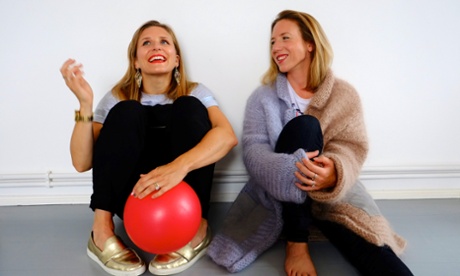
Pip Black: Joan and I met in Easter 2007 on a weekend away with friends. We both used to play top level sport through childhood and university. When we were working in London in the advertising industry, working long hours and partying a lot, we started to miss that feeling you get from working out.
Joan Murphy: We both loved our jobs – I came from New Zealand and embraced the London culture. Pip had played a lot of hockey and I played various sports. In New Zealand it’s a way of life – it’s common to run and have a glass of wine afterwards socially. We bonded over the fact that nobody really did this here.
What happened next?
Murphy: We hung out for about six weeks, and starting talking about an idea – to start Frame. A month after that Pip quit her job. I earned more so we were like husband and wife! We were mid-20s, no idea about property or anything. We went to the bank to ask for a loan – we got in at a good time, just before the recession. That’s how we funded it. We were so passionate about it so we thought: “We will just make it work.”
What makes Frame different from other fitness studios?
Murphy: We were the first fully pay-as-you-go studio. We developed the Frame card where you put a minimum of £50 on it and you can redeem money off classes.
Frame is about looking after yourself but not beating yourself up about it. One of our big things is being positive about exercise. We are not about being 100% healthy, we are about enjoying your life.
Black: One of the premises of Frame was to have everything under one roof. When we looked at gyms, they had this membership model that was bad for the consumer. The classes were really bad. We wanted to offer classes that people want to come to. And because we had a branding background we wanted to create a brand that was fashionable and relatable.
What’s wrong with UK gym culture?
Black: The only reason people went to the gym was to lose weight because they felt guilty for eating too much. The negative connotation with the gym was very obvious.
Murphy: It’s normal for the guys to run around and play football, but there wasn’t really an equivalent for women. We tried gyms and something that was very evident was that the standard of classes and gyms were hugely variable – you really didn’t have any control over it.
Why did you launch your first studio in Shoreditch?
Murphy: We fell in love with the building because we were in railway arches, and we knew the area well in terms of the demographics. We felt that was the perfect environment to create the brand that we wanted to grow. At the time we didn’t actually open on Sunday because people were still out from the night before.
Black: Shoreditch was a really interesting area. It was very creative but people there didn’t really do that much activity. That was key.
What’s been your biggest challenge?
Murphy: My son is nearly two and Pip’s is one so one of the hurdles we had to overcome was to change the way we worked. One of the hardest things was we both had four months off, so when I came back Pip was going off on maternity leave. I had to learn to look after the business on my own and was a new mum at the same time. But because we had a little bit of space on maternity leave, we had the chance to regroup and learn new skills.
How big is the Frame team now?
Black: Now we have a lot of people who work for us – 120 trainers and 15 staff. Looking after that many staff adds its own hurdles and complications.
What are your ambitions for the business?
Black: We are going to aim to grow by about two studios a year. But it’s really important we put them in the right places and in the right communities. We want to grow quickly and make Frame something that’s available to lots of people.
Murphy: We are looking at opportunities outside of London.
What are you most proud of?
Murphy: Staying true to the brand, being all about positivity. Helping people make good choices.
Black: Also we did a range for Whistles and we are doing another one for December. The biggest thing for that was convincing Whistles not to use models for the campaign. We did an Instagram campaign [to find our own models] and had 500 entries. That’s something we are really proud of. It sums up our beliefs and they look great.
Sign up to become a member of the Guardian Small Business Network here for more advice, insight and best practice direct to your inbox.